





An Off-Season Transformation
For years, Gokarna has existed with a dual identity: a revered pilgrimage town for devotees of Lord Shiva and a laid-back alternative to Goa for backpackers and beach lovers. During the peak season from October to March, its famous beaches—Kudle, Om,
and Paradise—are bustling with activity. But as the first monsoon showers arrive in June, a quiet transformation occurs. The tourist crowds thin out, many beach shacks close, and the town sheds its commercial skin. What’s left is a place of solitude and raw natural beauty, where the landscape is painted in vibrant shades of green and the sea turns powerful and grey. This quieter, more contemplative version of Gokarna is attracting a new kind of visitor: one who isn't looking for a party, but for peace.
The Unique Appeal of the Monsoon
While a beach holiday during a season of relentless rain might seem counterintuitive, the monsoon is precisely the point. The heavy rainfall, especially in July and August, breathes life into the Western Ghats that form Gokarna’s backdrop. Waterfalls cascade down cliffs, some directly onto the sand, and the air carries the fresh, earthy scent of wet soil. Temperatures are cooler, and the constant downpours are broken by periods of calm, perfect for reflective walks. For city dwellers from Bengaluru, Mumbai, and Hyderabad, it’s a sensory reset. The usual beach activities like swimming and sunbathing are off the table due to rough seas, which shifts the focus inward. Instead of seeking the sun, visitors embrace the dramatic skies, the sound of the rain, and the opportunity to slow down.
Yoga by a Wild Sea
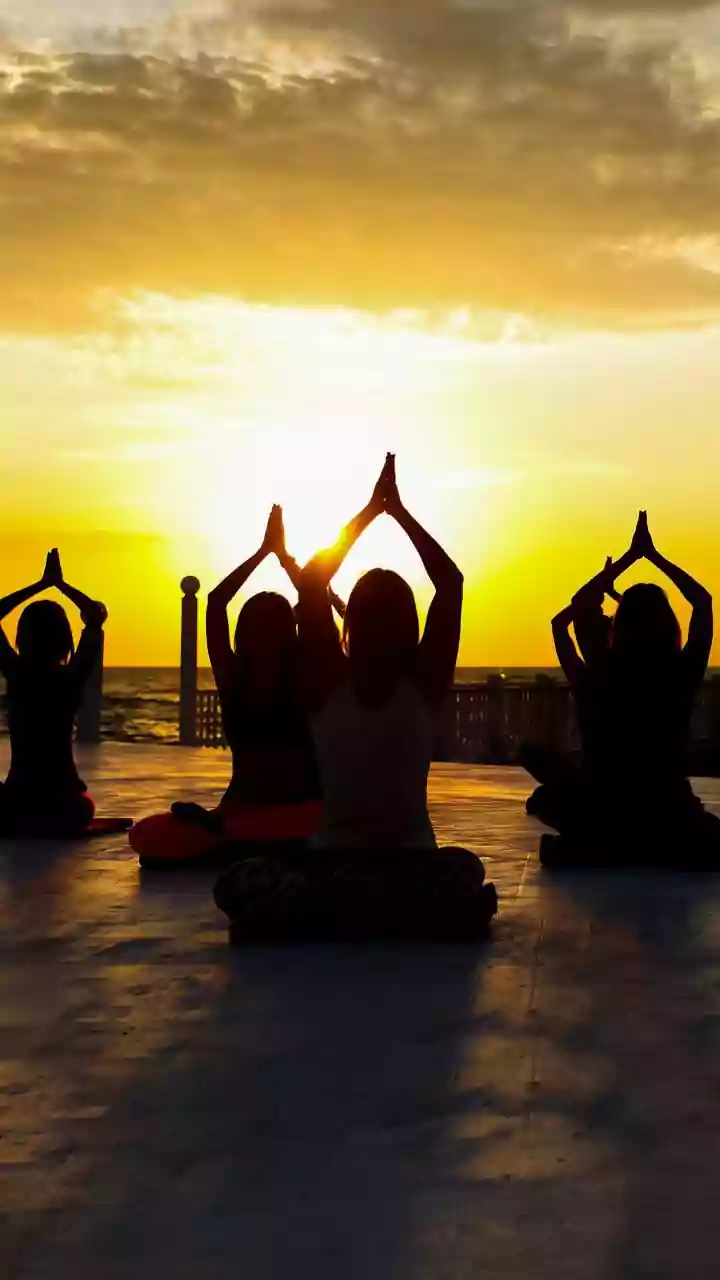
This serene, introspective atmosphere makes Gokarna an ideal setting for wellness practices like yoga and meditation. Doing yoga on a beach is a powerful experience, but doing it during the monsoon adds another layer of depth. The rhythmic sound of crashing waves provides a natural, meditative soundtrack, far more organic than any playlist. The air is rich with negative ions, which are believed to enhance mood and revitalise the body. Several wellness retreats and yoga shalas, like SwaSwara and Arthigamya Spa & Resort, remain open, offering sessions that look out onto the rain-swept sea. The challenge of maintaining balance on soft, damp sand also engages secondary muscles, making the physical practice more profound. It becomes less about achieving a perfect pose and more about connecting with the elemental forces of nature.
A Holistic Wellness Escape
The trend goes beyond just yoga asanas. Ayurvedic and wellness sciences have long held that the monsoon is the ideal season for healing and rejuvenation. The body is considered more receptive to treatments when the climate is humid and cool. Many visitors are embracing this, combining their yoga practice with Ayurvedic therapies, healthy local food, and digital detoxes. Gokarna's inherent spirituality, rooted in its ancient temples like the Mahabaleshwar Temple, provides a grounding backdrop that manufactured wellness retreats often lack. The experience becomes a holistic one: nourishing the body with yoga, calming the mind with meditation, and soothing the soul with nature and a touch of the divine.
An Accessible Retreat
What makes this monsoon escape so appealing is its accessibility. Gokarna is a manageable weekend trip from several major South Indian cities, well-connected by road and rail. During the off-season, accommodation prices can drop significantly, making even premium and boutique stays more affordable. This allows travellers to experience a high-quality wellness retreat without the peak-season price tag. The quieter streets, less crowded cafes, and the general slow pace of life offer a genuine break from urban chaos. It’s a chance to trade deadlines and traffic for misty ocean views and the simple, profound joy of watching the rain fall on the sea.