






The Power Beyond Calories
We often focus on macronutrients—carbohydrates, proteins, and fats—for energy and fullness. But our bodies also require micronutrients in small amounts to function correctly. These are the vitamins and minerals like iron, vitamin D, zinc, and B vitamins that
play a critical role in everything from immune function and energy production to bone health and brain development. Think of them as the support staff of your body; without them, the main systems can't perform optimally. A diet might provide enough calories to feel full, but if it lacks variety, it may not deliver the wide range of micronutrients needed for long-term health.
India's Common Nutrient Gaps
In India, several micronutrient deficiencies are widespread, even among those who are not underweight. Iron deficiency is a primary cause of anaemia, affecting a large percentage of women and children and leading to fatigue and poor concentration. Vitamin D deficiency is also highly prevalent, impacting bone health and immunity. Furthermore, deficiencies in Vitamin B12, often found among vegetarians, and zinc are significant concerns. These gaps often arise from diets that are heavy on cereals but low in dietary diversity, meaning they lack a sufficient variety of fruits, vegetables, lentils, and seeds.
Identifying Your Nutrient-Rich Staples
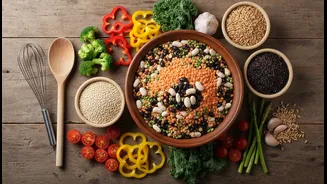
Closing these nutrient gaps doesn't require expensive or exotic 'superfoods'. The key lies in embracing the nutrient-dense foods readily available in Indian kitchens. Lentils and legumes (dals, chana, rajma) are fantastic sources of plant-based protein, iron, and folate. Leafy greens like spinach (palak) and fenugreek (methi) are packed with iron, folate, and vitamins. Millets such as ragi and bajra, once considered humble grains, are now celebrated for being rich in calcium, fibre, and essential minerals. Nuts, seeds, and seasonal fruits like amla provide healthy fats, vitamin C, and a host of antioxidants.
The Power of Making It a Routine
The secret to lasting change is consistency, not intensity. Eating a nutrient-dense meal once a week is good, but incorporating these foods into your daily or regular meals is what truly closes nutritional gaps. Dietary diversity—the practice of eating a wide variety of foods regularly—is a strong predictor of micronutrient adequacy. The goal is to make these healthy choices automatic. Instead of thinking of it as a diet, think of it as upgrading your staples. When nutrient-rich foods are part of your regular grocery list and daily cooking habits, you ensure a steady supply of essential vitamins and minerals without feeling deprived.
Simple Swaps for a Big Impact
Building a nutrient-rich diet is about making small, sustainable upgrades. Start by swapping refined white rice with brown rice or millets for a few meals a week to increase your fibre and mineral intake. Make it a rule to include at least one vegetable with lunch and dinner, focusing on colourful and leafy options. Instead of reaching for a packaged snack, have a handful of almonds or a piece of seasonal fruit. Adding lentils or beans to your meals not only boosts protein but also provides iron and folate. Another easy win is incorporating yogurt (dahi) into your daily routine for calcium and probiotics. These simple, consistent swaps collectively make a significant difference to your micronutrient intake over time.