






Understanding the Blood Sugar Rollercoaster
When you eat carbohydrates, especially refined ones like white bread, pasta, or sugary snacks, your body quickly breaks them down into glucose, which enters your bloodstream. This causes a rapid rise in blood sugar. Your pancreas then releases insulin
to help move this glucose into your cells for energy. However, a large, fast spike often leads to an overcorrection, causing a subsequent 'crash' that can leave you feeling tired, hungry, and craving more carbs. This cycle isn't just about daily energy levels; over time, frequent and dramatic blood sugar swings can contribute to more significant health concerns, including insulin resistance and type 2 diabetes. The goal is not to eliminate carbs, but to manage how your body processes them for a gentler, more sustained energy release.
The Fibre-First Strategy Explained
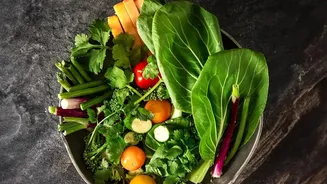
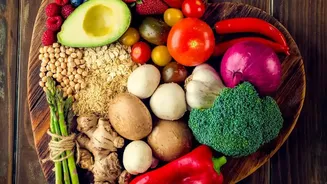
This is where the magic of meal sequencing comes in. By eating fibre-rich foods before you consume starchy or sugary carbohydrates, you can significantly flatten your glucose curve. The mechanism is elegantly simple. Soluble fibre, found in foods like vegetables, legumes, and oats, dissolves in water and forms a gel-like substance in your digestive tract. This viscous mesh acts like a physical barrier, slowing down the digestion and absorption of the carbohydrates that you eat afterwards. Instead of a flood of sugar hitting your bloodstream all at once, it's a slow, controlled trickle. This gives your body and your insulin response more time to manage the incoming energy, preventing the dramatic spike and crash.
Putting It on Your Plate
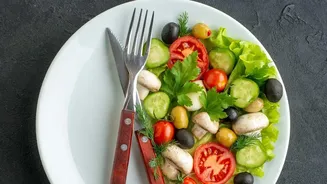
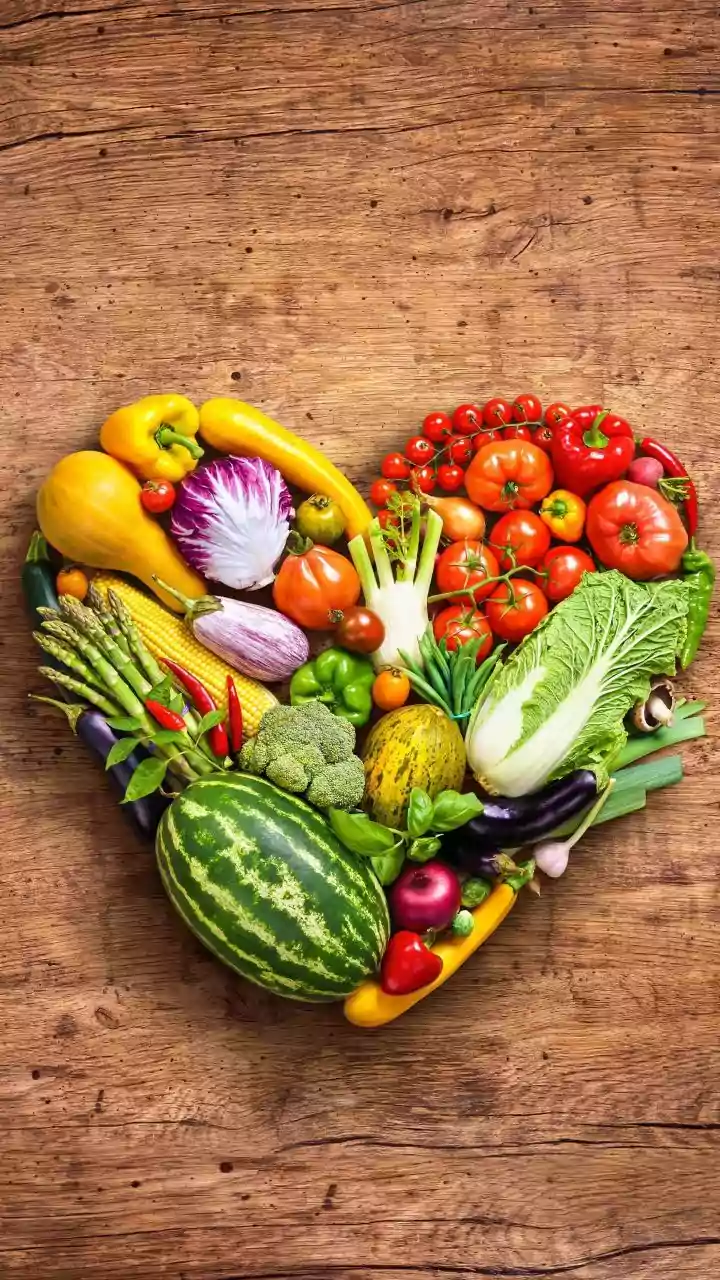
Implementing this strategy is straightforward and doesn't require you to give up your favourite foods. The ideal order for your meal is to start with vegetables, then move on to protein and fats, and save your carbohydrates for last. Think of it as a three-act play for your plate. Act One is your fibre-rich starter. This could be a simple green salad with a light vinaigrette, a bowl of vegetable soup, or a side of steamed non-starchy vegetables like broccoli, bell peppers, or cauliflower. This initial fibre intake prepares your digestive system. Act Two involves eating your protein (like chicken, fish, tofu, or dal) and healthy fats. These also contribute to satiety and slow digestion. Finally, in Act Three, you can enjoy your starchy carbohydrates, such as rice, potatoes, or bread.
Real-World Meal Examples
Let's see how this works with common Indian meals. If you're having a thali with rice, roti, dal, and a vegetable sabzi, start by eating the sabzi first. Follow that with your protein-packed dal. Finally, enjoy your roti and rice. The fibre from the vegetables and the protein from the dal will work together to buffer the impact of the carbohydrates. Similarly, if you're eating out at a restaurant and plan to have pasta, order a side salad or a vegetable appetiser and finish it before the main course arrives. Even a handful of raw carrots or cucumber sticks before your meal can make a noticeable difference. The key is consistency and ensuring the fibre component comes first.
More Than Just Blood Sugar
While balanced blood sugar is the primary benefit, the advantages of this eating order don't stop there. Starting your meal with fibre and protein increases feelings of fullness, or satiety. This is because these foods take longer to digest, keeping you feeling satisfied for longer and potentially reducing overall calorie intake, which can support weight management goals. Furthermore, dietary fibre is crucial for gut health. It acts as a prebiotic, feeding the beneficial bacteria in your colon which, in turn, produce compounds like short-chain fatty acids that reduce inflammation and support your overall well-being.