






The Rise of Open-Air Fitness
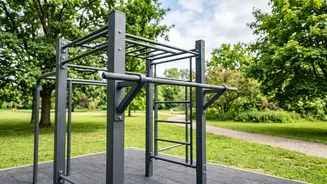
Across India, public parks are transforming into hubs of health and wellness with the installation of outdoor gym equipment. These free-to-use facilities offer an accessible way for people of all ages to incorporate exercise into their daily lives. The appeal
is obvious: you get the benefits of a workout combined with fresh air and sunshine, without the cost of a gym membership. From air walkers and leg presses to pull-up bars and seated twisters, this equipment is designed to provide a full-body workout. However, their public and exposed nature means they are subject to constant wear and tear from both weather and frequent use, making safety a shared responsibility.
Why a Pre-Workout Check Matters
Unlike indoor gyms where staff perform regular maintenance, outdoor equipment is often left to the elements. Rain can cause rust and stiffness, sun can degrade plastic and padded components, and constant use can lead to loose bolts and unstable frames. A patient once reported a sharp back pain after using a park machine that had become stiff and jammed due to a lack of servicing, forcing them to use excessive, injury-causing force. Malfunctioning equipment is a major factor in outdoor fitness injuries. A quick, two-minute inspection before you start can help you spot these hazards and prevent sprains, strains, or more serious injuries.
Your Visual Safety Scan
Before you even touch the equipment, take a moment to look it over. A simple visual inspection can reveal the most obvious dangers. First, check for any visible signs of damage like rust, cracks in the metal frame, or splintered parts. Look at the ground around the base; the equipment should be securely anchored without any wobbling or shifting. Pay attention to the surrounding area. Is the ground surface safe and free of trip hazards like rocks, tree roots, or cracks? Also, check for any missing components like bolts, pins, or handles. If a machine looks incomplete, it's not safe to use.
The Hands-On Stability Test
If a machine passes the visual scan, the next step is a physical check. Don't start your workout at full intensity. Instead, move the parts gently to see if they operate smoothly. Does the equipment move without grinding, squeaking, or getting stuck? Firmly grip the handles and push on the frame. Does anything feel loose, wobbly, or unstable? For machines with seats or pads, check that they are securely attached and free from major tears or cracks that could pinch or scrape you. If you feel any unexpected resistance or hear unusual noises, it's best to avoid that machine. Your body is the best judge; if something feels wrong, it probably is.
Common Equipment and Their Weak Points
Different machines have different potential issues. On an Air Walker or Cross-Trainer, check that the foot pedals move smoothly and that the handles are secure. For a Seated Chest Press or Leg Press, ensure the seat is stable and that the moving arms travel along their intended path without sticking. With a Seated Twister, make sure the rotating base moves freely but isn't too loose. On any equipment with moving joints, stiffness due to rust or dirt is a common problem. Also, many outdoor gyms have instructional labels, sometimes with QR codes that link to videos on proper use; check if these are present and readable.
Beyond the Equipment: General Safety Tips
Your safety isn't just about the machines. Always warm up before you begin and listen to your body throughout the workout. If you feel pain, stop. Be aware of your surroundings, especially in a busy park. Other people, children, or pets can wander into your workout space unexpectedly. Also consider the weather. Metal equipment can become dangerously hot in direct sunlight, and surfaces can be slippery after rain. If you notice a piece of equipment is broken or unsafe, don't just avoid it—report it to your local municipal authority or park management so it can be repaired.