
A New Generation of Farming Tech
Walking through the CODISSIA Trade Fair Complex, it's clear that the agricultural sector is undergoing a profound transformation. The Agri Intex 2026, running from July 9 to 13, is not just a showcase of bigger tractors and tillers; it's a vibrant hub
for the future of farming. With 496 companies participating from across India and abroad, including from Italy and the US, the expo highlights a sector rapidly embracing technology. The air hums not just with engine noise, but with discussions on precision farming, sensor-based irrigation, and sustainable cultivation. This annual event has become a crucial platform connecting innovators with farmers, entrepreneurs, and a new generation of talent looking for careers beyond the conventional.
Automation from Seeding to Harvest
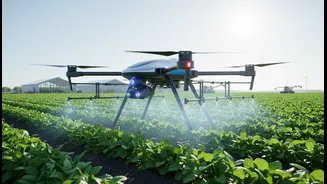
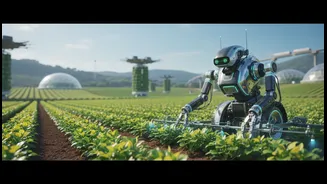
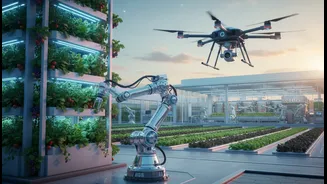
One of the most significant shifts on display is the rise of automation. Forget the image of labour-intensive manual work; today’s innovations are about precision and efficiency. A key highlight this year includes advanced drone sprayers that can cover vast areas with minimal human intervention, direct paddy-transplanting machines, and automated harvesters that streamline farm operations. Companies are showcasing multi-purpose robotic platforms like the FarmX 500, an electric vehicle capable of carrying loads, spraying crops, and removing stubble, demonstrating how a single machine can address multiple farming challenges. These technologies are not just about replacing labour but about making farming more precise, reducing waste, and increasing yields in the face of challenges like water scarcity and climate change.
More Than Just Horsepower
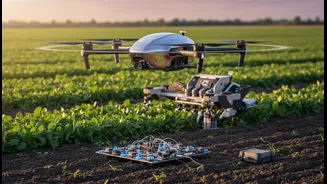
The machinery on display has also evolved far beyond brute strength. Modern tractors and farm equipment are becoming smarter, integrated with Internet of Things (IoT) sensors and data analytics. These advancements allow for what is known as 'precision farming'. Equipment can now collect data on soil health, moisture levels, and crop growth, allowing farmers to apply water and fertilisers with surgical accuracy. This not only boosts profitability but also promotes sustainability. The exhibition features live demonstrations of these machines, allowing farmers to see firsthand how technology can optimize everything from fuel consumption to resource management, making their operations more efficient and environmentally friendly.
The Rise of the Agri-Value Chain
Perhaps the most crucial, yet least visible, transformation is the growth of jobs along the entire agricultural value chain. The focus is no longer solely on cultivation. Agri Intex highlights innovations in post-harvest technology, food processing machinery, packaging, and cold storage solutions. This expanding ecosystem creates a host of new skilled roles that have little to do with being in a field. These jobs include supply chain managers, food technologists, quality control specialists, data analysts, and marketing experts who connect farm produce to national and global markets. Seminars held during the expo on topics like agri-tourism and vertical farming further underscore the diversification of career opportunities within the broader agricultural economy.
Cultivating a New Breed of Professional
This technological wave is redefining what it means to work in agriculture. The sector now demands a wide range of skills, from engineering and software development to business management and data science. Events like Agri Intex serve as a vital bridge, showing students and young professionals that agriculture offers dynamic, high-tech career paths. As one farmer from Salem noted, the expo is a source of immense knowledge for the younger generation interested in agriculture. The industry needs agri-tech startups, machinery innovators, and entrepreneurs who can build and manage the complex supply chains of tomorrow. This shift indicates that the future of Indian agriculture will be built not just on fertile land, but on the intellectual capital of its people.