





The Great Indian Squeeze
Across India’s bustling metropolitan hubs, the size of the average apartment is shrinking. In cities like Bengaluru, developers have trimmed carpet areas to keep homes affordable amidst rising land and construction costs. Data shows that average apartment sizes
in Bengaluru saw a noticeable 8% drop in 2025, a trend mirrored in other major cities like Pune and Chennai. This shift is driven by rapid urbanisation and the rising cost of property, forcing builders to create more compact units to meet the demand from price-sensitive homebuyers. While some markets show a desire for larger homes, affordability remains a major constraint, pushing many to accept smaller living spaces, especially in densely populated areas like the Mumbai Metropolitan Region (MMR). This new reality of compact living is forcing a fundamental change in homeowner priorities.
A Shift Towards 'Conscious Luxury'
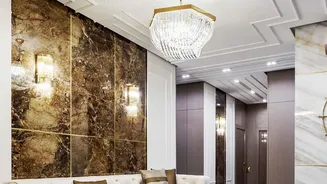
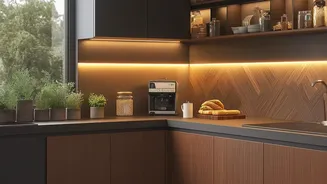
When every square foot counts, every object within it matters more. Homeowners are moving away from filling their homes with disposable items and are instead making deliberate, long-term investments in their interiors. This has given rise to a demand for 'conscious luxury'—a focus on authentic, high-quality, and durable materials. The market is seeing a definitive move towards natural wood tones like teak and walnut, tactile surfaces like lime plaster and microcement, and sustainably sourced options like FSC-certified woods and bamboo composites. Glossy, high-maintenance finishes are being replaced by matte and anti-fingerprint surfaces that are more practical for daily Indian life. The logic is simple: in a smaller space, there's nowhere for poor quality to hide. This trend signifies a mature design sensibility where the inherent quality of a material—its feel, its grain, its durability—becomes the luxury statement itself.
The Rise of the Transformer Home
Alongside better materials, the demand for intelligent, space-saving furniture is surging. The Indian home furniture market is projected to grow significantly, with a major driver being the need for compact and multifunctional designs. This is where 'smart furniture' comes in, serving multiple purposes within a single footprint. Think of sofa-cum-beds that transform a living room into a guest room, extendable dining tables that expand for festivities, and wall-mounted desks that fold away after work hours. The market for this type of furniture is growing rapidly in India, with the residential segment showing the fastest growth. This trend is not just about saving space; it's about making the space adaptable to the dynamic needs of modern Indian families, where a room might need to be a home office by day, a study area in the afternoon, and a relaxation zone by night.
Why Quality is the Smarter Investment
Investing in premium materials and multifunctional furniture is more than just an aesthetic choice; it's a practical and often sustainable one. High-quality materials like solid wood, natural stone, and well-made composites have a longer lifespan, reducing the cycle of replacement and waste. Similarly, a single piece of multifunctional furniture can eliminate the need for two or three separate items, curbing resource consumption. This approach aligns with a growing global trend towards sustainability and mindful consumption. For the homeowner, it means buying fewer things but buying better. This philosophy ensures that even the most compact home can feel premium, uncluttered, and highly functional, proving that good design isn't about how much space you have, but how thoughtfully you use it.