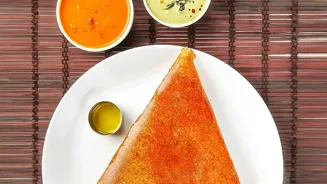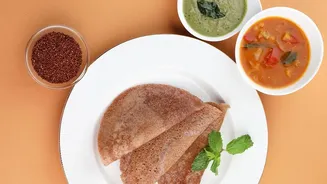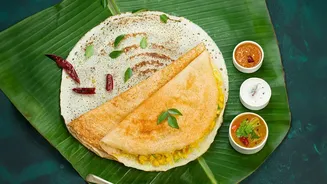



A Modern Take on a Beloved Classic
The dosa is a cornerstone of Indian cuisine, loved for its crisp texture and comforting flavour. But the traditional method, which involves soaking, grinding, and fermenting rice and lentils, requires planning and time. Enter the instant oats dosa. This
modern version gives you that delightful dosa experience without the wait. It's a fantastic option for busy weekday mornings, a light dinner, or whenever you crave something wholesome and satisfying. By swapping the traditional batter for one made with oats, you get a meal that is not only faster to prepare but also packed with added nutritional benefits, making a smart choice for health-conscious families.
Why Choose Oats?
Oats are celebrated as a nutritional powerhouse for good reason. They are incredibly rich in soluble fibre, particularly a type called beta-glucan, which is known to help manage cholesterol levels and keep you feeling full for longer. This makes oats dosa an excellent meal for weight management and sustained energy. Unlike white rice, oats have a lower glycemic index, which means they release sugar into the bloodstream more slowly, preventing those undesirable energy spikes and crashes. This makes it a particularly good option for those managing their blood sugar levels. By incorporating oats into a beloved dish like dosa, you can enjoy a traditional taste while giving your body a significant nutritional boost.
Your Simple Ingredient Checklist
The beauty of this recipe lies in its simplicity. You don't need to visit a specialty store; most of these ingredients are likely already in your kitchen. Here’s what you’ll need: Oats: Rolled oats or quick-cooking oats work perfectly. You'll grind these into a flour. Rice Flour: This is key for achieving that signature crispiness. Rava (Semolina/Suji): Another essential ingredient that adds to the crunchy, lacy texture. Curd (Yogurt) or Buttermilk: This adds a slight tang and helps create a smooth batter. Spices & Herbs: Cumin seeds, finely chopped green chillies, ginger, and fresh coriander leaves are all you need to bring the flavour. Onion: Finely chopped onions are optional but highly recommended for an extra layer of taste and texture.* Water and Salt: To bring the batter together and season it to perfection.
Crafting the Perfect Oats Dosa: A Step-by-Step Guide
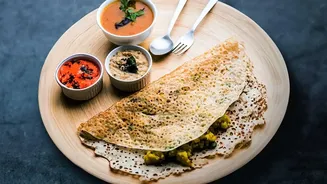
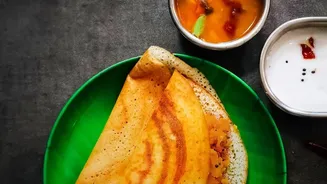
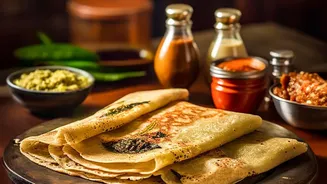
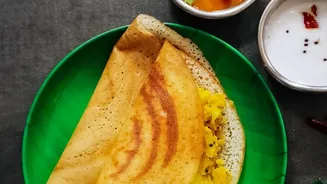
This recipe is similar in style to a rava dosa, where a thin batter creates a beautiful, net-like crepe.1. Prepare the Oats: Take about one cup of oats and pulse them in a blender or mixer grinder until they form a fine powder.2. Mix the Dry Ingredients: In a large bowl, combine the powdered oats, about a quarter cup each of rice flour and rava (suji), and salt to taste.3. Create the Batter: Add the curd, chopped green chillies, ginger, cumin seeds, and coriander leaves. Gradually pour in water while mixing continuously to avoid lumps. The goal is a thin, flowing batter, much runnier than a traditional dosa batter.4. Let It Rest: Cover the bowl and let the batter rest for about 15-20 minutes. This allows the rava and oats to absorb the water, which is crucial for the final texture. After resting, the batter will likely have thickened, so add more water until it's thin and pourable again.5. Cook the Dosa: Heat a non-stick or cast-iron tawa over medium-high heat. Once hot, pour a ladleful of the batter from the outside of the pan towards the centre to create a lacy pattern. Fill in any large gaps but don't try to spread it like a regular dosa. Drizzle a little oil or ghee around the edges. Cook for a few minutes until the bottom turns golden brown and crisp. An oats dosa typically cooks on one side, so there's no need to flip it. Gently fold it over and serve immediately.
Tips for a Flawless, Crispy Finish
Getting that perfect crispy texture is easy with a few simple tricks. First, ensure your tawa is properly hot before you pour the batter; a lukewarm pan will result in a soft, limp dosa. Second, the batter's consistency is non-negotiable—it must be thin and watery. Remember to stir the batter well before making each dosa, as the heavier flours tend to settle at the bottom. Don't be in a hurry to remove the dosa from the pan; let it cook until the edges start to lift on their own and the surface looks cooked through. For the best experience, serve these dosas hot off the stove with your favourite coconut chutney, tomato chutney, or sambar. Their crispness is best enjoyed immediately.