


Gambhir's Honest Admission
Following a clean sweep against Afghanistan, Head Coach Gautam Gambhir didn't mince words, acknowledging the persistent injury issues are a significant problem. In a post-match press conference, he stated it's particularly concerning for Test and ODI
cricket, especially with the 50-over World Cup on the horizon. Gambhir highlighted the impact on the team's stability, noting it's unfair to a young captain like Shubman Gill, who is frequently unable to field his best and most consistent playing XI. This candid admission has shifted the focus from on-field victories to the critical off-field challenge of keeping players fit and available for selection.
A Roster on the Mend
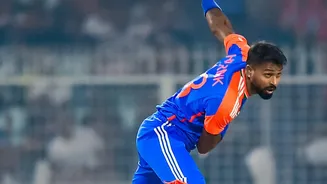
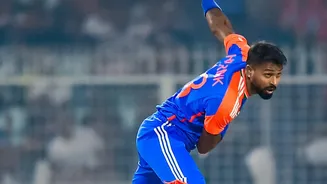
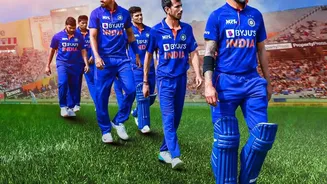
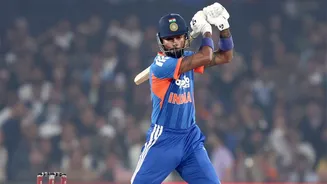
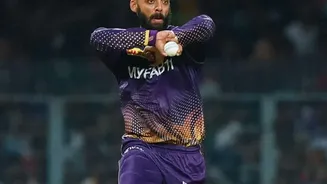
The list of players sidelined or recently returned from injury is worryingly long. Varun Chakaravarthy's case is a prime example; after returning from a hamstring injury, he suffered a side strain in the first T20I against Afghanistan and was subsequently ruled out of the Asian Games. He joins a list that has recently included key players across formats. Pace spearhead Jasprit Bumrah and all-rounder Hardik Pandya have had notable stints on the sidelines, while Harshit Rana and Sai Sudharsan have also faced injury setbacks. Others like Washington Sundar have only just returned to the fold, creating a constant state of flux within the squad.
The Gruelling Calendar
One of the most cited reasons for the frequent breakdowns is the relentless international and domestic calendar. Players navigate a packed schedule of bilateral series, ICC tournaments, and the high-intensity Indian Premier League (IPL). The remainder of 2026 offers no respite. Following the current Asian Games, India is scheduled to host West Indies for ODIs and T20Is starting late September. This is followed by a demanding all-format tour of New Zealand and another home series against Sri Lanka to close out the year. With the prestigious Border-Gavaskar Trophy against Australia looming in early 2027, the workload on the players, especially multi-format stars, is immense and a primary contributor to physical stress and burnout.
Scrutiny on the Centre of Excellence
As injuries mount, the role of the BCCI's Centre of Excellence (CoE), formerly the National Cricket Academy (NCA), in Bengaluru is coming under intense scrutiny. The CoE is the primary facility for player rehabilitation and injury management. However, a pattern of players breaking down shortly after being cleared has raised questions about its processes. Varun Chakaravarthy, for instance, had just returned from rehabilitation at the CoE before suffering a fresh injury. This has led to concerns about whether players are being rushed back too soon or if the rehabilitation protocols are effective, putting the onus on the institution to ensure players are not just match-fit, but resilient enough for the rigours of modern cricket.
The Path Forward
Addressing this issue requires a multi-pronged approach. Gambhir's public comments suggest a new level of urgency from the team management. Experts believe the solution lies in a delicate balance of workload management, cricket-specific conditioning, and more robust rehabilitation strategies. This involves smarter rotation of players, especially fast bowlers who are more susceptible to overuse injuries, and better synergy between the national team, the CoE, and IPL franchises to monitor player fitness year-round. While Gambhir acknowledged that having key players miss a series like the upcoming ODIs against the West Indies for the Asian Games is not ideal for World Cup preparations, he also noted it provides an opportunity for younger talent to step up. The challenge for the board and team management will be to implement systemic changes that prioritise long-term player longevity over short-term availability.