




An Engine of the Rural Economy
India's achievement as the largest milk producer is a cornerstone of its rural economy, with production reaching around 248 million tonnes in the 2024-25 fiscal year. This industry is not just about numbers; it represents the livelihood of more than 80
million farming families, many of whom are small and marginal landholders. The dairy sector contributes about 5% to the national GDP, making it a critical driver of both nutritional security and economic stability. For millions, livestock is a primary source of daily income, providing a crucial buffer against crop failures and other economic shocks.
What is Heat Stress?
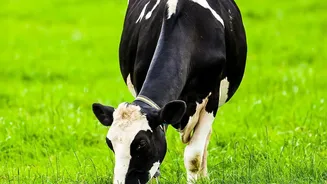
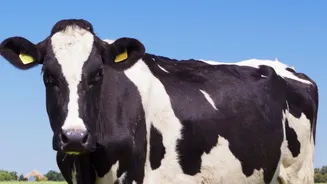
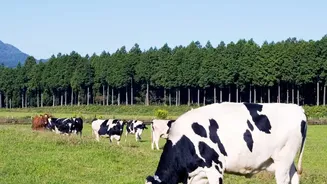
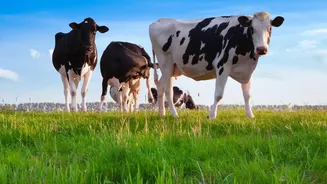
Heat stress occurs when an animal's body absorbs more heat than it can comfortably dissipate. This happens due to a combination of high temperature and high humidity, a common condition during Indian summers. Dairy cattle, particularly high-yielding crossbred varieties, are highly susceptible because their high metabolism already generates significant internal body heat. Buffaloes are also vulnerable due to their black skin, which absorbs more solar radiation, and having fewer sweat glands compared to cattle. Once the Temperature-Humidity Index (THI) surpasses a certain threshold, animals begin to experience physiological strain.
The Cascade of Negative Effects
The impact of heat stress on a dairy animal is multi-faceted. To cope with the heat, a cow will reduce its feed intake, as digestion generates more internal heat. This directly lowers the energy and nutrients available for milk production, causing yields to drop by as much as 10-30% during extreme heat. The stress also disrupts hormonal balances, leading to reduced fertility, lower conception rates, and even miscarriages. Furthermore, the quality of milk suffers, with a noticeable drop in fat and protein content, which in turn reduces the price a farmer receives. Animals also become more susceptible to other diseases when their systems are under strain.
The Staggering Economic Cost
The cumulative effect of these physiological impacts translates into significant economic losses. Studies have estimated that the annual loss in milk production in India due to heat stress can be hundreds of thousands of tonnes. In financial terms, this amounts to well over ₹1,200 crore annually. This figure only accounts for the lost milk. It does not include the added costs farmers bear for veterinary services, the reduced reproductive success of their herd, or the investments they must make in cooling systems to mitigate the worst effects of the heat.
Searching for Cooler Solutions
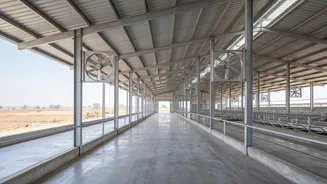
Addressing this challenge requires a combination of smart management and technological intervention. Simple, low-cost solutions include providing adequate shade, with at least 2 to 4 square metres per animal, and ensuring constant access to clean, cool water. More advanced methods involve installing fans and water sprinklers to create an evaporative cooling effect. Nutritional strategies are also key, such as altering feeding times to cooler parts of the day and using specialized feeds that are easier to digest. Organizations like the National Dairy Development Board (NDDB) have also developed supplements designed to help animals cope with heat stress. In the long term, promoting indigenous cattle breeds like Gir and Sahiwal, which are naturally more heat-tolerant, is another crucial strategy.