





The Wild Berry at the Center of the Buzz
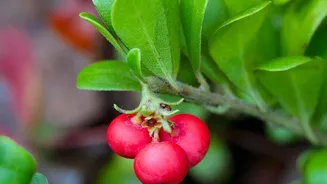
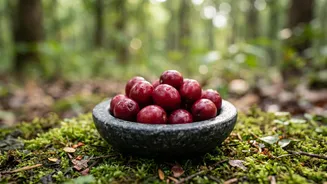
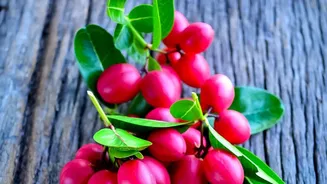
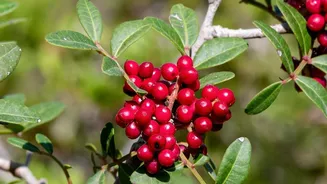
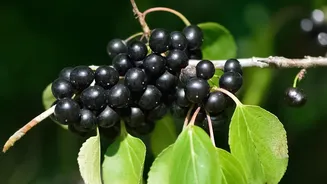
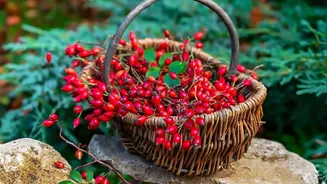
Deep in the arid, rugged landscapes of the Karauli-Dholpur region in Rajasthan lies the Dang forest, home to a thorny shrub known locally as 'jhad beri'. This plant, scientifically named Ziziphus nummularia, produces a small, reddish-brown fruit that
has been a part of the local diet and traditional practices for generations. Often compared to the jujube or Chinese date, this wild berry is consumed fresh by locals and is known for its tart, slightly sweet flavour. For centuries, various parts of the Ziziphus nummularia plant have been used in folk medicine to address a range of ailments, from skin conditions to digestive issues. This long-standing cultural association has recently spilled over onto social media and word-of-mouth networks, where the humble berry is being touted not just as a healthy fruit, but as a potent cure for serious diseases.
From Superfood to 'Miracle Cure'
The claims circulating online and in local communities are wide-ranging. Proponents suggest that regular consumption of the Karauli wild beri can manage, and even reverse, chronic conditions like diabetes, joint pain, and cardiovascular issues. These assertions often position the berry as a natural, side-effect-free alternative to conventional medicine. The narrative is compelling: a wild-harvested, 'pure' product from the forest that holds the secret to health, away from pharmaceutical interventions. This has led to a surge in demand, with people from outside the region seeking out this fruit in the hopes of finding a simple solution to complex health problems. However, this enthusiasm is largely based on anecdotal evidence and personal testimonies rather than rigorous scientific validation.
What Science Says: A Nutritious Fruit, Not a Panacea
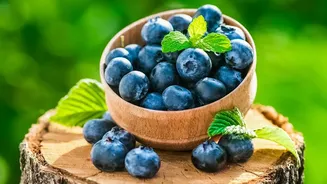
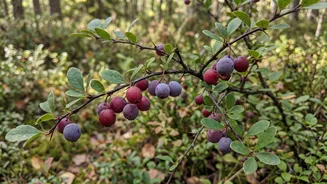
Scientifically, the Karauli wild beri, like its relative the jujube, does possess a noteworthy nutritional profile. It is exceptionally rich in Vitamin C, a powerful antioxidant that supports the immune system. The fruit also provides dietary fibre, potassium, and various bioactive compounds like flavonoids and saponins. Research, mostly in preclinical or animal studies, has explored the potential of Ziziphus nummularia extracts, noting possible anti-inflammatory, antioxidant, and even antidiabetic properties. These studies indicate that compounds within the plant can influence biological pathways related to inflammation and blood sugar regulation. However, this is where a critical distinction must be made. The presence of beneficial compounds and positive results in laboratory settings do not translate to the fruit being a 'cure' for diseases in humans. Many fruits and vegetables contain similar health-promoting properties. For example, wild blueberries are also celebrated for their high antioxidant content and potential benefits for heart and brain health, but are recommended as part of a balanced diet, not as a standalone treatment.
Why the Word 'Cure' Is Dangerous
The distinction between a nutritious food and a medical cure is not just semantics; it's a matter of public health. A 'cure' is a substance or procedure that has been rigorously tested through multiple phases of clinical trials to prove it can reliably end a disease or medical condition. These trials establish safe dosages, identify side effects, and confirm effectiveness across diverse populations. The claims about the Karauli wild beri lack this level of scientific evidence. Relying on an unproven remedy can be dangerous for several reasons. It might lead individuals to abandon or delay conventional medical treatments that are proven to be effective, which can cause their condition to worsen. Furthermore, natural does not always mean safe. Herbal remedies can have potent biological effects and may interact with prescription medications, leading to harmful side effects. Health authorities consistently warn consumers against purchasing products from dubious sources that make exaggerated claims of 'guaranteed results'.
Appreciate Tradition, Rely on Evidence
The Karauli wild beri is a valuable part of its region's biodiversity and cultural heritage. Its traditional use points to a long history of human observation, and its nutritional content makes it a healthy fruit. It can certainly be enjoyed as part of a varied and balanced diet. The problem arises when its benefits are exaggerated to the point of presenting it as a miracle cure. It is essential to appreciate traditional knowledge while also respecting the rigorous process of scientific validation that ensures medicines are both safe and effective. The principle for any treatment, whether traditional or modern, is that its expected benefits must outweigh its potential risks. Without proven efficacy and safety, no substance should be considered a substitute for proper medical care.