


The Secret Art of Blooming Kesar
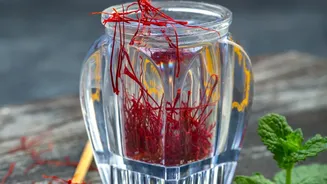
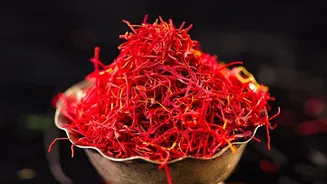
The single most important step to unlocking saffron’s potential is to 'bloom' it. Simply tossing dry threads into your kheer or phirni is a common mistake that yields weak colour and flavour. Blooming means rehydrating the threads to release their flavour compounds:
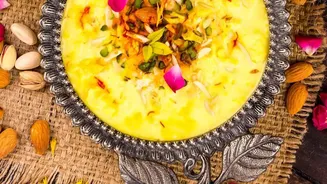
crocin (colour), picrocrocin (taste), and safranal (aroma). To do this, lightly crush a pinch of saffron threads between your fingers or with a mortar and pestle. Steep these crushed threads in a few tablespoons of warm—not boiling—liquid for at least 15-20 minutes. For desserts, warm milk is the perfect medium, as it seamlessly integrates into milk-based sweets like rabri, basundi, and kulfi. The liquid will turn a vibrant golden-orange, and this entire infusion, threads and all, should be added to your dish.
More Is Not Better: The Right Quantity
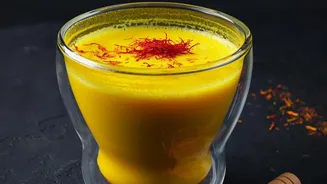
With a spice as potent and expensive as saffron, restraint is key. The temptation to add more for a deeper colour can backfire, resulting in a bitter, medicinal taste that overpowers the dessert. As a general rule, a generous pinch of about 15-20 threads is sufficient for a dish that serves four people. For a single glass of kesar doodh, 8-10 threads will do the job perfectly. The goal is a delicate, floral, and earthy flavour that complements the other ingredients, not one that dominates them. Always start with a small amount; you can add more if needed, but you can't take it away.
Identifying Quality: Real vs. Fake Saffron
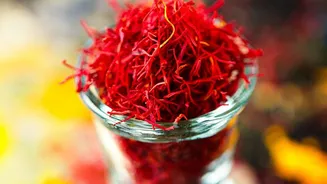
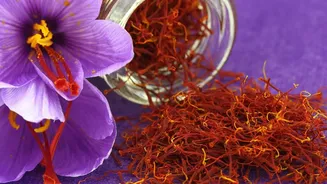
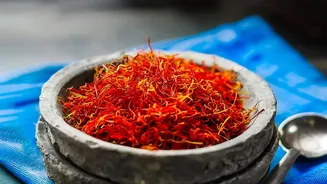
Disappointing results can sometimes stem from using low-quality or even fake saffron. Adulteration is common, with imitations made from dyed corn silk, safflower, or other plant fibres. You can perform a simple test at home. Place a few threads in a glass of cool or warm water. Real saffron will release its golden-yellow colour slowly and elegantly over 10 to 15 minutes, and the threads themselves will remain red. Fake saffron often bleeds a bright red or orange dye almost instantly, and the threads may lose their colour or disintegrate. Furthermore, authentic saffron has a distinct aroma of honey and hay, while its taste is slightly bitter, not sweet. Always opt for whole threads over pre-ground powder, which is more easily adulterated and loses its aroma faster.
Timing and Pairing for Perfect Harmony
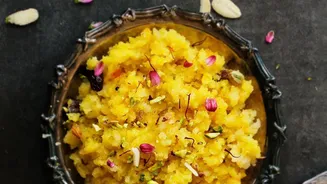
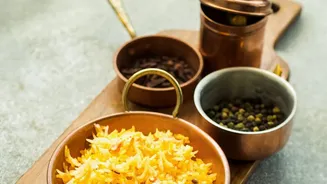
When you add the saffron matters. To preserve its delicate aromatic compounds, which are sensitive to heat, it's best to add the bloomed saffron towards the end of the cooking process. For desserts like kheer, stir in the saffron-infused milk after the rice is cooked and just before you take it off the heat. In biryani, it is famously drizzled over the rice during the final 'dum' stage to create beautiful streaks of colour and infuse the steam with its aroma. Saffron pairs beautifully with cardamom, almonds, pistachios, and rose water, all staples in Indian sweets. However, be mindful that strong flavours can overwhelm it. Use rose water with a light hand, as too much can make a dessert taste perfumed rather than fragrant.
Common Mistakes to Avoid
To ensure your saffron shines, steer clear of these common pitfalls. First, never use boiling liquid to bloom the threads; high heat can destroy the delicate flavour and aroma compounds. Warm liquid is all you need. Second, don't add the threads dry, as this leads to uneven colour and muted flavour. Third, avoid frying saffron directly in hot oil or ghee, which will burn it instantly. Finally, proper storage is crucial. Keep your saffron in an airtight container in a cool, dark, and dry place, away from the stove or any source of heat and light, to preserve its potency for as long as possible.