




Embrace the Zest for Aroma
The secret to a dessert that screams 'lemon' from the first bite is not the juice, but the zest. The yellow outer peel of the lemon is packed with aromatic oils that provide a powerful, fragrant citrus character. Juice provides the sourness, but zest delivers
the complex lemon aroma. For maximum impact, don't just add zest to your batter; rub it directly into the sugar with your fingertips. This simple step releases the essential oils, infusing the sugar and ensuring that a deep, aromatic lemon flavour is carried throughout your cake, cookies, or muffins. When zesting, be careful to only grate the yellow part. The white layer underneath, known as the pith, is bitter and can impart an unpleasant taste to your dessert.
Use Juice for the Tang
While zest provides the floral aroma, fresh lemon juice delivers the signature tartness and acidity that makes lemon desserts so refreshing. This acidity is crucial for cutting through the sweetness and richness of ingredients like butter and sugar, creating a balanced final product. For the brightest, cleanest flavour, always use freshly squeezed lemon juice. Bottled juices often contain preservatives that can lend a muted or even chemical taste to your baked goods. In recipes where the liquid ratio is critical, like certain cakes, adding too much juice can disrupt the texture. However, for glazes, soaks, and fillings, fresh juice is indispensable for achieving that perfect pucker. A simple lemon syrup made from juice and sugar, poured over a warm cake, is a fantastic way to add both moisture and a layer of intense tartness.
The Art of the Balancing Act
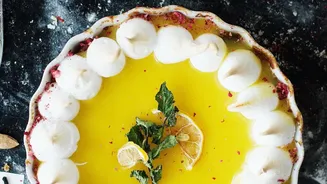
The hallmark of an exceptional lemon dessert is the perfect harmony between sweet and sour. Too much sugar, and the lemon's brightness is lost; too much lemon, and the dessert can be overwhelmingly harsh. The key is to see them as partners. Fat and sugar, found in ingredients like butter, cream, and sugar, are needed to soften the sharp edges of the lemon's acidity. When creating a recipe, taste as you go, especially for fillings and frostings. Don't be afraid to adjust. If your lemon curd or frosting feels a little too sharp, a bit more sugar can temper it. If it tastes flat, a little more juice or zest can wake it up. This balance is what makes desserts like lemon meringue pie or a classic lemon slice so timeless.
Perfecting Your Lemon Curd
Lemon curd is a cornerstone of many citrus desserts, but it can be finicky. Common issues include a metallic taste or a curd that won't set. To avoid a metallic flavour, do not use metal bowls or pans; the acidity from the lemon can react with the metal. Instead, use a heatproof glass or porcelain bowl set over a pot of simmering water—a makeshift double boiler—and whisk with a silicone whisk. This gentle, indirect heat also helps prevent the eggs from scrambling, which can lead to a grainy texture. If your curd isn't thickening, it often just needs more time on the stove or the heat is too low. Constant whisking over gentle heat for about 10 minutes is key to properly cooking the egg yolks, which are the primary thickening agent. Once thickened, straining the curd will ensure a silky-smooth finish by removing any zest or small bits of cooked egg.
Beyond the Lemon: Other Citrus Companions
While lemon is the star, other citrus fruits can play wonderful supporting roles. Limes, with their own distinct tang, are a natural partner for lemon, creating a vibrant, sharp flavour profile perfect for tarts and bars. Oranges can lend a sweeter, milder citrus note that rounds out the lemon's sharpness. For a more complex flavour, you can combine the zests of lemons, limes, and oranges. Beyond citrus, lemon pairs beautifully with a wide range of flavours. Berries like blueberry and raspberry offer a sweet and fruity contrast that is classic in muffins, cakes, and cheesecakes. For a more tropical twist, coconut's creamy sweetness is an excellent counterpoint to lemon's tartness. Don't hesitate to experiment with these combinations to find your new favourite dessert.