





The Promise of an Affordable Plate
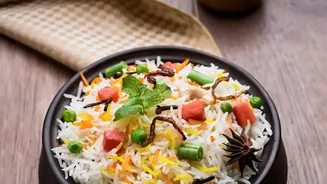
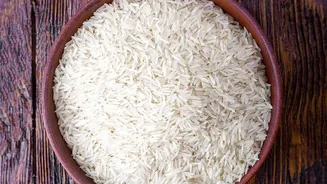
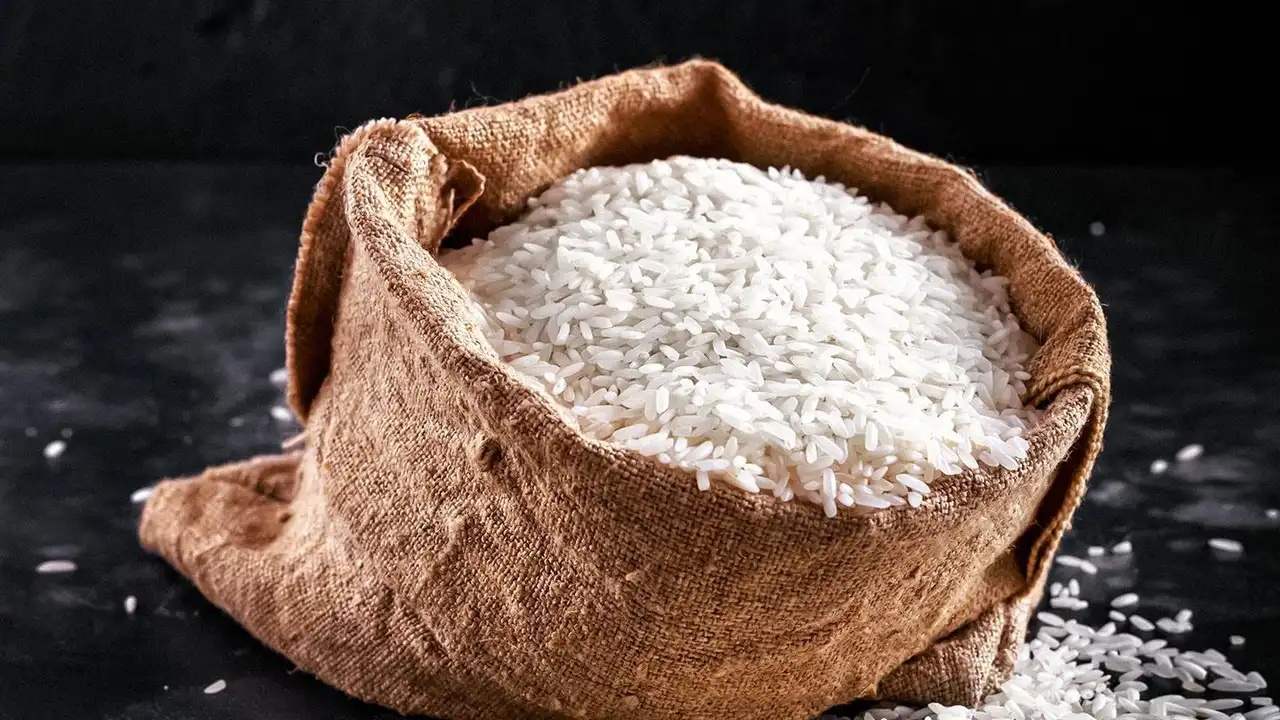
In a bid to control rising food prices, the central government launched the 'Bharat' brand, a series of essential kitchen staples sold at subsidised rates. This includes Bharat Dal (chana dal) at around ₹60 per kg, Bharat Atta at ₹27.50 per kg, and Bharat Rice
at ₹29 per kg. These prices are significantly lower than open market rates, offering much-needed relief to households struggling with inflation. The initiative is designed to make staples more accessible to everyone, not just those covered by the Public Distribution System (PDS). The items are sold through government-backed cooperatives like NAFED, NCCF, and Kendriya Bhandar, using a network of retail stores and mobile vans. On paper, it’s a straightforward and powerful intervention to ensure no one is left behind.
The Practicality of the Pack
While the low price point is the scheme's main attraction, the designated pack sizes present the first practical hurdle. Both Bharat Atta and Bharat Rice are primarily sold in 5 kg and 10 kg bags. For many middle-class families, these sizes are convenient. However, for a significant portion of the population, especially daily wage earners and those with precarious incomes, buying in bulk is a luxury. A 10 kg bag of atta, even at a subsidised rate, represents a substantial one-time expense. Many households are accustomed to buying smaller, more manageable quantities like 1 kg or 2 kg, which allows them to manage tight cash flows. The absence of smaller, more affordable SKUs can unintentionally exclude the very people who need the subsidy most. While some vendors may offer 1 kg packs of different 'Bharat' branded atta, the government-pushed subsidised scheme focuses on the larger 5 kg and 10 kg bags.
The Last-Mile Availability Hurdle
Beyond pack size, the bigger challenge has been consistent availability. Reports from various regions since the scheme's launch have highlighted significant gaps in the distribution chain. Consumers have expressed frustration over not knowing where to find the products, with mobile vans having unpredictable schedules and designated stores quickly running out of stock. In cities like Bengaluru and Mysuru, residents have reported that the much-advertised 'Bharat Rice' was nowhere to be found, leading to confusion and disappointment. The scheme's reliance on a limited number of cooperative agencies for distribution, without leveraging the vast network of local kirana stores, creates a bottleneck. If a consumer has to travel a long distance or make multiple attempts to find a product, the savings from the subsidy are quickly eroded by lost time and transport costs.
Policy Meets Reality
The 'Bharat' brand initiative is a well-intentioned policy designed to combat inflation's impact on household budgets. However, its effectiveness is a case study in how policy execution must be deeply user-centric. The issues of inconvenient pack sizes and unreliable availability are not minor flaws; they are fundamental barriers that determine whether the scheme succeeds or fails for millions. The government has acknowledged supply challenges, with the scheme even being temporarily suspended in mid-2024 due to stock issues before being approved for a return. A recent update for the 2026-27 period adjusted the prices and pack sizes, with Bharat Rice now planned at ₹35/kg for 5/10 kg packs and ₹33/kg for 30 kg packs, and Bharat Atta at ₹32/kg. This shows an evolving policy, but the core challenges of distribution and meeting diverse consumer needs remain.