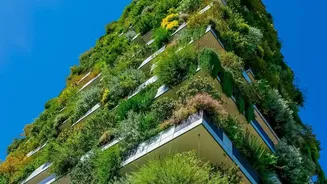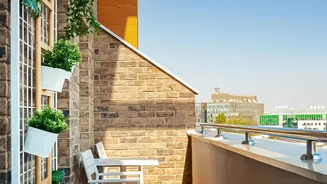




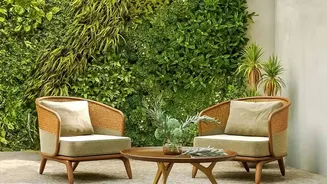
Living in a city often means sacrificing garden space, but what if you could grow up instead of out? Vertical garden walls are a beautiful and practical solution for bringing lush greenery into the tightest of urban homes.
What is a Vertical Garden?
A vertical garden, also known
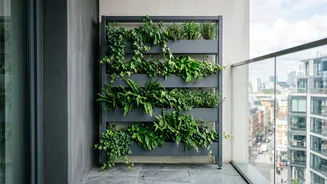
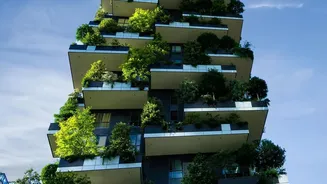
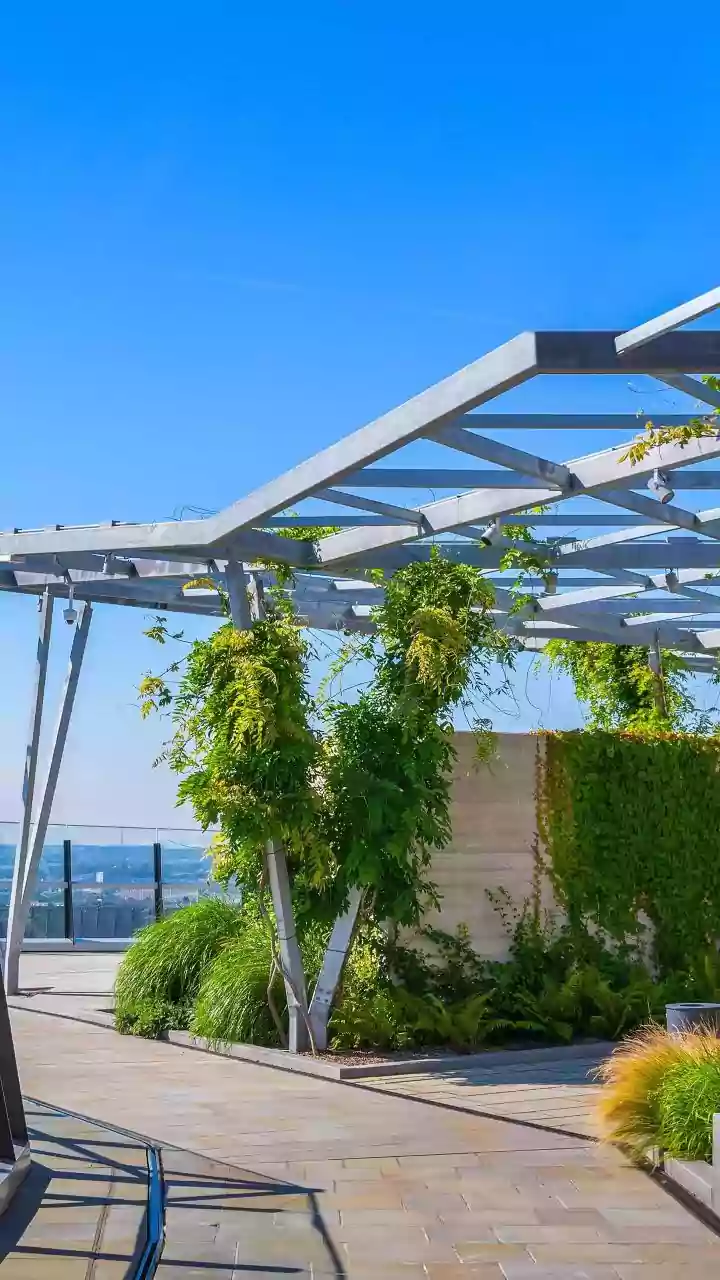
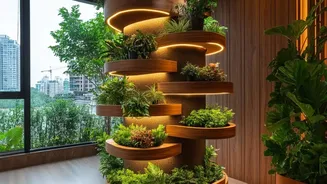
as a living wall, is a method of growing plants on a vertically suspended panel or structure. Instead of spreading pots across a balcony floor, you use wall space to create a thriving garden. These systems can be as simple as a few stacked planters or as elaborate as an entire wall covered in vegetation, complete with an integrated irrigation system. This innovative approach is perfect for apartments, small balconies, and even indoor spaces, allowing you to grow herbs, flowers, and vegetables where traditional gardening is impossible.
The Key Benefits of Going Vertical
The most obvious advantage is space efficiency; vertical gardens let you cultivate a significant number of plants in a small footprint. But the benefits don't stop there. A living wall acts as a natural air purifier, filtering pollutants and improving indoor air quality. They can also help regulate temperature by providing insulation, which can reduce energy costs for heating and cooling. Furthermore, green walls can absorb sound, reducing ambient noise, and the simple act of being around plants is known to reduce stress and improve mental well-being.
Types of Vertical Garden Systems
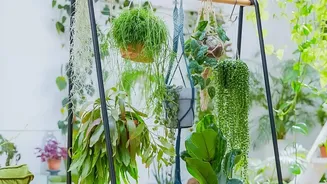
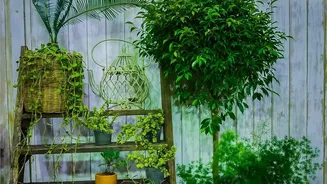
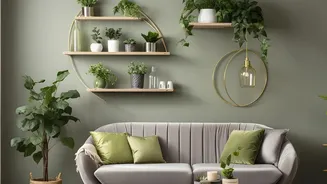
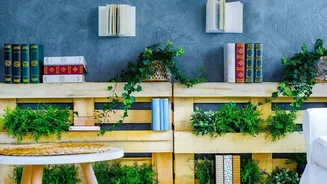
There are several systems to choose from, depending on your space, budget, and DIY skills. Pocket planters, made from felt or fabric, are great for herbs and small plants. Modular or panel systems allow for a more seamless, integrated look and are often used for larger installations. For a simpler, renter-friendly approach, consider tiered shelving, ladder-style plant stands, or trellises for climbing plants like beans and cucumbers. You can even get creative with repurposed items like wooden pallets or rain gutters for a budget-friendly project.
Choosing the Right Plants for Indian Climates
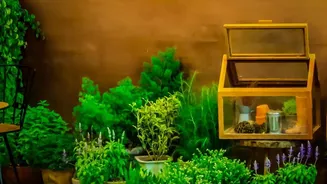
Plant selection is crucial and depends heavily on the amount of sunlight your chosen spot receives. For sunny balconies, heat-tolerant plants like Portulaca, Vinca (Sadabahar), and dwarf Bougainvillea are excellent choices. If you're growing edibles, herbs like basil, mint, and oregano thrive with good light. For shadier, north-facing walls or indoor gardens, lowlight champions like Money Plant (Pothos), Philodendron, Syngonium, and various ferns are ideal. These plants are well suited to the humidity levels in many Indian cities and adapt well to vertical setups.
Essential Care and Maintenance
Vertical gardens have unique needs. Since the containers are smaller, they tend to dry out faster than traditional pots, so consistent watering is key. It's best to water at the base of the plants to prevent fungal growth on the leaves. An automated drip irrigation system can make this much easier, especially for larger walls. Pruning is also important to encourage bushy growth, prevent overcrowding, and ensure all plants get enough light. Finally, because the soil volume is limited, you'll need to feed your plants with a balanced liquid fertiliser during the growing season to replenish nutrients.