



Imagining the Unthinkable
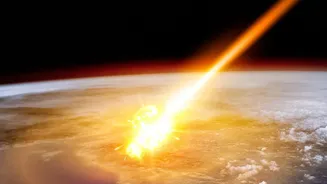
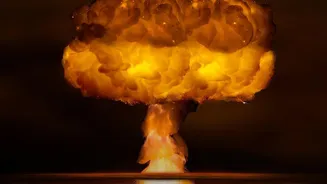
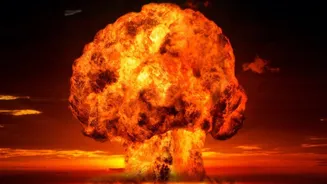
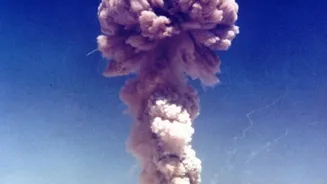
Researchers from the University of Wisconsin-Madison and Princeton University have published a sobering study exploring a hypothetical, yet plausible, scenario: the detonation of a one-megaton nuclear weapon at an altitude of 500 kilometers. This is squarely
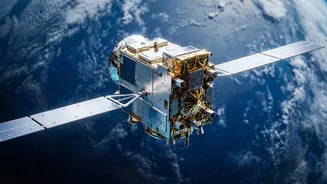
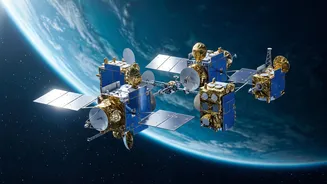
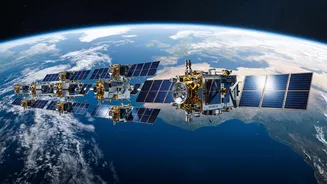
within low-Earth orbit (LEO), a region bustling with over 13,000 active satellites that power everything from communications to weather forecasting. The simulation isn't just a thought experiment; it's a data-driven model designed to understand the cascading consequences of such an event on our increasingly crowded orbital highways. The study draws on historical precedent, namely the 'Starfish Prime' test in 1962, when a 1.4-megaton U.S. nuclear test at a 400-kilometer altitude unexpectedly damaged a number of the few dozen satellites in orbit at the time. Today, with our profound dependence on space infrastructure, the stakes are exponentially higher.
The Belt, Not Just the Blast
While the initial flash of an orbital nuclear explosion would cause some immediate damage, the simulation shows the far greater threat is what comes after. The primary killer of satellites would not be the blast itself, but the creation of an artificial radiation belt. Fission products from the detonation release a storm of high-energy electrons that become trapped by the Earth's magnetic field. This creates a lingering band of intense radiation that satellites would repeatedly fly through. With each pass, their sensitive electronics would absorb a cumulative dose of radiation, leading to system failure. The simulation predicted that this effect would be devastatingly efficient.
A Rapid Orbital Apocalypse
The model's timeline is alarmingly fast. Researchers calculated that within one day of the hypothetical detonation, roughly a quarter of all LEO satellites would be disabled. After three days, that number would jump to 78 percent. Within just one week, the study predicts a staggering 98 percent of the entire low-Earth orbit satellite fleet would become inoperable. Even assuming satellites were built with three times their current radiation tolerance, the model showed 97 percent would still fail within two weeks. This demonstrates that simply 'hardening' satellites offers little protection against such a persistent and pervasive threat. The result would be a near-total wipeout of the LEO infrastructure that underpins much of the modern world.
Cascading Failures on Earth and Above
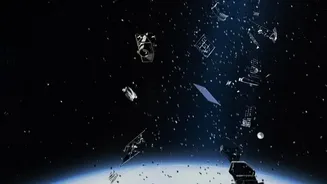
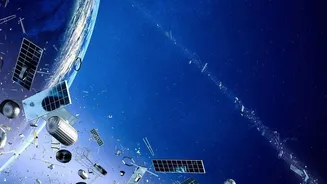
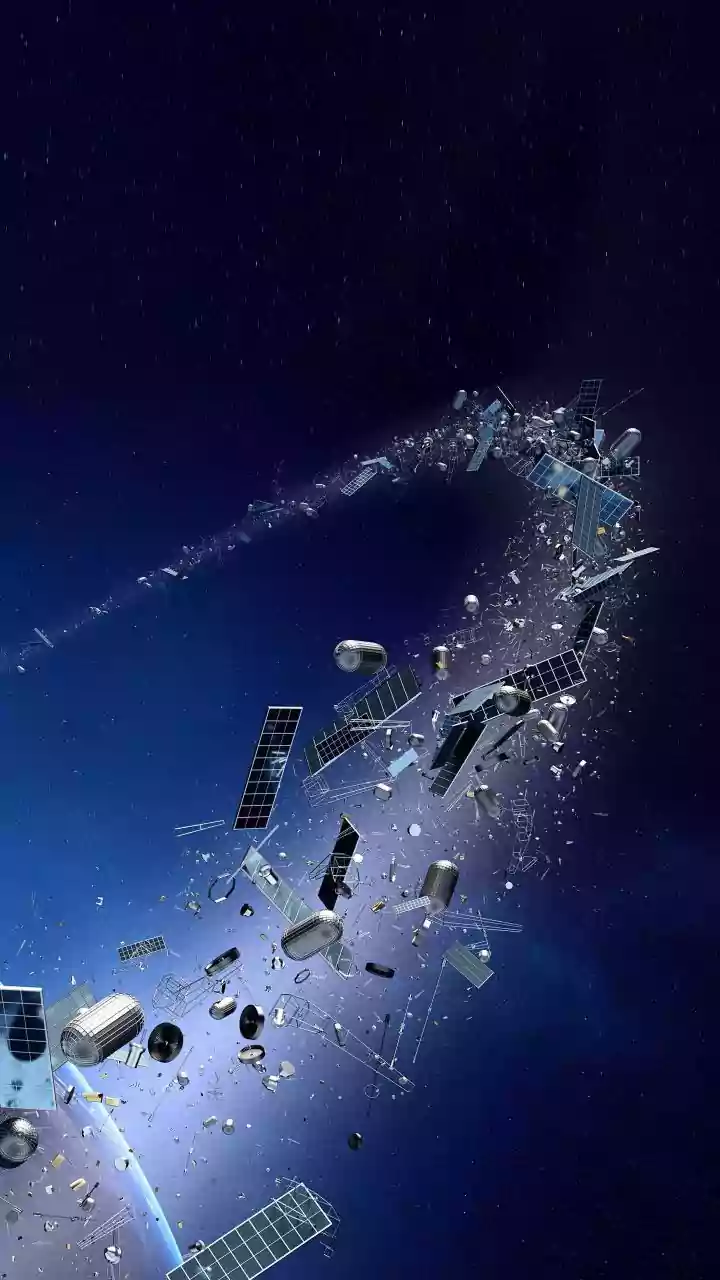
The loss of satellites would trigger a cascade of secondary crises. On the ground, the systems we take for granted—GPS navigation, global financial transactions, internet connectivity, and vital military communications—would face prolonged degradation. Recovery would not be a simple matter of launching replacements. The newly created radiation belts could persist for years, meaning new satellites would be flying into the same deadly environment. Furthermore, with nearly all satellites losing their ability to maneuver, the risk of orbital collisions would skyrocket. The study projects around 20 collisions within two years, compared to just one under normal circumstances. Each collision would create thousands of new pieces of space debris, triggering a potential chain reaction known as the 'Kessler Syndrome' that could render LEO unusable for generations.