

Living in a small urban room doesn't mean you have to live with clutter. For Gen Z, a well-organised space is a sanctuary. These smart decluttering hacks will help you reclaim your floor space and create a room that’s both stylish and functional.
Go Vertical: Think Up, Not Out
When
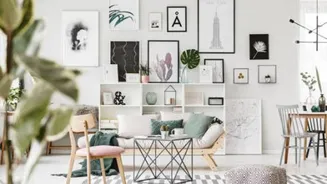
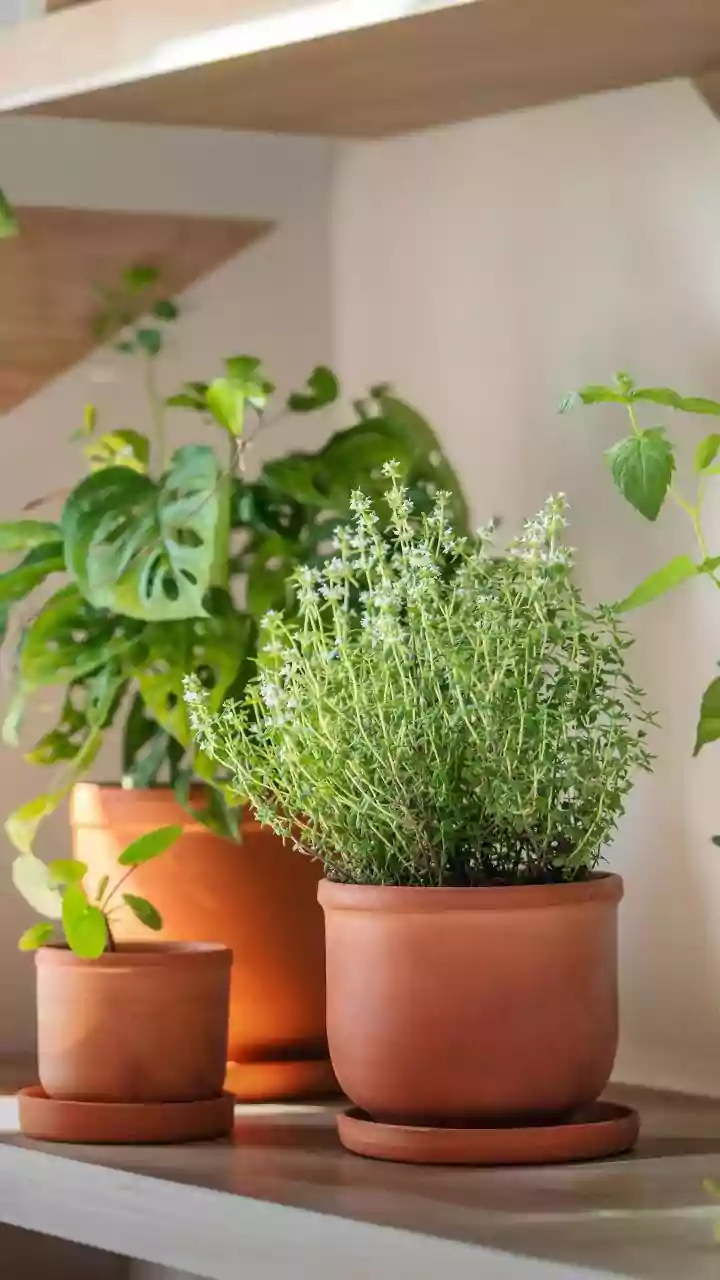
floor space is at a premium, the only way to go is up. Utilising your walls is the single most effective strategy for conquering clutter in a small room. Instead of a wide bookshelf, opt for tall, narrow shelving units that draw the eye upward and provide ample storage without eating into your precious square footage. Floating shelves are another excellent choice, perfect for displaying books, plants, and personal items. You can install them above your desk, bed, or even doorways to make use of often-overlooked areas. Don't forget the power of pegboards and over-the-door organisers, which can turn a blank wall or the back of your door into a versatile storage hub for everything from accessories to toiletries.
Embrace Multi-Functional Furniture
In a compact room, every piece of furniture should work hard. Multi-functional furniture is a cornerstone of smart, small-space living. Think of a bed with built-in drawers for storing seasonal clothing or extra bedding. An ottoman with hidden storage can serve as a footrest, extra seating for guests, and a place to stash blankets or magazines. Similarly, a coffee table with a lift-top can transform into a work-from-home desk, while nesting tables can be spread out when needed and tucked away to save space. These clever pieces reduce the need for multiple items, instantly freeing up floor space and creating a more open, adaptable environment.
Digitise Your Physical Clutter
For a generation that lives online, digital solutions can solve physical storage problems. Piles of paper, old university notes, and sentimental cards can take up significant drawer and desk space. By taking the time to scan and digitise these documents, you can store them in the cloud or on an external hard drive, freeing up physical space instantly. This extends to media as well; consider letting go of bulky DVD or CD collections in favour of streaming services. But be mindful of creating digital clutter in the process. Regularly organise your digital files into folders, delete unused apps, and aim for 'inbox zero' to keep your digital life as tidy as your physical one.
See-Through and Smart Storage
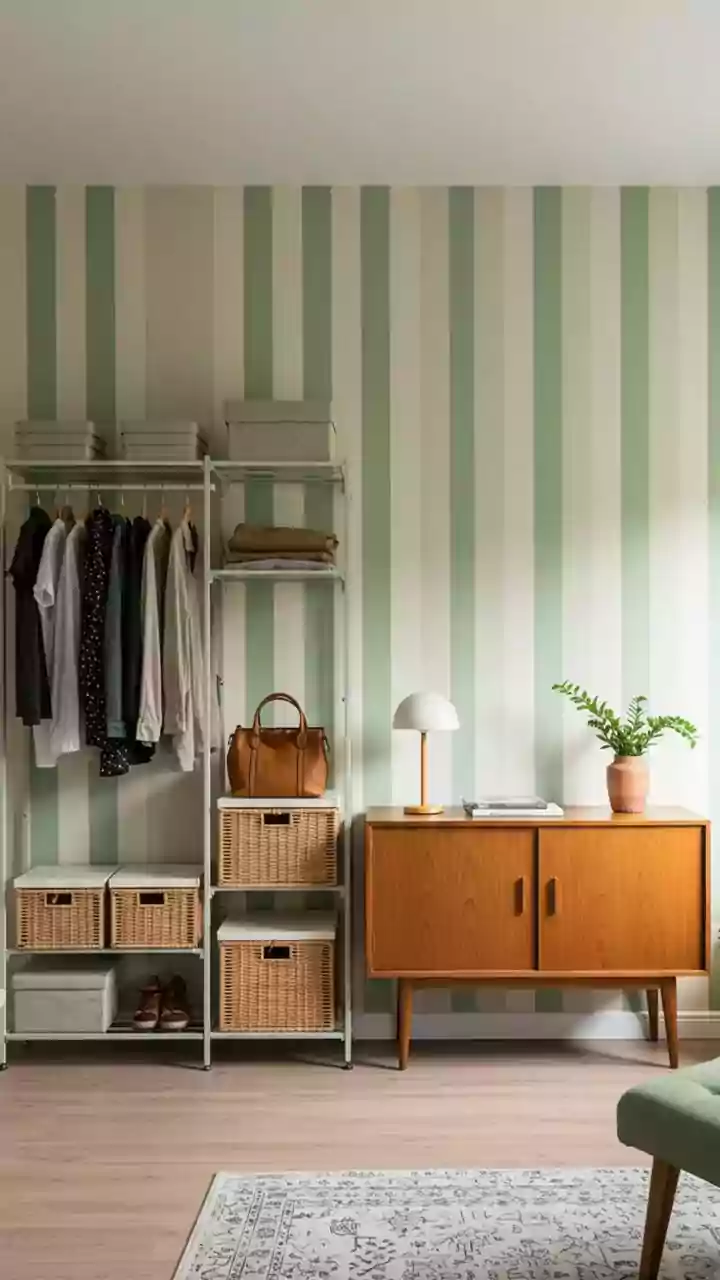
Out of sight is often out of mind, which can lead to buying duplicates of things you already own. Combat this by using clear storage bins. Labelling is also a simple but powerful hack. When you can see what’s inside a box without having to pull it down and open it, you’re more likely to stay organised. This works especially well for items stored under the bed or on high shelves. For smaller items in drawers or on desks, use drawer dividers and small containers to create designated spots for everything. This turns chaotic 'junk drawers' into functional, easy-to-navigate spaces. Consider using stackable containers to make the most of vertical space within your cupboards and closets.
Master the Art of Zoning
Creating distinct 'zones' within a single room can make it feel larger and more organised. Even in a small studio, you can visually separate your sleeping area from your workspace or lounge area. A simple shelving unit, like an IKEA Kallax, can act as a room divider while also providing storage. A rug can define a seating area, while a specific lighting fixture can signal a study corner. By assigning a purpose to each part of your room, you create a more intentional and functional flow. This prevents the entire room from becoming a single, cluttered space and helps contain activities—and their related items—to their designated zones.
Adopt Mindful Decluttering Habits
The best way to keep a room organised is to prevent clutter from building up in the first place. Adopting a 'one in, one out' policy is a great start. Every time you bring a new item into your room, an old one has to go. This is particularly effective for clothing and accessories. Another useful habit is the 15-minute weekly reset. Set a timer and spend just 15 minutes putting things back in their place, tidying surfaces, and dealing with any accumulated clutter. It’s a low-effort way to maintain order without feeling overwhelmed. The goal isn't to be perfectly tidy all the time, but to create sustainable systems that make it easy to reset your space.