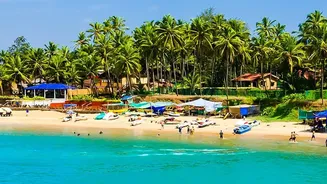







The Prime Window: Dry Season (November to April)
For picture-perfect beach weather, the dry season is your best bet. Running from November through April, this period offers the most stable and pleasant conditions on the island. Expect clear blue skies, abundant sunshine, and calm seas, making it ideal
for swimming, snorkelling, and island-hopping tours. Average daytime temperatures hover comfortably between 25°C and 32°C with low humidity. The months from December to February are considered the absolute peak season. During this time, the weather is at its finest, but you'll also encounter the largest crowds and highest prices for flights and accommodation. If you plan to travel during this window, especially around the Tet (Vietnamese Lunar New Year) holiday, booking several months in advance is highly recommended.
The Trade-Off: Monsoon Season (May to October)
The monsoon, or wet season, lasts from roughly May to October. During these months, the southwest monsoon brings increased humidity and significant rainfall, with July to September being the wettest. However, 'rainy season' doesn't necessarily mean all-day washouts. The rain often comes in short, intense bursts in the afternoon, leaving mornings clear and sunny. The biggest impact is on water-based activities; the seas can be rough, leading to potential cancellations for boat trips and diving excursions. The upside? The island is far less crowded, and prices for hotels and tours can be substantially lower, sometimes 30-50% cheaper than in peak season. The landscape is also at its most lush and vibrant, and waterfalls that are a trickle in the dry season become genuinely impressive.
The Smart Bet: Shoulder Seasons (April-May & October-November)
For many travellers, the sweet spot lies in the shoulder months that bridge the dry and wet seasons. April and May are transitional months where the heat and humidity begin to rise, but you can still enjoy plenty of sunshine before the monsoon fully sets in. You'll find good deals and fewer tourists than in the peak winter months. Similarly, October and November mark the transition back to the dry season. October, in particular, is often considered an underrated gem. The heavy rains begin to subside, the seas calm down, and the island is green and refreshed from the monsoon. Prices are still low before the peak season rush begins in late November, making it an excellent time for budget-conscious travellers who are willing to risk a few rainy days for a quieter experience.
What It Means For Your Plans
Your ideal travel time ultimately depends on your priorities. If your vision for Phu Quoc involves guaranteed sunbathing, pristine beaches, and calm water for snorkelling, then you should absolutely aim for the December to March window and be prepared for higher costs and more company. If you're more interested in exploring the national park, enjoying the local culture, and saving a significant amount of money, the monsoon season can be a rewarding experience, provided you pack a rain jacket and maintain a flexible itinerary. For a balanced approach that combines good weather odds with better value and fewer crowds, the shoulder months of April, May, October, and November offer a fantastic compromise.