




More Than Just Cactus and Rocks
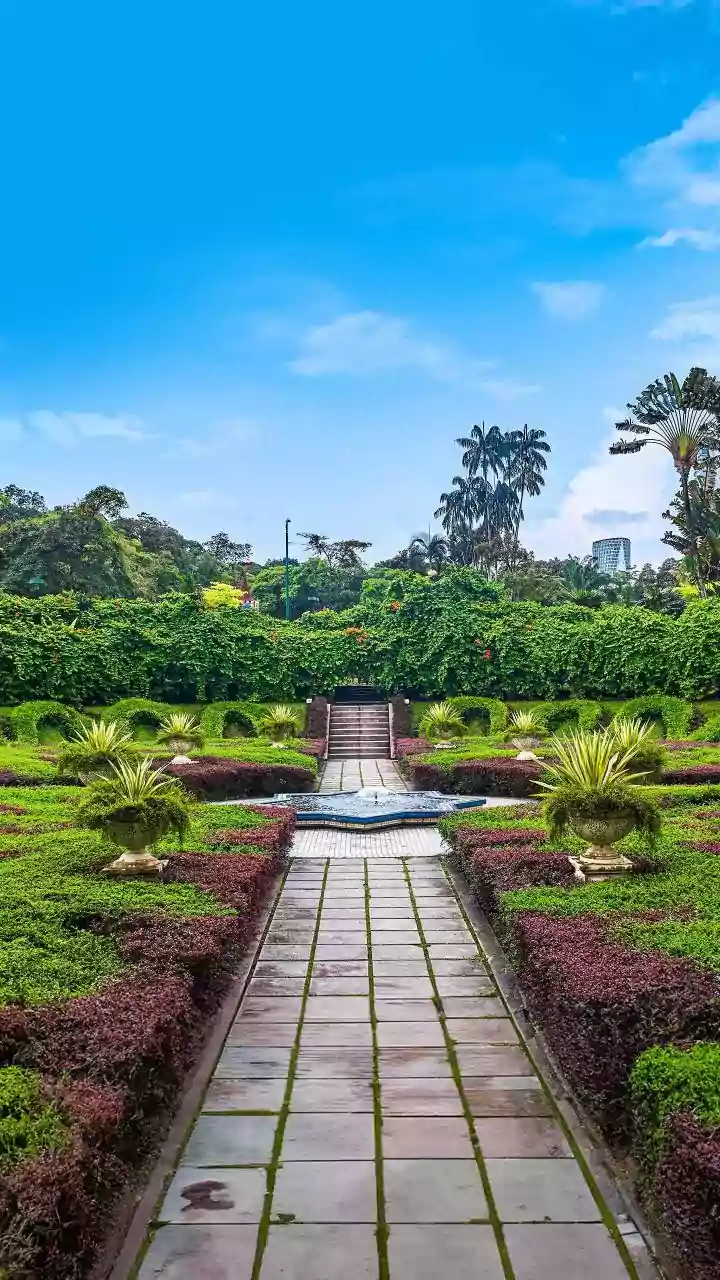
When you hear “low-water garden,” you might picture a barren landscape of stones and thorny cacti. But the modern water-smart garden is a far cry from that stereotype. It’s a design philosophy, often called xeriscaping, that creates a vibrant, beautiful,
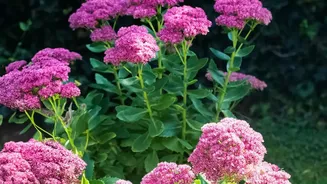
and sustainable outdoor space by using plants and techniques suited to the local climate. The goal isn't to create a dry-scape, but to build a resilient garden that thrives with minimal supplemental watering. This approach celebrates textures, colours, and forms, proving that being water-wise doesn’t mean compromising on beauty. It's about a thoughtful selection of hardy plants, from flowering shrubs to graceful grasses, that are naturally equipped to handle dry spells.
Why the Sudden Thirst for Water-Wise Gardens?
The growing interest in water-smart design in India is born from necessity and a desire for a more sustainable lifestyle. With many major cities facing groundwater depletion and erratic monsoons, the strain on our water resources is a daily reality. A traditional lawn can be incredibly water-intensive, and for many households, reducing outdoor water use is a practical way to conserve a precious resource and lower utility bills. Beyond conservation, there's also a lifestyle shift at play. Water-wise gardens are inherently lower-maintenance. They require less watering, less fertilising, and often, less pest control, freeing up time for homeowners to simply enjoy their green spaces rather than constantly tending to them.
The Core Principles of Smart Design
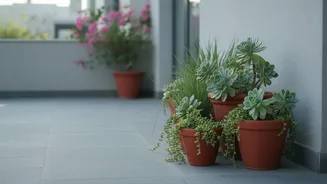
Creating a water-smart garden involves a few key principles. The first is planning and design, which includes grouping plants with similar water needs into “hydrozones.” This prevents overwatering some plants just to keep thirstier ones alive. Improving the soil with organic matter like compost helps it retain moisture longer. Another key step is limiting traditional, thirsty turf grass to areas where it’s truly needed for recreation, and replacing decorative lawns with groundcovers or permeable hardscaping. Finally, choosing an efficient irrigation method, like a drip system that delivers water directly to the roots, eliminates waste from runoff and evaporation.
Meet Your Drought-Tolerant Champions
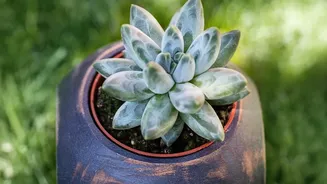
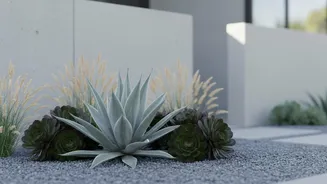
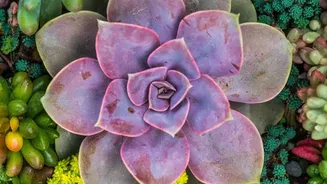
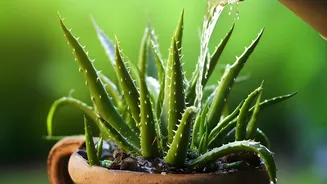
The plant palette for a water-wise Indian garden is rich and diverse. Bougainvillea, with its riot of colour, is a classic drought-tolerant choice. Many native plants are naturally adapted to our climate and thrive with little intervention. Consider flowering shrubs like Lantana or Ixora, which handle heat well. Succulents like Aloe Vera and Agave are excellent for pots and sunny corners, requiring minimal water. For herbs, lemongrass and rosemary are hardy options. Even trees like the Neem and Ashoka are incredibly resilient once established. The key is to choose plants that are suited to your specific region, ensuring they not only survive but flourish.
The Magic of Mulch and Smart Watering
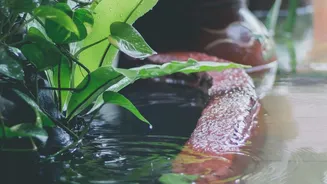
Two of the most effective techniques in a low-water garden are mulching and smart watering. Mulching is simply covering the soil surface around your plants with a layer of organic material like wood chips, straw, or even dried leaves. A thick layer of mulch is transformative: it helps the soil retain moisture by reducing evaporation, suppresses water-stealing weeds, and keeps the soil temperature cooler. When it is time to water, do it wisely. Watering deeply but less frequently encourages plants to develop deeper, more resilient root systems. The best time to water is in the early morning or evening to minimise evaporation from the sun.