





The Rain-Shadow Secret
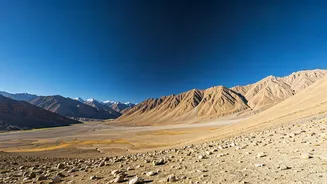
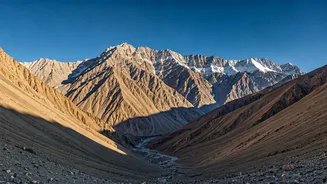
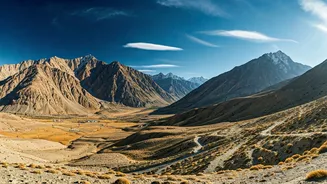
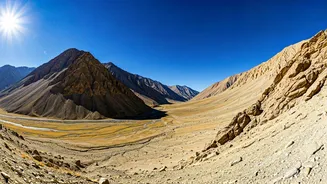
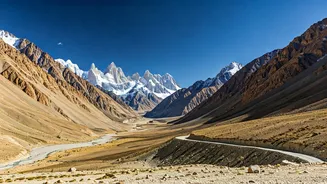
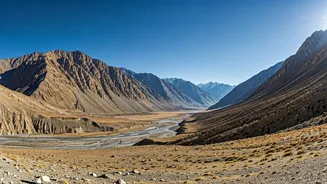
Spiti's immunity to the monsoon is a simple trick of geography. The valley is located in a trans-Himalayan rain-shadow zone. The towering Pir Panjal and Great Himalayan ranges to the south act as a massive wall, physically blocking the moisture-laden
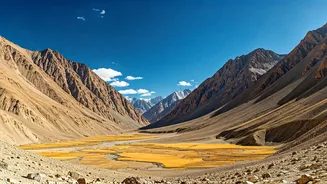
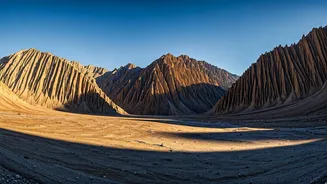
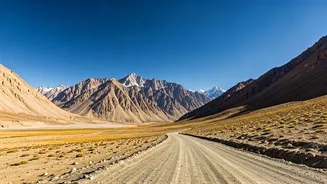
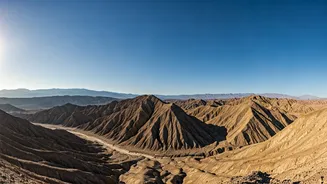
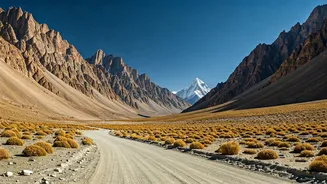
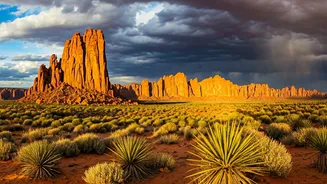
monsoon clouds that sweep in from the plains. While popular destinations like Shimla, Manali, and Dharamshala get soaked, Spiti remains arid, receiving an average annual rainfall of just 170 mm, a fraction of what other areas endure. This is why, even in the peak monsoon months of July and August, Spiti often boasts clear blue skies and sunny days, earning its reputation as a cold desert.
Current Conditions vs. The Rest of Himachal
As of early July 2026, the contrast is stark. The southwest monsoon has covered the entirety of Himachal Pradesh, with the India Meteorological Department (IMD) issuing warnings for heavy rainfall, landslides, and flash floods in many districts. Reports from July 1st confirm that heavy rains have already triggered landslides, closing dozens of roads in Kullu and Mandi districts, and causing fatalities. Rivers like the Beas are swelling, and authorities are advising against travel to vulnerable areas. In Spiti, however, the weather remains relatively stable, with daytime temperatures pleasant and rainfall minimal. This makes the valley itself a safe bubble, but getting there is another story.
The Journey: A Tale of Two Routes
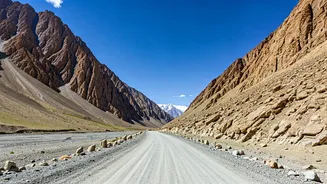
While Spiti is dry, the journey to reach it is the most critical part of your safety calculation. There are two main paths: one from Manali and the other from Shimla. The Manali-Kaza highway, which crosses the high-altitude Kunzum Pass, is the shorter but more challenging route. By July, it is typically open, but water crossings like the infamous Pagal Nala can swell dangerously with snowmelt and rain. The Shimla-Kaza route, travelling via Kinnaur, is longer but generally considered more reliable and allows for better acclimatization. However, even this route is not without risk. The initial stretches through Kinnaur are still susceptible to monsoon landslides, especially on the damaged sections of National Highway 5. The key takeaway is that the destination is dry, but the path requires careful planning, buffer days for potential delays, and an experienced driver.
What 'Safe and Dry' Really Means
The term "safe" here is relative. Spiti is safer from the torrential downpours and widespread flooding plaguing lower Himachal, but it is not free of all risks. The primary dangers in Spiti are not rain-related but are inherent to its high-altitude environment. Acute Mountain Sickness (AMS) is a serious concern, as Kaza sits above 12,000 feet. Gradual acclimatization, preferably by taking the Shimla route, is essential. The roads, while not washed out by rain, are still rugged, remote, and demand careful driving. Furthermore, "dry" does not mean zero precipitation. Occasional light showers can occur, but they are nothing compared to the continuous deluges elsewhere. Travellers should pack for sunny days, but also for cold nights and windy conditions, with temperatures often dropping significantly after sunset.
The Verdict for a July Trip
So, should you go? For the prepared and flexible traveller, Spiti Valley in July offers a rare opportunity to experience the Himalayas when they are lush and green in the approach valleys, while the destination itself is dry, sunny, and culturally vibrant. It's considered a peak season for a reason: roads are fully operational, and the stark landscapes are dotted with patches of green, creating stunning contrasts. However, this is not a trip for the faint-hearted or those on a tight schedule. You must monitor road conditions daily, travel with a reliable vehicle and driver, and build at least two buffer days into your itinerary to account for potential landslide-related delays on the access roads. If you prioritise caution and planning, Spiti can be the perfect, and perhaps the only, safe Himalayan adventure right now.