






The Science of Monsoon Hair
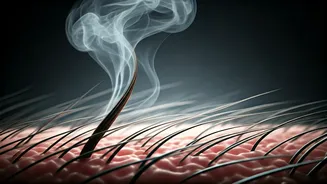
The culprit behind your sudden hair transformation is simple: humidity. Our hair is incredibly porous and contains keratin proteins structured by two types of bonds: strong disulfide bonds and weaker hydrogen bonds. While disulfide bonds are permanent
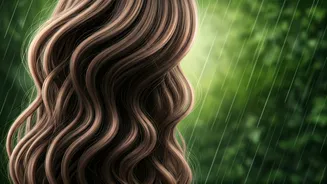
and only broken by chemical treatments, hydrogen bonds are broken and reformed every time your hair gets wet. When the air is saturated with moisture during the monsoon, your hair acts like a sponge. Dry or damaged hair, which has a more open cuticle layer, is especially thirsty. It absorbs excess moisture from the air, causing the hair shaft to swell. This process disrupts the hydrogen bonds, leading to the dreaded frizz, puffiness, and loss of style that can feel like it happened in a single night.
Your Hair Type Matters
Not all hair suffers the same fate. Wavy and curly hair types are naturally drier and have a raised cuticle, making them more prone to absorbing moisture and exploding into a cloud of frizz. Fine, straight hair, on the other hand, might react differently. The excess moisture can weigh it down, making it appear flat, limp, and greasy. Understanding your hair’s natural tendency is the first step in creating an effective monsoon-proof routine. What works to tame a frizzy curl might be too heavy for straight hair, so tailoring your approach is key to winning the battle against humidity.
Build an Anti-Humectant Arsenal
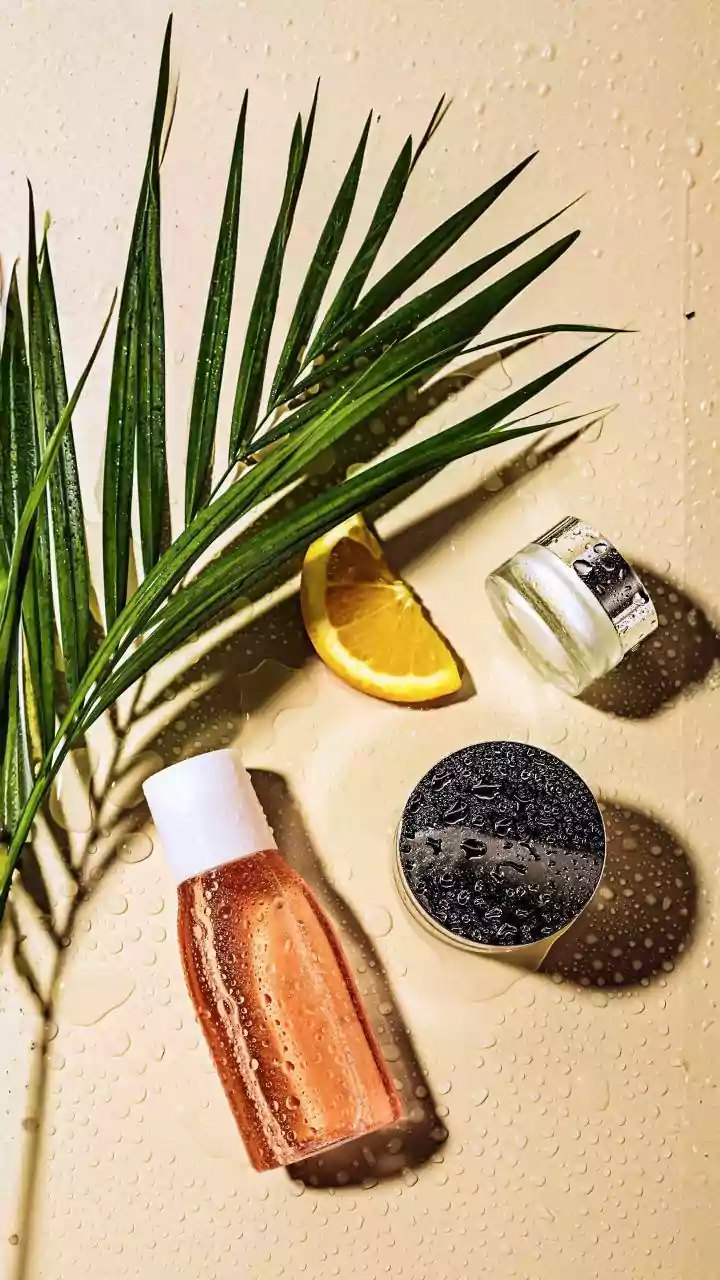
Your product lineup needs a strategic shift during the rainy season. Look for products that form a protective barrier against moisture. Silicone-based serums are excellent for this, as they coat the hair shaft and seal the cuticle, preventing humidity from getting in. Ingredients like shea butter, argan oil, and coconut oil also work wonders by nourishing the hair and locking in moisture from within, so it’s less likely to seek it from the air. Avoid products with high concentrations of humectants like glycerine in your styling products. While they are great for drawing moisture into the hair in dry climates, in a humid environment, they will pull excess moisture from the air, exacerbating frizz.
Rethink Your Wash Routine
How you wash and condition your hair can make a huge difference. Start with a gentle, sulphate-free shampoo to avoid stripping your hair of its natural oils, which act as a built-in frizz protectant. Don't over-wash; shampooing two to three times a week is often sufficient. Follow up with a rich, nourishing conditioner, focusing on the mid-lengths and ends. This is also the perfect time to incorporate a weekly deep-conditioning mask. A well-hydrated hair strand is a closed, smooth strand, and it’s your best defence against the damp air. After conditioning, a final rinse with cold water can help seal the cuticles for an extra layer of protection.
Master a Low-Maintenance Style
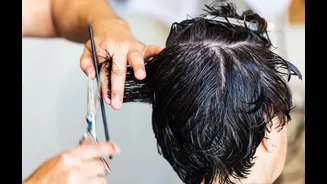
Fighting to maintain a perfectly sleek, straight style or defined curls during a downpour is often a losing battle. Instead, embrace protective and low-maintenance hairstyles. Braids, top-knots, and chic buns not only keep your hair contained and less exposed to the humid air but also look effortlessly stylish. When you do need to blow-dry, always use a heat-protectant spray and finish with the 'cool shot' button on your dryer to close the hair cuticles. If you have curly hair, using a diffuser on a low-speed, low-heat setting can help define your curls without creating frizz. Finally, avoid touching your hair throughout the day, as the oils and moisture from your hands can disrupt your style and add to the frizz.