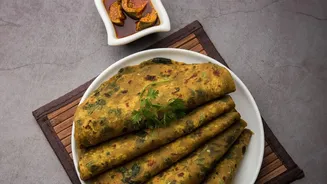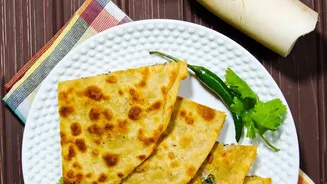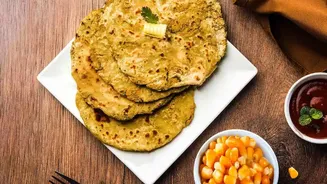

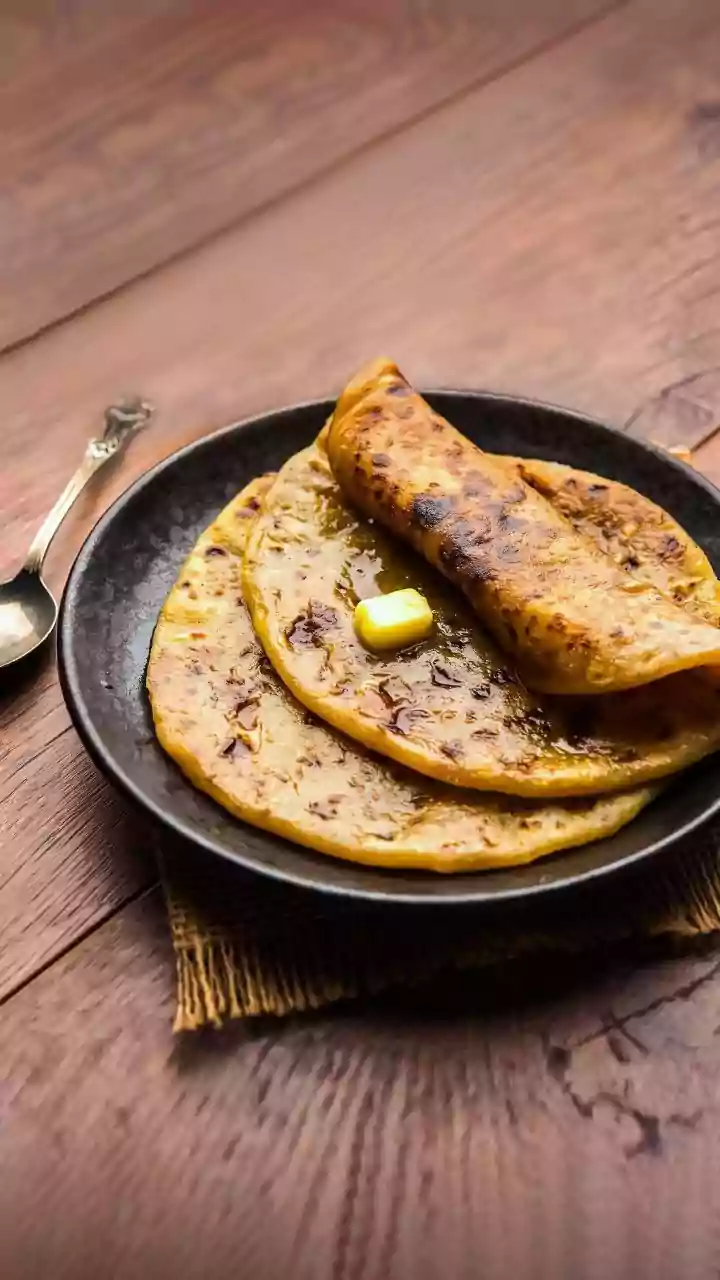
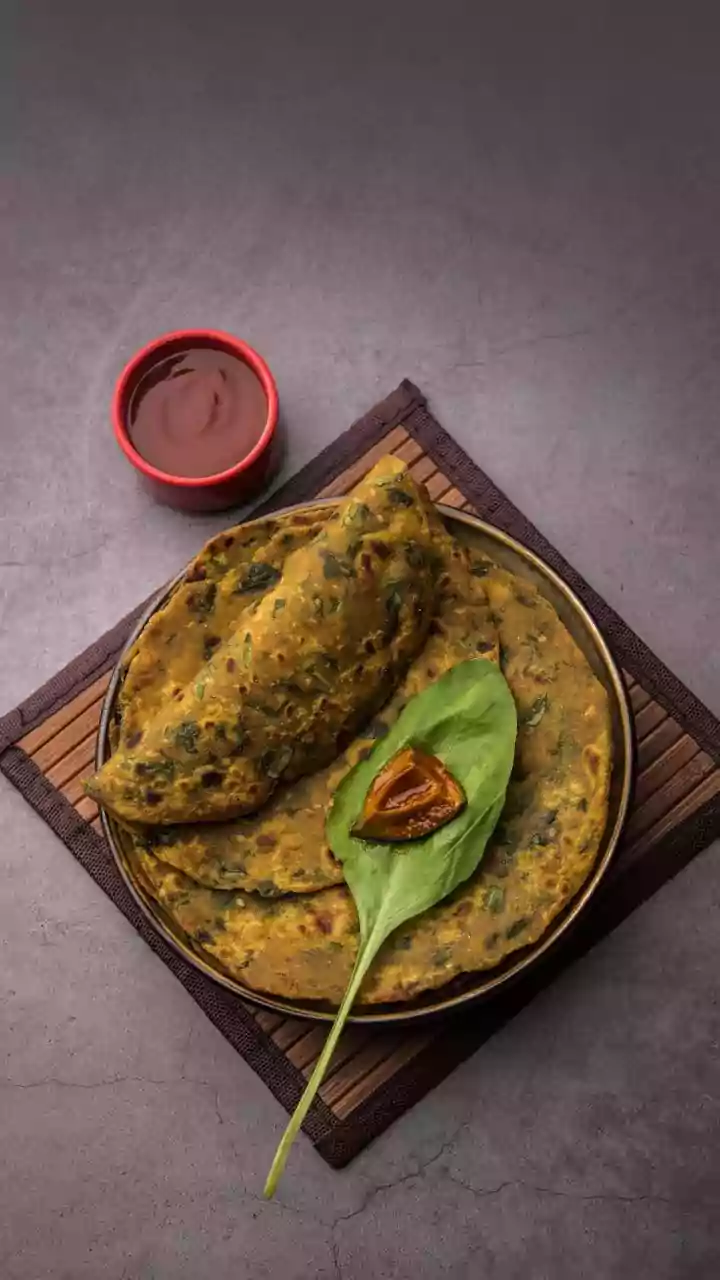

As the air turns crisp, our cravings shift to warm, comforting meals. This winter, give the usual parathas a wholesome twist with jowar and radish, a combination that is not only delicious but also packed with seasonal health benefits.
The Winter Wonder: Jowar Flour
Jowar, or sorghum,
has long been a staple in Indian households, especially during colder months. This gluten-free millet is considered a 'winter superfood' for good reason. It's rich in fibre, which aids digestion and promotes a feeling of fullness, helping with weight management. Jowar also provides a slow and steady release of energy, which helps in maintaining body heat during chilly days. Packed with essential nutrients like iron, calcium, and magnesium, it supports bone health, which can be crucial when joint stiffness worsens in the cold. Its high antioxidant content also helps bolster your immune system against common winter ailments like the cold and flu.
The Power of Radish (Mooli)
Radish, or 'mooli', is a quintessential winter vegetable in India. It is abundant in Vitamin C, which is vital for strengthening the immune system and fighting off infections. Radishes are also excellent for digestion; their high fibre content helps prevent constipation and bloating. Furthermore, this root vegetable has detoxifying properties, supporting liver function and helping to cleanse the body. Rich in potassium, radish also contributes to heart health by helping to regulate blood pressure. Its seasonal availability in winter ensures it is at its nutritional peak, making it an ideal ingredient for cold-weather meals.
Ingredients for Your Parathas
This recipe brings together the goodness of both jowar and radish. Here’s what you'll need: Jowar Flour: 1.5 cups Grated Radish (Mooli): 1 cup Chopped Radish Leaves: 1/2 cup (optional, but adds nutrients) Warm Water: Approximately 1 cup (for kneading) Green Chillies: 1-2, finely chopped Ginger: 1-inch piece, grated Ajwain (Carom Seeds): 1 teaspoon Coriander Powder: 1 teaspoon Turmeric Powder: 1/4 teaspoon Salt: To taste * Ghee or Oil: For cooking
A Step-by-Step Guide to Perfection
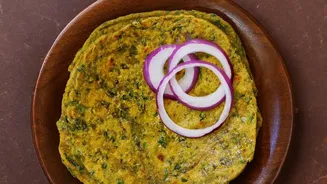
1. Prepare the Radish: Place the grated radish in a bowl and sprinkle it with a little salt. Let it sit for 10-15 minutes. This will cause the radish to release its excess water. Squeeze the grated radish firmly to remove all the water; this step is crucial to prevent the dough from becoming too sticky. 2. Make the Dough: In a large mixing bowl, combine the jowar flour, squeezed radish, chopped radish leaves (if using), green chillies, grated ginger, ajwain, coriander powder, turmeric, and salt. Gradually add warm water and begin to knead. Jowar flour requires gentle but firm kneading for a few minutes to form a smooth, pliable dough. The dough should be soft but not sticky. 3. Roll the Parathas: Divide the dough into equal-sized balls. Since jowar flour is gluten-free, it can be prone to cracking. A great technique is to place a dough ball on a piece of parchment paper or a plastic sheet and gently press it with your fingertips or roll it out lightly to a small circle, about 4-5 inches in diameter. 4. Cook the Parathas: Heat a tawa (griddle) over medium heat. Carefully place the rolled paratha on the hot tawa. Cook for about a minute until small bubbles appear, then flip it. Apply a little ghee or oil and cook the other side. Press gently with a spatula and flip again, cooking until both sides have golden-brown spots.
Tips for the Softest Jowar Parathas
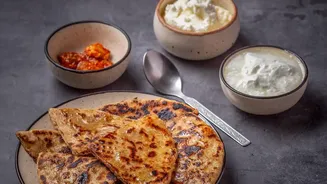
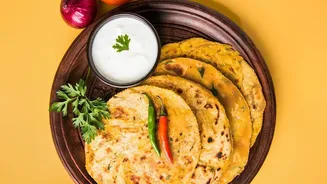
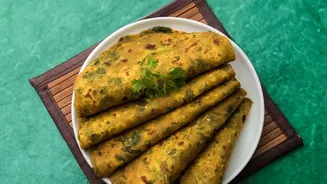
Working with jowar flour can be tricky at first. The key to soft, unbreakable parathas is using warm water to knead the dough; it helps to activate the starches in the flour, making it more pliable. Let the kneaded dough rest for about 10-15 minutes, covered with a damp cloth, before rolling. This allows the flour to fully hydrate, resulting in a softer texture. If the edges crack while rolling, don't worry—it's normal for gluten-free dough. You can either pinch them back together or use a round cutter for a perfect shape. Serve these wholesome parathas hot off the tawa with a side of plain curd, pickle, or a warm vegetable curry for a truly satisfying winter meal.