







Beyond the Beachside Cafe
The image of the digital nomad has long been associated with a certain carefree individualism—a solo entrepreneur working from a laptop anywhere with a Wi-Fi signal. But a subtle evolution is taking place in hotspots like Bali. A growing number of remote
workers are moving beyond the isolation of a cafe corner and into structured, community-focused environments. These aren't just shared offices with better views; they are purpose-built hubs designed to foster connection, collaboration, and, increasingly, a commitment to sustainability. This new breed of digital nomad isn't just seeking a beautiful backdrop for their Zoom calls; they are looking for a lifestyle and a community that aligns with their environmental and social values. They are trading transient loneliness for a sense of belonging in places that actively encourage a more conscious way of living and working.
Why Bali is the Epicentre
Bali has always held a magnetic pull for travellers, known for its spiritual ethos, lush landscapes, and vibrant culture. This has made it a natural incubator for the digital nomad movement. However, the island's recent challenges with over-tourism and environmental pressures, particularly plastic pollution, have also sparked a powerful counter-movement. This has given rise to a robust ecosystem of eco-conscious initiatives, from grassroots beach clean-ups to innovative social enterprises. For a digital nomad driven by sustainability, Bali offers more than just good infrastructure; it provides an opportunity to be part of a community actively seeking solutions. Hubs in areas like Ubud and Canggu tap into this energy, positioning themselves as nexuses for professionals who want their presence on the island to be regenerative rather than extractive. The island's inherent spirituality and focus on balance (Tri Hita Karana) provides a philosophical backdrop that resonates deeply with this mission.
Inside a Green Coworking Hub
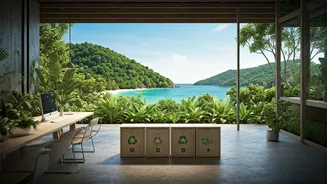
So, what makes a coworking space an “eco-hub”? The commitment goes far beyond using reclaimed wood and bamboo in construction. These spaces are designed as living ecosystems. You might find an on-site cafe serving organic, locally sourced food, often from a permaculture garden right on the premises. Single-use plastics are typically banned, with systems in place for filtered water refills and composting. But the 'green' aspect is most powerfully expressed through community programming. A weekly schedule might include workshops on sustainable living, skill-sharing sessions on ethical marketing, talks by local environmental activists, and organised community service events like reef restoration projects or clean-up drives. The goal is to integrate sustainable practices into the very fabric of daily work life, making it a collective, shared endeavour rather than an individual burden. It’s about building a network where professional ambitions and planetary well-being are seen as interconnected.
A Conscious Lifestyle, Not Just a Desk
For these eco-driven nomads, the principles of sustainability extend far beyond their 9-to-5. The community and resources found in these hubs often influence their entire lifestyle. They are more likely to live in eco-friendly guesthouses, support local artisans and farmers' markets, and choose transportation methods with a lower carbon footprint, like scooters or bicycles for local travel. This is a deliberate rejection of the fast, disposable culture often associated with tourism. Instead, it’s about slow travel and deep integration. There's a conscious effort to learn the local language, understand cultural norms, and contribute positively to the local economy. This holistic approach reframes the digital nomad experience from a temporary escape to a meaningful, place-based lifestyle, where one’s impact on the host community and environment is a constant consideration.
The Green-Tinted Reality Check
While the trend is inspiring, it's not without its complexities. The most significant irony is the carbon-heavy, long-haul flight required for most nomads to reach Bali in the first place. Critics point out that no amount of bamboo straws can offset the environmental cost of international air travel. There is also the persistent issue of gentrification, where the influx of affluent foreigners can drive up living costs for local residents. Furthermore, the term 'eco' can sometimes be used as a marketing buzzword, a phenomenon known as “greenwashing.” Discerning nomads must look past the aesthetic to see if a hub's commitment to sustainability is genuine and impactful. True sustainability in this context requires a constant, humble negotiation between the desire for global mobility and the responsibility to the local and planetary environment.