



The Allure of a Monsoon Trek
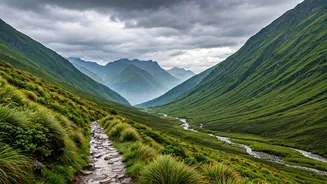
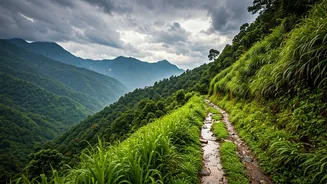
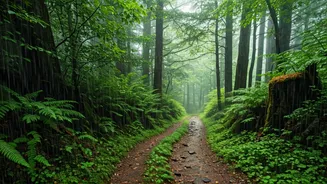
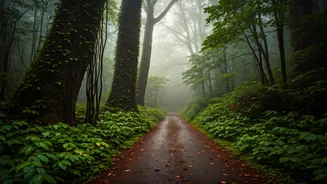
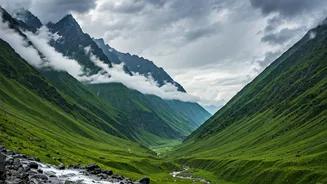
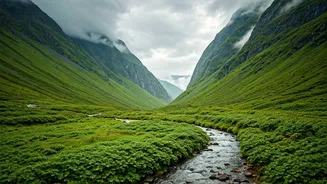
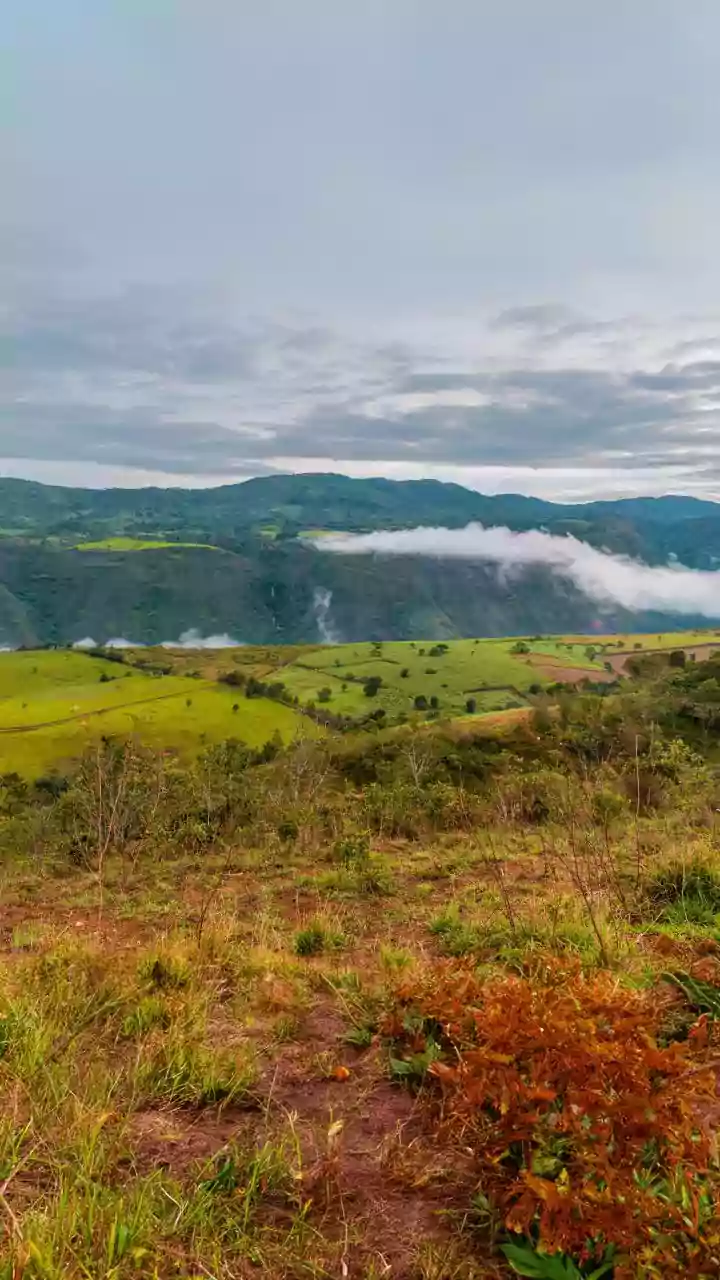
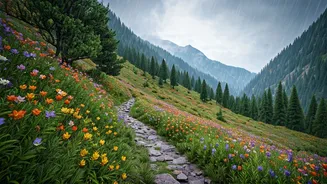
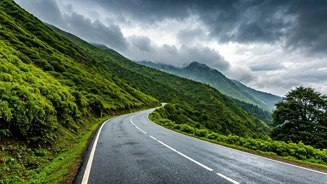
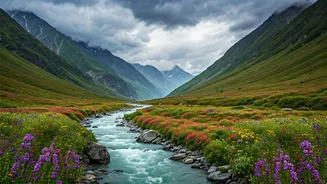
Trekking in the monsoon is a sensory overload in the best possible way. The earthy scent of rain-soaked soil, known as petrichor, fills the air. Landscapes turn into a brilliant canvas of emerald greens, waterfalls roar to life, and clouds float at eye
level, wrapping the peaks in a mystical embrace. [14, 15] This season offers a unique solitude; with fewer crowds on many trails, the experience becomes more personal and serene. [15] For photographers and nature lovers, the dramatic play of light, mist, and vibrant flora creates unparalleled vistas. The entire ecosystem feels refreshed, raw, and intensely alive, offering a trekking experience that is both challenging and deeply rewarding. [14, 17]
Essential Safety and Preparation
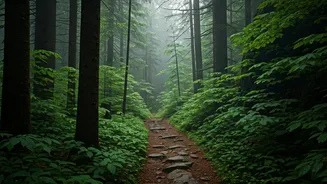
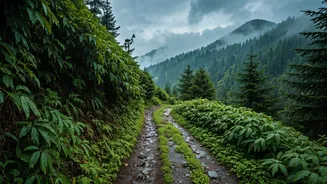
The magic of a monsoon trek comes with a critical need for caution. Trails can become slippery and muddy, visibility may drop suddenly due to fog, and the risk of landslides increases in certain areas. [4, 13, 20] Smart preparation is non-negotiable. Invest in high-quality waterproof trekking shoes with excellent grip and a reliable rain jacket or poncho. [2, 18] Pack quick-drying clothes, as cotton stays wet and can lead to a dangerous drop in body temperature. [2] Use a backpack rain cover and store electronics, clothes, and other essentials in dry bags or ziplocks. [14] Always start your trek early to avoid the heavier afternoon showers, check weather forecasts, and consider hiring a local guide who understands the terrain and conditions. [2, 13, 24]
Valley of Flowers, Uttarakhand
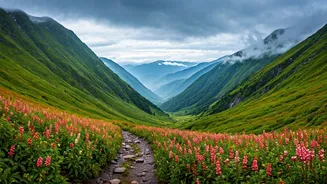
Aptly named, this UNESCO World Heritage Site is arguably India's most famous monsoon trek. [3, 7] From July to early September, the valley explodes into a carpet of over 600 floral species, including the elusive blue poppy and Brahma Kamal. [3, 5] The monsoon rains are the very lifeblood of this spectacle, making it one of the few treks that is at its absolute peak during this season. [5, 7] Classified as an easy-to-moderate trek, the journey starts from Govindghat and proceeds to Ghangaria, which serves as the base camp. [3, 7, 26] While the trail can be slippery, it is well-monitored by the Forest Department during these months, ensuring it remains as safe as possible for the influx of nature enthusiasts. [6] The total trek covers approximately 38 km, with daytime temperatures hovering between a comfortable 10°C to 18°C. [3, 6]
Hampta Pass, Himachal Pradesh
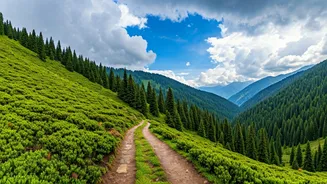
The Hampta Pass trek is a journey of dramatic contrasts, making it a monsoon favourite for both beginners and seasoned trekkers. [8, 19] The trail begins in the lush green Kullu Valley—vibrant with blooming meadows and gushing streams—and crosses over the 14,100 ft pass into the arid, stark landscapes of Lahaul. [17, 26] This transition is the trek's signature highlight. The best window is from July to September, when the weather is dynamic, with sunshine often giving way to cinematic mist and clouds. [8, 17] While it rains, especially in the Kullu valley side, the conditions create a fresh, green paradise. [17, 19] The trek is considered moderate, and the experience of camping at scenic sites like Balu Ka Ghera and Shea Goru, surrounded by shifting clouds, is unforgettable. [8]
Triund, Himachal Pradesh
A short and popular trek near McLeodganj, Triund offers breathtaking views of the Dhauladhar range. While it can be done year-round, the monsoon season (July-August) casts a unique spell on the trail, turning the hills a lush green and creating a mystical, cloudy atmosphere. [11] The trek is relatively easy, but the rocky final stretch can become quite slippery in the rain, demanding caution. [4] It's advisable to start early and take breaks at the small 'dhabas' along the way if it rains heavily. [4] Due to its popularity, the trail can be crowded, but the reward of watching clouds float beneath you from the top is well worth it. Trekkers should be prepared for reduced visibility and potential camping challenges in wet weather. [13]
Tarsar Marsar, Kashmir
Often hailed as one of the prettiest treks in India, Tarsar Marsar takes you to two stunning alpine lakes of mesmerising blue. [21, 28] The ideal season for this trek is from July to September. [21, 22] During these monsoon months, Kashmir's meadows are in full bloom, carpeting the landscape in vibrant colours. [21] While it is a monsoon trek, the region lies in a rain-shadow area, meaning the rainfall is typically not heavy enough to disrupt the journey. [28] This moderate-grade trek allows for the incredible experience of camping right beside the pristine Tarsar Lake. [21, 29] The journey through lush valleys, alpine meadows, and past the twin lakes makes it a compelling alternative to the more crowded Kashmir Great Lakes trek. [21, 22]