



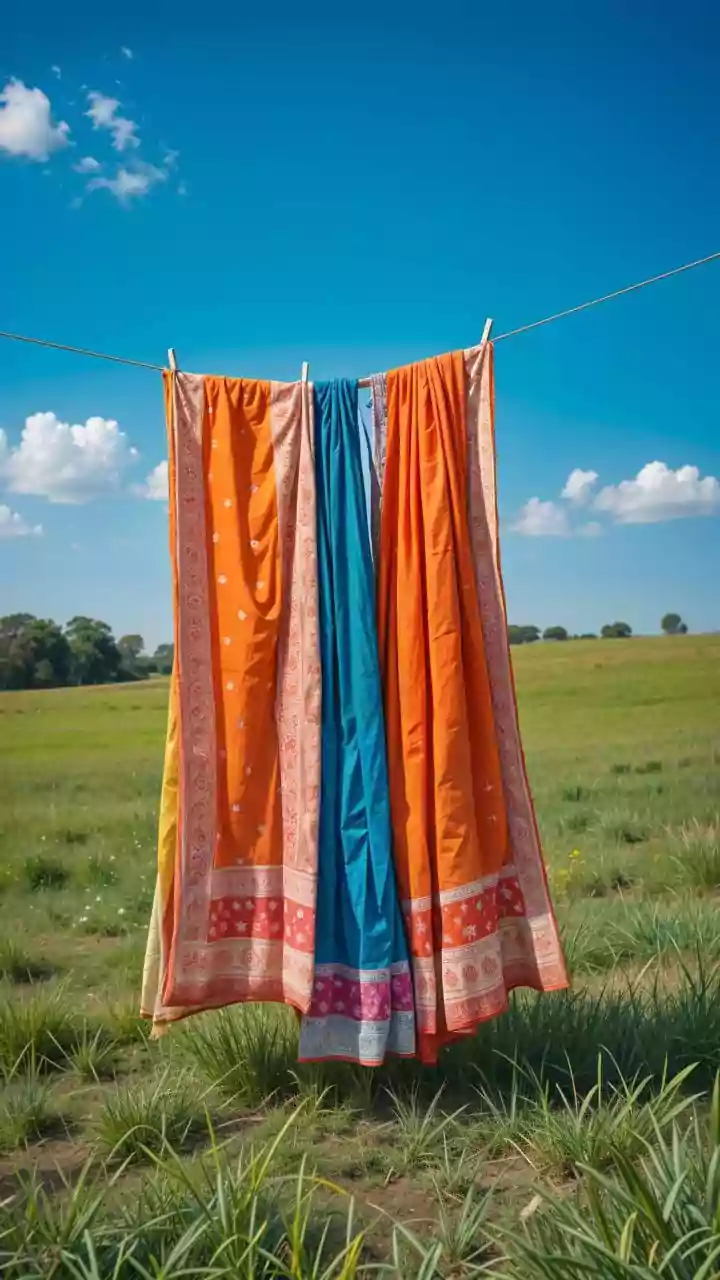





The All-Rounder: Cotton and Its Blended Cousins
Cotton is a timeless choice for Indian weather, and the monsoon is no exception, with a few caveats. Its breathability is a major advantage in the sticky, humid air. For maximum comfort, opt for lightweight versions like mulmul, voile, and other fine
cottons that allow air to circulate freely. However, pure cotton absorbs moisture and can be slow to dry, which is a significant drawback when sunlight is scarce. This is where cotton blends shine. A cotton-polyester or cotton-rayon blend offers the best of both worlds: the softness and comfort of cotton combined with the quick-drying, wrinkle-resistant properties of synthetics. These blends are perfect for everyday kurtas, tops, and dresses, ensuring you stay comfortable without feeling soggy.
The Practical Performers: Polyester and Nylon
When practicality is paramount, especially on days with heavy rain or for a wet commute, synthetic fabrics like polyester and nylon are your best friends. These materials are inherently water-resistant, meaning they don't absorb moisture like natural fibres do. Rainwater tends to bead up and roll off, and even if they do get wet, they dry incredibly quickly, often in just an hour or two indoors. While they may not feel as breathable as cotton in extreme humidity, modern textile technology has improved their comfort significantly. Look for lightweight polyester georgette, chiffon, or crepe for sarees and dresses that drape well and won't cling awkwardly when damp.
The Smart Alternatives: Rayon and Crepe
Sitting comfortably between natural and synthetic fabrics, rayon is an excellent monsoon choice. As a semi-synthetic fabric, it feels wonderfully light and breathable against the skin, similar to cotton, but it dries much faster. Its smooth, flowy texture makes it ideal for dresses, blouses, and kurtas that won't stick to you in the humidity. Crepe is another fantastic option. It is typically a bit thicker than cotton, which means it is less likely to become transparent when wet—a common monsoon wardrobe malfunction. It also holds its shape well and dries quickly, making it a reliable and stylish choice for both work and casual wear.
The Fabrics to Park for the Season
Just as important as knowing what to wear is knowing what to avoid. Heavy fabrics are the primary culprits. Denim is one of the worst offenders; it becomes incredibly heavy when wet and can take days to dry in a humid climate, often developing a musty smell. Pure, heavy silk is another fabric to save for drier days, as it can be easily damaged by water spots and takes a long time to dry. Similarly, fabrics with a thick pile like velvet and corduroy act like sponges, trapping moisture and creating a breeding ground for mildew. For a hassle-free monsoon, it's best to keep these items safely stored in the back of your wardrobe.
Monsoon Wardrobe Care Essentials
Choosing the right fabric is only half the battle; proper care is essential to keeping your clothes fresh. If you get caught in a downpour, wash your clothes as soon as possible to prevent dirt from setting in and mildew from forming. When washing, use your machine’s extra spin cycle to wring out as much water as possible. For indoor drying, place a rack in a well-ventilated room, ideally with a fan running to circulate air. Once clothes are dry, ironing them can help eliminate any lingering dampness. To combat musty wardrobe smells, place camphor balls or a few dried neem leaves in your cupboards. They absorb excess moisture and act as natural insect repellents.