





Beyond the 'Local' Label
The farm-to-table movement has powerfully reshaped how we think about food, creating a connection between diners and the land. But as 'local' became a popular buzzword, its meaning started to blur. Some businesses have been accused of 'localwashing,'
using the term as a marketing gimmick without a genuine commitment to quality or community support. A product might be assembled nearby from ingredients shipped across the globe, or a restaurant might highlight one local vegetable while the rest of the menu relies on a globalised supply chain. This ambiguity can dilute the movement's original purpose: to deliver fresher, more vibrant food. When the label becomes more important than the product itself, both diners and dedicated producers lose out. The antidote isn't to abandon local sourcing, but to refine our focus.
The Ultimate Metric: Flavour
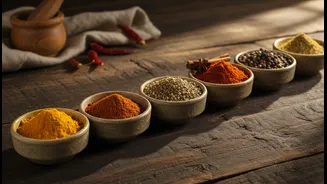
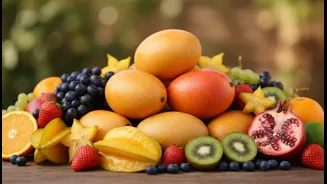
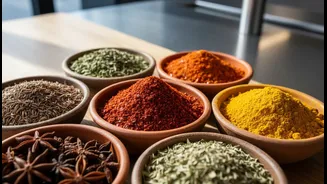
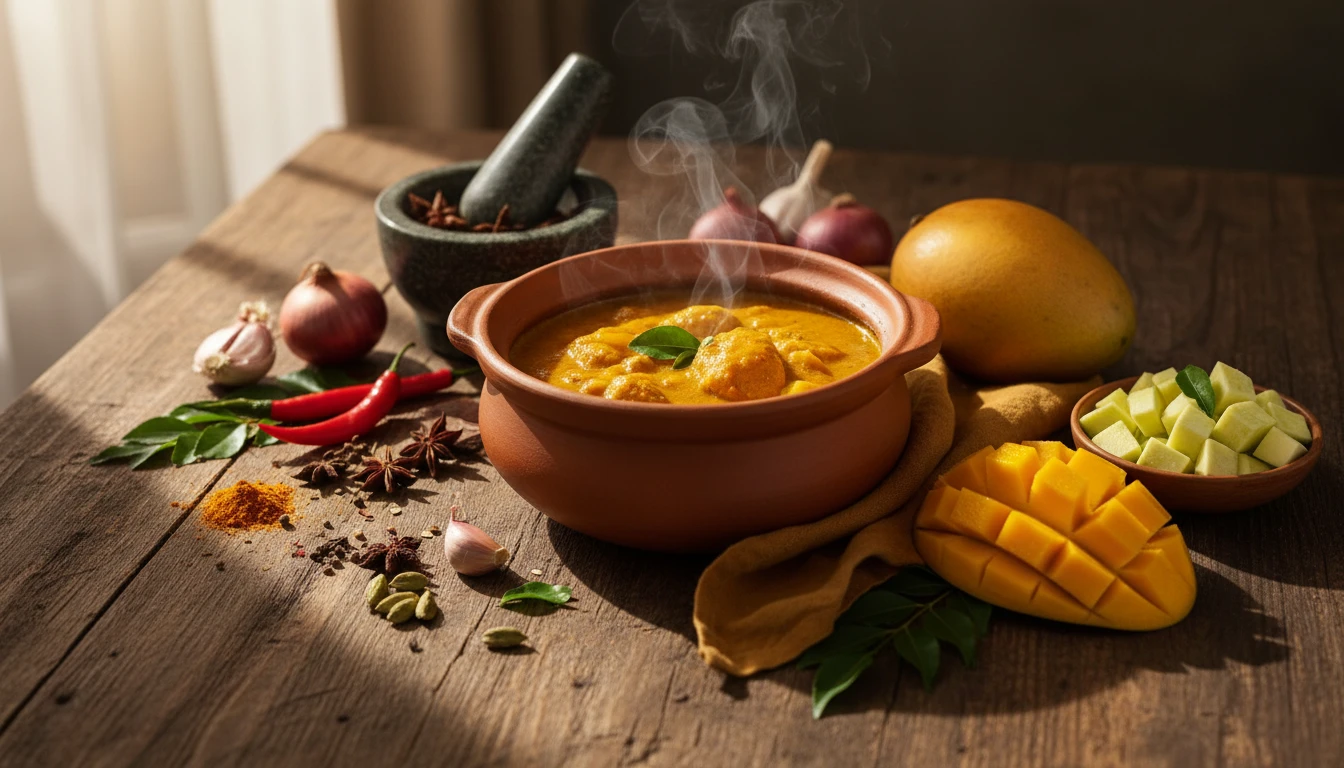
The true measure of an ingredient's worth is its taste. Produce that is grown with care and harvested at its peak simply tastes better. It retains more of its natural sugars, essential oils, and nutrients, which translate directly to superior flavour and texture on the plate. Think of the intense sweetness of a mango from Ratnagiri, the distinct aroma of spices from Kerala, or the earthy depth of indigenous grains from a specific region. These ingredients tell a story of place—their 'terroir'—through their taste. When chefs and consumers prioritise this sensory experience, they move beyond marketing and connect with the real magic of local agriculture. A shorter journey from farm to kitchen often contributes to this quality, but it's the resulting flavour, not the short distance, that truly matters.
A New Generation of Indian Chefs
Across India, a wave of chefs is championing this taste-first philosophy. They are building deep relationships with farmers, not just to buy ingredients, but to collaborate on what is grown and when it's harvested. These chefs are moving beyond standard produce to explore hyper-regional and indigenous ingredients that offer unique and exciting flavours. Restaurants like Masque in Mumbai, for example, have built menus around ingredients like the ice apple (tadgola) and Gondhoraj lime, transforming them into modern culinary creations. This approach requires more effort—navigating supply variations and sometimes higher costs—but the payoff is a menu that is dynamic, authentic, and bursting with life. These chefs are proving that the most compelling story is the one told by the food itself.
Celebrating India's Agricultural Tapestry
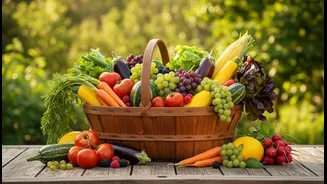
India’s incredible biodiversity is its greatest culinary asset. Each region offers a unique palette of flavours waiting to be discovered, from the river fish of Maharashtra to the wild herbs and smoked meats of the North East. A taste-led approach to sourcing encourages the preservation and celebration of this diversity. When there is a demand for a specific, flavourful heirloom tomato or a fragrant local rice variety, farmers are incentivised to keep growing them. This creates a virtuous cycle that supports local economies, promotes sustainable farming, and protects India’s rich agricultural heritage. It moves the focus from a few commodity crops to the vast spectrum of what our land can produce, offering diners a true taste of place.
How to Be a Taste-Led Eater
As a diner and consumer, you have the power to drive this change. It starts with curiosity. Instead of just looking for the 'local' sign, ask questions. Ask your restaurateur or grocer about where their food comes from and why they chose a particular supplier. When you eat, pay attention to the flavour. Can you taste the freshness in the salad greens? The sweetness of the seasonal fruit? Support the establishments and producers who are clearly passionate about quality and taste. Visit farmers' markets and talk to the people who grow the food. By becoming a more conscious eater, you encourage a system where authenticity and flavour are the primary currency, ensuring the local food movement delivers on its delicious promise.