





Achieve Peak Physical Fitness
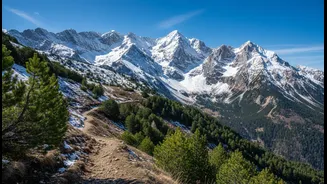
The trek to the Amarnath cave is a serious high-altitude challenge. To prepare your body, the Shri Amarnathji Shrine Board (SASB) advises starting at least a month in advance. Begin a routine of daily walks, aiming for 4-5 kilometres. Incorporate deep
breathing exercises and yoga, especially Pranayama, to improve your body's oxygen efficiency at high altitudes. Building stamina is not just a recommendation; it is essential for handling the steep climbs and reduced oxygen levels, which can cause altitude sickness. Symptoms include headaches, dizziness, and nausea. If you experience these, it is crucial to descend to a lower altitude immediately.
Navigate the Mandatory Registration Process
Undertaking the Yatra is not possible without prior registration through the official SASB portal or designated bank branches. A critical part of this process is the Compulsory Health Certificate (CHC). This certificate must be obtained from a doctor or hospital authorized by the SASB in your state. The registration process requires you to upload the CHC, a passport-sized photograph, and a valid photo ID like an Aadhaar card. Be mindful of age restrictions: the yatra is not open to individuals below 13 or above 70 years old, nor for women more than six weeks pregnant. After successful registration, you will receive a Yatra Permit and must collect a mandatory RFID tracking card before starting the trek.
Choose Your Route: Pahalgam or Baltal
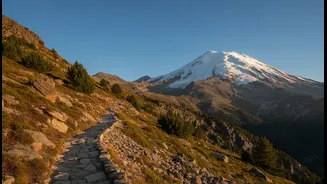
Pilgrims have two main routes to reach the holy cave: the traditional Pahalgam route and the shorter Baltal route. The Pahalgam route is longer, spanning about 45-48 kilometres, and typically takes 3-5 days to complete. It is known for its scenic beauty and gradual ascent, making it more suitable for first-timers, families, and senior citizens. The Baltal route is much shorter, around 14 kilometres, and can be completed in 1-2 days. However, it is significantly steeper and more arduous, recommended for those who are physically very fit and short on time. Your choice of route must be specified during registration and will determine your journey's duration and difficulty.
Pack Smart and Light
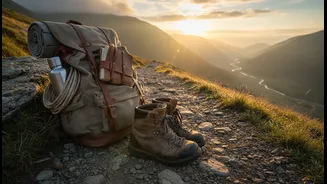
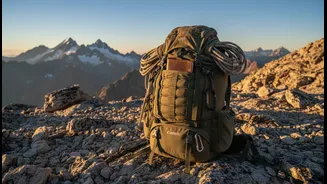
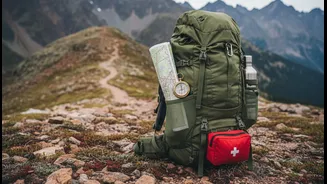
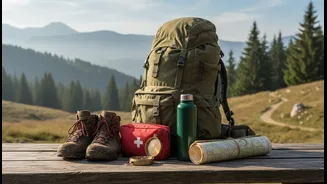
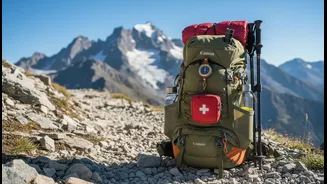
Given the unpredictable mountain weather, packing correctly is vital. Layering is the key. Your backpack should include thermal innerwear, warm fleece jackets, and a waterproof and windproof outer layer. A woollen cap, gloves, and multiple pairs of warm socks are non-negotiable. Choose sturdy, waterproof trekking shoes with good grip; do not attempt the trek in slippers or standard walking shoes. Other essentials include a small first-aid kit with your personal medications, painkillers, bandages, and medicines for altitude sickness. Carry sunscreen, sunglasses, a torch with extra batteries, a power bank, and a reusable water bottle. Pack light, as you will be carrying your own bag or hiring a porter.
Essential Do's and Don'ts on the Trail
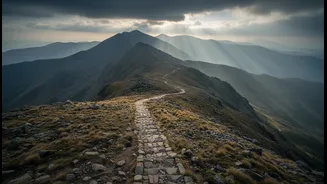
To ensure a safe journey, always follow the official guidelines. Do walk at a steady pace and take regular breaks to acclimatise; do not overexert yourself. Stay hydrated by drinking plenty of water, around 5 litres a day, and consume carbohydrates to maintain energy levels. Always travel in a group and keep your porters or ponies within sight. Don't take any shortcuts, as they can be dangerous. Stick to the marked path and pay attention to warning signs. Respect the environment by not littering and avoiding the use of plastics. Consumption of alcohol or caffeinated drinks is strictly forbidden as it can worsen dehydration and altitude sickness. Finally, women are advised to wear salwar kameez or tracksuits instead of sarees for comfort and safety during the trek.