

Why Heavy Rain Is a Problem
While rain is essential for plant life, the high-volume, intense downpours common in India can be devastating for container gardens. Unlike plants in the ground, balcony plants are confined to pots with limited drainage. Excessive rain quickly saturates
the soil, leaving no room for oxygen. This leads to a host of problems, including root rot, a fungal disease that can quickly kill a plant. Heavy rain also physically damages delicate leaves and flowers, washes away essential nutrients from the soil, and can even dislodge entire plants from their pots. Succulents and other plants adapted to drier conditions are particularly vulnerable to rotting in these wet conditions.
The Solution: Modular Rain Shields
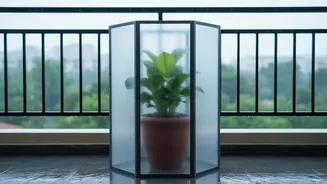
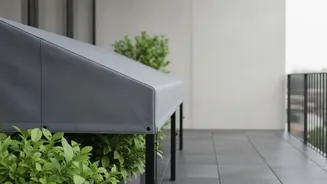
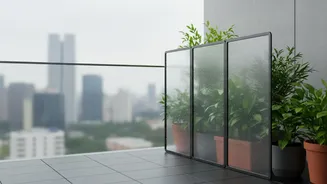
Enter the concept of rain shields—a simple yet effective way to control the amount of water your plants receive. The term can refer to a variety of solutions, from commercially available products to clever DIY creations. The 'modular' aspect implies systems that are flexible, adjustable, and can be configured to fit different balcony sizes and plant arrangements. These shields act like a targeted roof or umbrella for your pots, deflecting the deluge while still allowing for air circulation and ambient light. This prevents the soil from becoming a soggy mess, giving you control over your plants' watering schedule even during the wettest months.
Types of Rain Protection
While you might not find a single product named "modular rain shield" at every nursery, the principle is widely applied. Some gardeners use clear vinyl patio enclosures or awnings to create a permanent, sheltered zone. Others look to products like 'Shade-A-Rella', which are essentially small, adjustable umbrellas designed to protect individual plants from harsh sun but can be repurposed for rain. The most common approach, however, involves DIY solutions. Using materials like clear plastic sheeting, acrylic panels, or even sturdy tarps stretched over a frame, you can build a custom cover. These frames can be made from PVC pipes, bamboo stakes, or modular shelving units, allowing you to create a protective structure that perfectly fits your space.
Smart DIY Alternatives
You don't need a complex setup to shield your plants. A quick, temporary solution can be as simple as placing an inverted bucket or a large plastic storage bin over vulnerable plants during a downpour. For a more structured approach, you can create a simple cover using old plastic trays, taping them together to form a lid that sits atop your pot. Some resourceful gardeners have even fashioned effective covers from garbage bags or old placemats. The key is to ensure the cover is secure enough to withstand wind and allows for ventilation to prevent humidity from building up, which could encourage fungal growth.
Beyond Shields: Essential Rainy Season Care
Shielding your plants is just one part of the strategy. Good drainage is non-negotiable. Ensure every pot has drainage holes and that they aren't clogged. Elevating your pots using small tiles, bottle caps, or pot feet allows water to escape freely and prevents the base from sitting in a puddle. During the monsoon, reduce your manual watering schedule significantly; only water when the top inch of soil feels dry. Finally, avoid overcrowding your plants. Good air circulation is crucial for helping foliage dry off quickly after a shower, which helps prevent the spread of fungal diseases that thrive in damp conditions. Grouping pots can offer some mutual protection, but leave enough space for air to move.