




Choose Your Fabrics Wisely
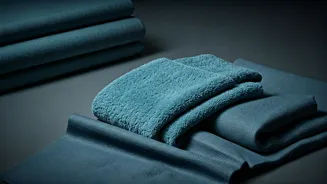
The single most important decision you'll make during the monsoon is your choice of fabric. The high humidity and frequent downpours mean you need materials that are breathable and quick-drying. Fine cotton is a classic winner; it's light, allows air
circulation, and doesn't take forever to dry. Other excellent choices include rayon, which feels soft and dries faster than cotton, and crepe or georgette, which tend to repel water and not cling to the body. Fabrics to avoid at all costs are heavy denim, leather, and silk, as they absorb water, become heavy, and can take hours or even days to dry completely, often developing a musty odour. Many brands are now also offering cotton-polyester or other synthetic blends that are specifically designed to be wrinkle-resistant and dry quickly.
Embrace Vibrant Colours
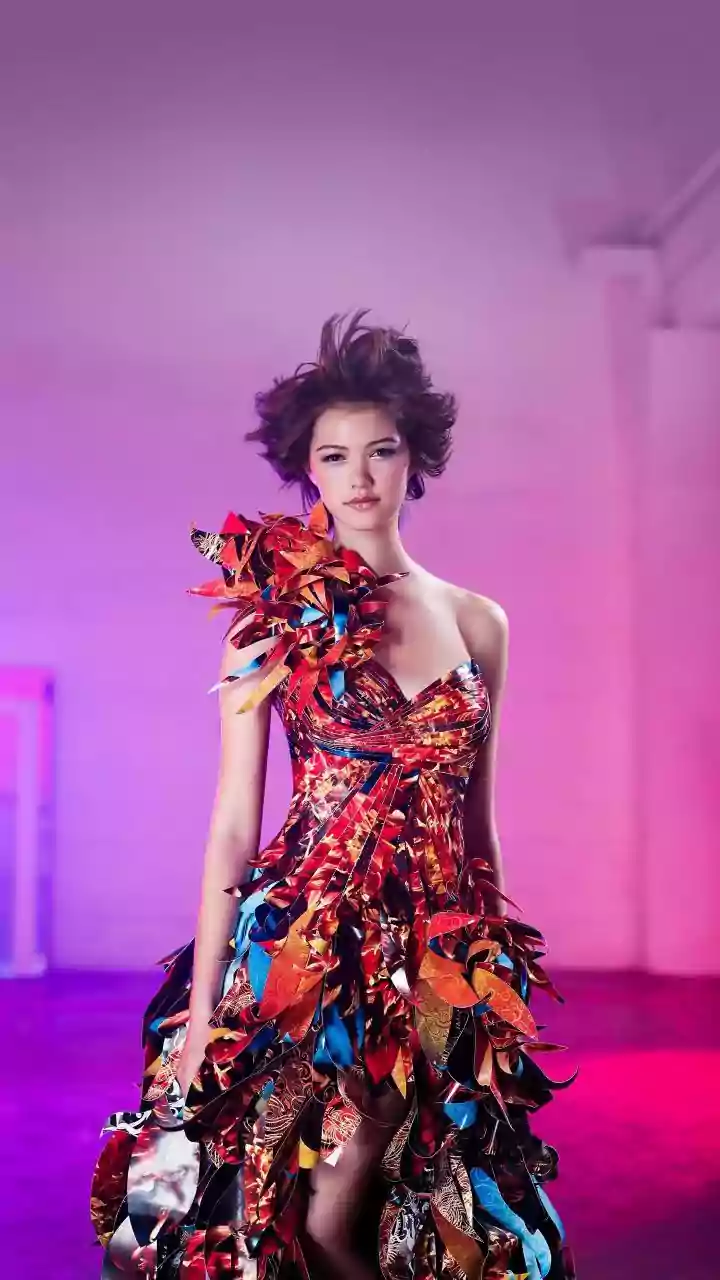
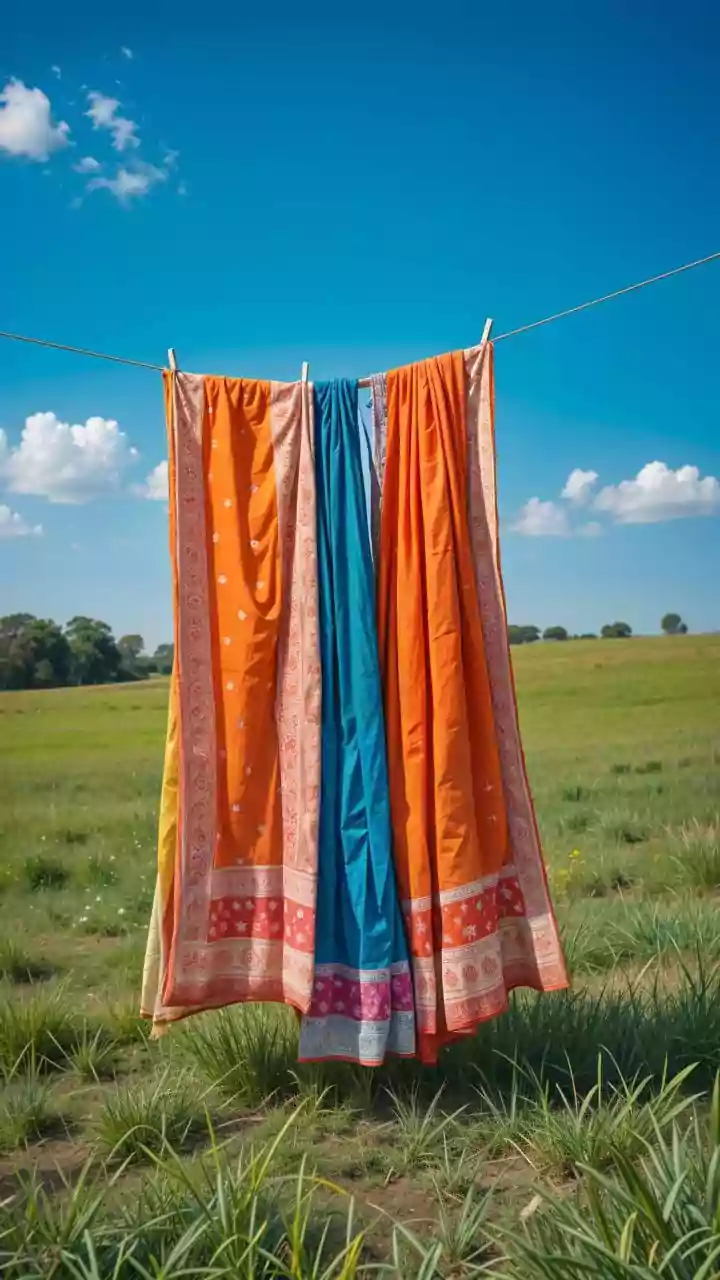
Grey skies don't have to mean a gloomy wardrobe. In fact, the monsoon is the perfect excuse to inject some bold, vibrant colours into your daily wear. Shades like canary yellow, fuchsia, cobalt blue, and emerald green not only stand out beautifully against an overcast backdrop but also have a practical advantage: they are great at hiding mud splashes and water marks. Floral and abstract prints serve a similar purpose, masking stains while adding a cheerful element to your look. While it might be tempting to stick to dark colours, a pop of a bright hue can lift your spirits and make a stylish statement. Don't be afraid to be your own sunshine on a cloudy day.
Rethink Your Bottom Wear
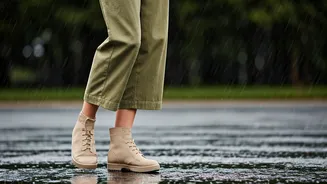
Navigating waterlogged streets and muddy puddles is a daily monsoon reality, which makes floor-length trousers and flowing skirts impractical. This is the season to embrace shorter hemlines. Culottes, cropped pants, cigarette trousers, and shorts are your best friends. They end above the ankle, saving you from the hassle of soaked and dirty hems. Midi dresses and skirts are also fantastic options, offering a feminine silhouette without the risk of dragging through puddles. For ethnic wear, consider shorter kurtis paired with leggings or ankle-length palazzos. The key is to keep fabrics light and the length practical.
The Right Footwear is Crucial
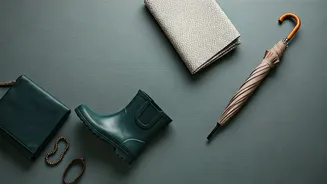
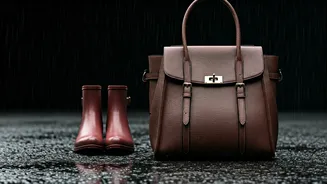
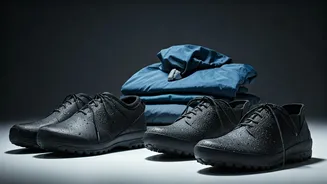
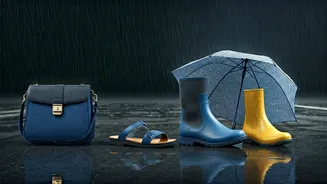
The wrong shoes can completely ruin your day during the monsoon. Leather and suede are an absolute no, as water will permanently damage them. Instead, opt for footwear made from rubber, PVC, or other waterproof materials. Colourful rubber boots, stylish floaters, and jelly sandals are excellent choices that are both functional and fashionable. When choosing footwear, prioritize a good grip to avoid slipping on wet surfaces. Anti-skid sandals and PVC flats are reliable options for daily commutes. If you must wear something more formal, look for waterproof loafers or sandals with sturdy rubber soles.
Accessorise for the Elements
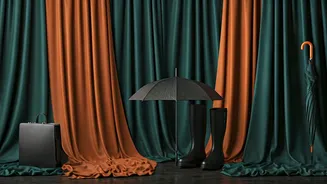
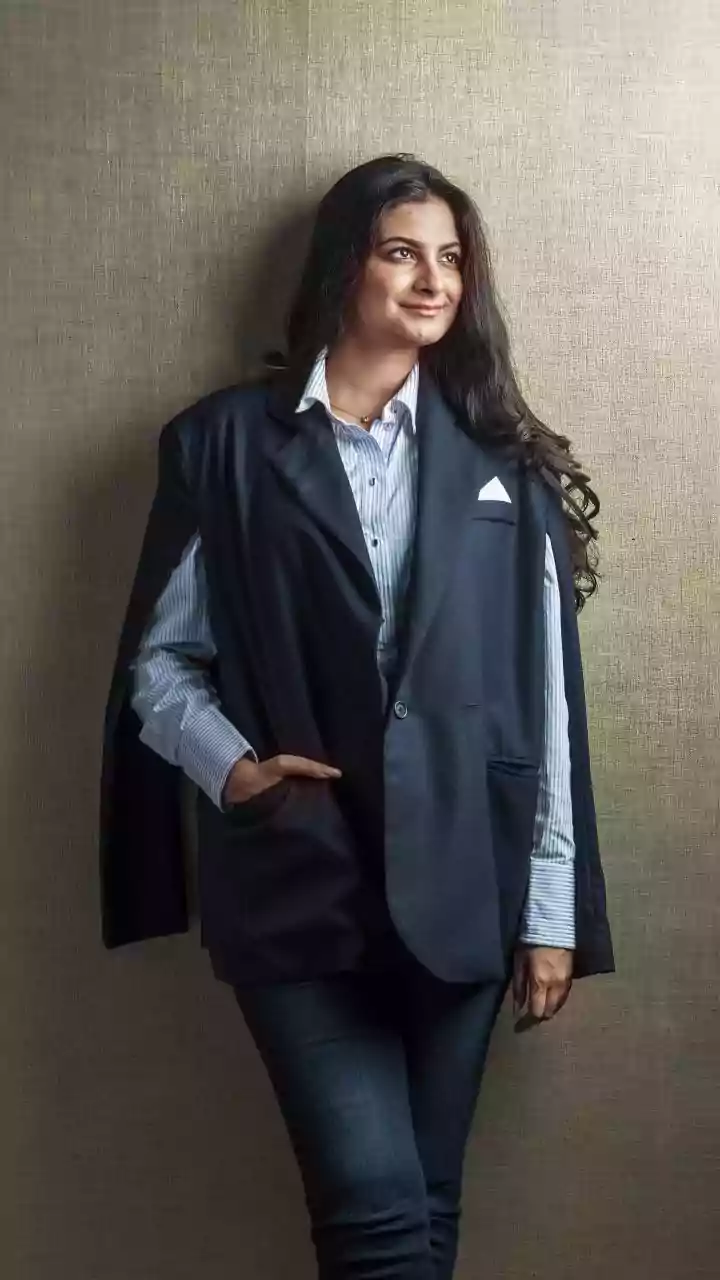
Monsoon accessories are all about functionality with a stylish twist. Swap your beloved leather handbag for a waterproof tote or a nylon backpack to keep your essentials safe and dry. A chic, sturdy umbrella can be more than just a utility item; consider it a fashion statement. Look for compact, foldable umbrellas that can easily fit into your bag. When it comes to jewellery, it's best to keep it minimal. Heavy metallic pieces can react with the humidity, so opt for simple, waterproof items. A stylish, lightweight waterproof jacket or trench coat is also a great investment, offering protection without sacrificing your outfit underneath.
Master Your Monsoon Beauty Routine
Humidity is the arch-nemesis of perfectly styled hair and makeup. To combat frizz, consider tying your hair up in a chic bun, a high ponytail, or a braid. Using an anti-frizz serum can also work wonders. For makeup, the key is to go minimal and waterproof. A light BB cream, waterproof mascara, and a tinted lip balm are often all you need to look fresh-faced. Avoid heavy foundations and powders that can feel cakey and melt in the humidity. Keeping a pack of blotting papers handy can help manage oiliness through the day, ensuring you look put-together, not sticky.