






What Exactly Is a 'Cool-cation'?
At its heart, a 'cool-cation' is exactly what it sounds like: a vacation planned specifically to escape extreme heat for a destination with a milder, more comfortable climate. The term, first popularised by Condé Nast Traveller, describes a behavioural
shift where the primary goal of a holiday is no longer just sightseeing, but seeking refuge from soaring temperatures. For years, a summer holiday meant chasing the sun. Now, for a growing number of people in India and around the world, it means running away from it. This isn't just about avoiding a little discomfort; it's a response to increasingly frequent and intense heatwaves that are making traditional summer destinations unbearable. The trend reflects a priority shift from 'hotspots' to 'cool spots.'
The Climate Change Connection
The driving force behind the cool-cation trend is undeniable: climate change. With global temperatures rising and heatwaves becoming more severe, many parts of India are experiencing record-breaking heat. Cities that once cooled down at night are now retaining heat, offering little respite and increasing health risks. This sustained heat is altering travel patterns significantly. Tourist footfall in perennially popular but hot destinations has seen a dip, as people are no longer willing to brave scorching daytime temperatures. This isn't just a matter of preference; it's a health and safety concern. The decision to seek out cooler climates is becoming less of a luxury and more of a necessity for many, especially families.
From Mountains to International Escapes
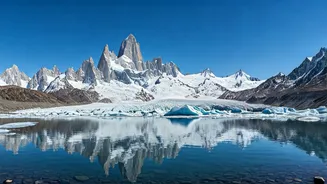
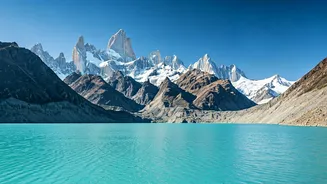
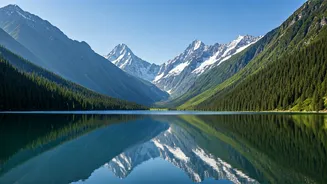
So, where is everyone going? In India, the beneficiaries of this trend are overwhelmingly the mountain states. Destinations like Leh, Manali, Kasol, and McLeod Ganj have seen a huge spike in accommodation searches, particularly from residents of heat-struck metro cities like Delhi and Mumbai. According to travel platform Agoda, searches for Leh in Ladakh witnessed a staggering 143% increase as travellers seek its high-altitude trekking routes and cooler air. It's not just domestic travel, either. Those with bigger budgets are looking at international destinations known for their milder summers. Countries like Switzerland, Norway, Iceland, and even Japan are seeing a surge in interest from Indian travellers looking to escape the heat.
The Double-Edged Sword of Overtourism
While the cool-cation boom is a welcome economic boost for many cooler regions, it comes with significant challenges. The sudden influx of tourists is putting immense pressure on the fragile ecosystems of these destinations, particularly in the Himalayas. Increased construction, vehicle emissions, and waste generation can accelerate local warming and environmental damage. Authorities and residents in places like Ooty, which itself has seen record-high temperatures, are now grappling with the threat of overtourism. The very thing that makes these places attractive—their pristine, cool environment—is at risk from the sheer volume of visitors. This raises urgent questions about sustainable tourism policies and the capacity of these destinations to handle their newfound popularity without destroying their natural charm.
The Future of Summer Travel
The rise of the cool-cation is more than just a fleeting trend; it signals a fundamental and likely permanent shift in how we think about travel. As climate change continues to reshape our world, our travel choices will increasingly be dictated by weather and comfort. People are already becoming more selective about where and when they travel, with a growing number opting for shoulder seasons like spring and autumn to avoid peak heat. The desire for unique experiences, avoiding crowds, and ensuring well-being are all merging with the urgent need to escape extreme weather. This trend is not just about finding a cool place to relax; it's about adapting to a new reality and fundamentally reassessing what makes a destination desirable in a warming world.