






The 'Eighth Wonder of the World'
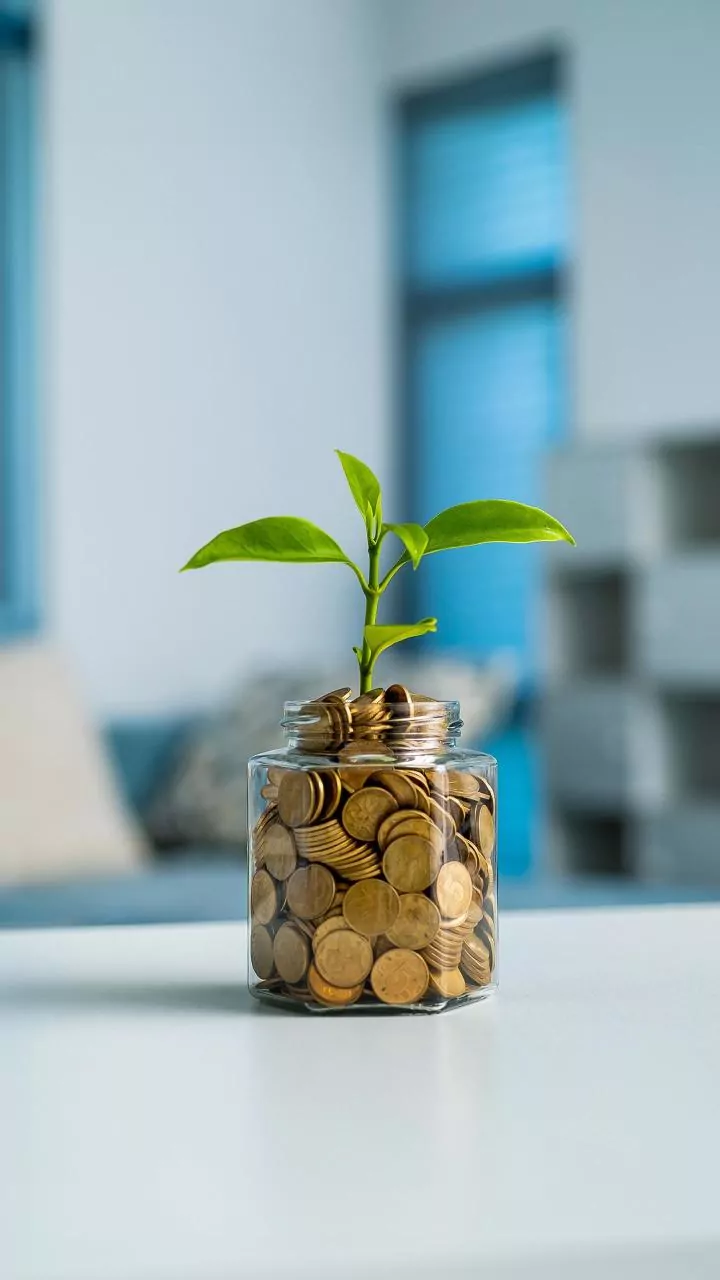
Compounding is a simple yet powerful concept, once reportedly called the 'eighth wonder of the world' by Albert Einstein. In essence, it's the process of earning returns not just on your original investment, but also on the accumulated returns. Think
of it like a snowball rolling downhill. It starts small, but as it rolls, it picks up more snow, getting bigger and faster. In financial terms, your initial investment is the small snowball. The interest or returns it earns is the first layer of new snow. The next year, you earn returns on a slightly bigger snowball—your original money plus the first year's gains. This cycle repeats, causing your investment to grow at an accelerating rate over the long term. Simple interest, by contrast, only pays returns on your initial principal, resulting in slow, linear growth.
Time Is More Powerful Than Money
The single most crucial ingredient for compounding is a long time horizon. This is where young earners have an unbeatable edge. Starting to invest early, even with small amounts, can lead to a much larger corpus than investing larger sums later in life. Let’s consider a hypothetical example. An investor who starts at age 25 by investing ₹10,000 a month for 10 years and then stops, could still end up with a larger retirement fund than someone who starts at 35 but invests the same amount every month until retirement. The first investor's money simply had more time to work, with decades of uninterrupted compounding doing the heavy lifting. The key takeaway is that the amount you invest is often less important than when you start.
Small, Consistent Steps Win the Race
A common reason young people delay investing is the feeling that they don't earn enough to make a difference. But the power of compounding shows that consistency trumps volume. You don't need a large lump sum to begin. Thanks to instruments like Systematic Investment Plans (SIPs) in mutual funds, you can start with as little as ₹500 a month. Automating small, regular investments builds financial discipline and ensures you are consistently putting your money to work. This disciplined approach allows you to benefit from compounding without feeling a significant pinch in your monthly budget. Over decades, these modest but regular contributions can grow into a surprisingly large amount, proving that it's the habit, not the initial amount, that builds wealth.
How to Get Your Snowball Rolling
Putting compounding into practice in India is more accessible than ever. For many, the journey begins with their first salary through the Employees' Provident Fund (EPF), which automatically saves for retirement. Beyond that, there are several avenues to explore. Public Provident Fund (PPF) is a government-backed, long-term savings scheme offering stable returns. For those willing to take on market-linked risk for potentially higher growth, mutual funds via SIPs are a popular starting point. These allow you to invest in a diversified portfolio of stocks or debt instruments. Other options include Fixed Deposits (FDs) for predictable returns on shorter-term goals. The key is to align your choice with your financial goals, risk tolerance, and time horizon.








