



The Universe Inside Your Gut
Your digestive system is home to a bustling community of trillions of microorganisms, collectively known as the gut microbiome. This internal ecosystem, composed of bacteria, viruses, and fungi, is crucial for your overall health. It aids digestion, absorbs
nutrients, supports your immune system, and even influences your mood. A key indicator of a healthy gut is diversity—having a wide variety of different beneficial microbes. When this ecosystem is balanced and diverse, your body functions more efficiently. However, factors like stress, poor diet, and antibiotics can disrupt this balance, leading to issues like bloating and indigestion.
The Ancient Magic of Fermentation
Fermentation is a natural process where microorganisms like bacteria and yeast break down sugars and starches in food. This transformation doesn't just preserve the food; it fundamentally enhances its nutritional profile. As these microbes work, they produce beneficial compounds, including probiotics—live, healthy bacteria that can enrich your gut microbiome. A diet rich in fermented foods has been shown to increase the diversity of gut microbes and can help decrease molecular signs of inflammation in the body. This age-old technique essentially turns simple ingredients into functional foods that actively support your well-being.
Idli: A Fermented Superfood
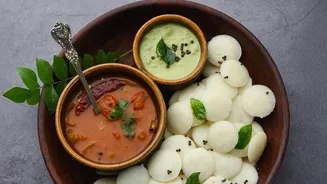
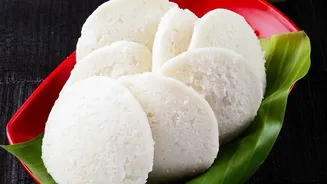
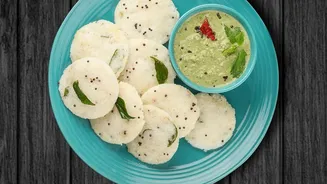
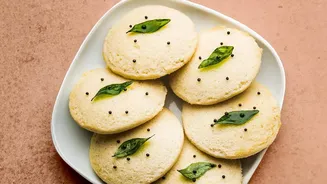
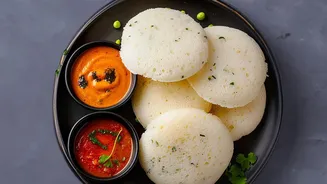
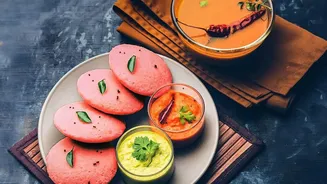
Idli is a perfect example of fermentation at its best. The batter, made from a simple mixture of soaked rice and urad dal (black lentils), is left to ferment overnight. During this time, naturally present lactic acid bacteria, including strains like Lactobacillus, get to work. They consume the starches, producing carbon dioxide that gives idli its characteristic soft, fluffy texture. More importantly, this process populates the batter with beneficial microbes. While the heat from steaming inactivates these live bacteria, the benefits of their work remain, making idli a potent food for gut health. The fermentation also synthesizes essential B vitamins, such as B1, B2, and B9 (Folic Acid), boosting the overall nutritional value.
Making Digestion Easier
One of the most significant advantages of fermented foods is that they are 'pre-digested'. The bacteria in the idli batter break down complex carbohydrates and proteins into smaller, simpler molecules. This means your digestive system has less work to do, leading to smoother digestion and reducing common issues like bloating or heaviness. Furthermore, fermentation neutralizes 'anti-nutrients' like phytic acid, which are naturally present in grains and legumes. Phytic acid can block the absorption of vital minerals such as iron, zinc, and calcium. By breaking it down, fermentation makes these minerals more bioavailable, meaning your body can absorb and use them more effectively.
Beyond the Idli
The benefits of fermentation are not limited to idli. Indian cuisine is rich with gut-friendly fermented dishes that have been part of our tradition for centuries. Dosa, made from a similar fermented batter, offers many of the same advantages. Dhokla, a savoury snack from Gujarat, is made from fermented gram flour and is also light and easy to digest. And of course, there is dahi (curd), a staple in almost every household and one of the best-known sources of natural probiotics. Other traditional preparations like kanji (a fermented carrot drink) and homemade pickles (achar) also contribute beneficial bacteria to your diet, supporting a healthy digestive system.