


The Great Air Purifier Debate
One of the most persistent claims about houseplants is their ability to scrub the air clean of toxins. This idea stems from a well-known 1989 NASA study which found that certain plants could remove volatile organic compounds (VOCs) like benzene and formaldehyde
from the air. The catch? These experiments were conducted in small, sealed laboratory chambers, a setting that bears little resemblance to the average home or office. More recent analyses have concluded that you would need a jungle-like density of plants—some estimates suggest hundreds or even thousands in a single room—to make a noticeable impact on indoor air quality. While plants do absorb carbon dioxide and release oxygen, don't count on a few potted friends to substitute for good ventilation. The verdict is that their air-purifying effect in a typical house is negligible.
A Genuine Boost for Your Brain
While the air quality claims are overblown, the psychological benefits are very real and well-documented. Numerous studies show that interacting with indoor plants can lower stress, reduce anxiety, and improve your mood. One study published in the Journal of Physiological Anthropology found that participants who engaged in transplanting a plant showed a decrease in blood pressure and reported feeling more comfortable and soothed compared to those performing a computer task. This is linked to the suppression of the sympathetic nervous system, which governs our stress response. Experts believe our innate connection to nature, a concept known as biophilia, plays a huge role. Simply having greenery around can make us feel calmer, more focused, and happier, which is why plants are increasingly common in offices and even hospitals to aid recovery.
More Than Just Good Looks
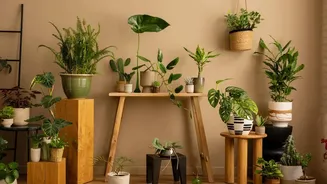
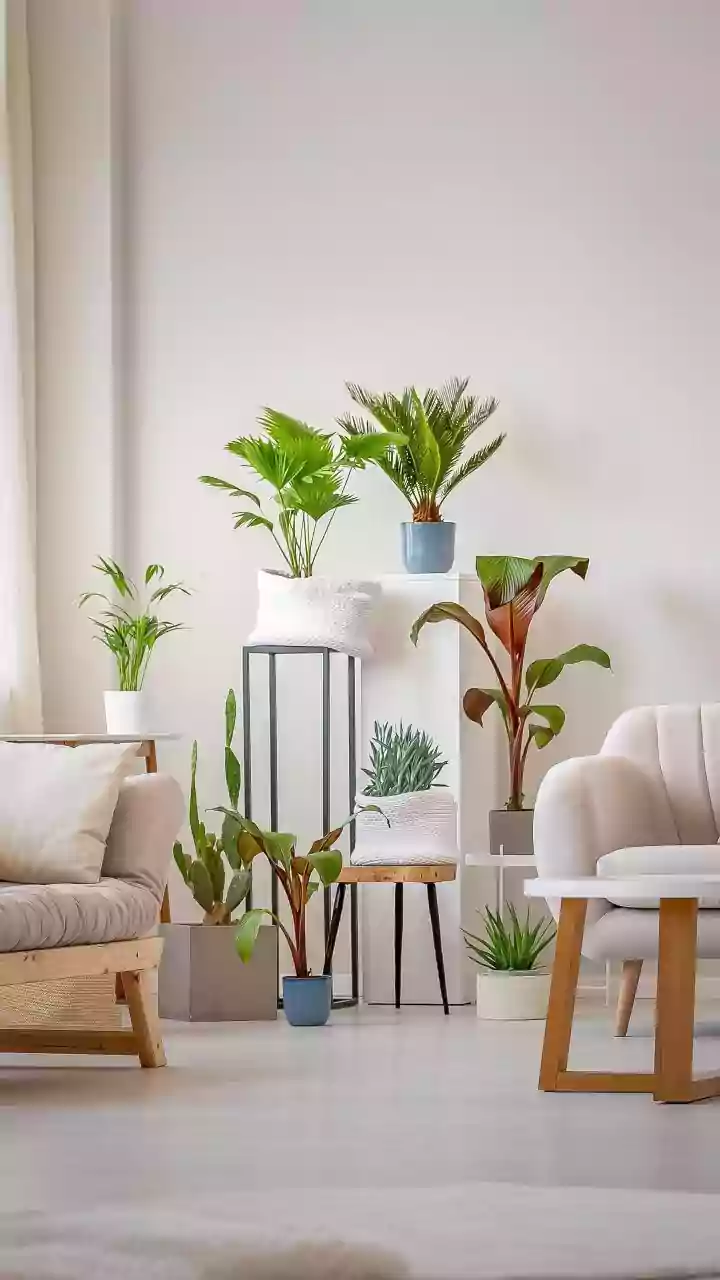
Beyond the aesthetic appeal and mental uplift, houseplants offer other subtle but tangible advantages. One significant benefit is their ability to increase humidity. Through a process called transpiration, plants release water vapor from their leaves. Grouping several plants together can create a small humid microclimate. This is especially helpful during dry winter months, potentially easing issues like dry skin and scratchy throats. Many popular houseplants, such as ferns and orchids, are tropical in origin and thrive in higher humidity, making them natural humidifiers. Of course, plants are also a fantastic design element. They add life, texture, and color to a room, softening hard lines and creating a more dynamic and inviting space. They are living decor that evolves over time, offering a sense of connection and accomplishment as you watch them grow.
Finding a Healthy Perspective
The key to a happy relationship with your houseplants is to appreciate them for what they are, not what you wish they were. Instead of viewing them as powerful air-cleaning machines, see them as living companions that require care and attention. The real reward often comes from the act of nurturing itself—the routine of watering, the satisfaction of seeing a new leaf unfurl, and the patience learned along the way. This interaction is where many of the mental health benefits originate. Choosing the right plant for your environment and lifestyle is crucial. A sun-loving succulent won't thrive in a dark corner, and a moisture-loving fern will struggle in a dry room without extra help. By setting realistic expectations, you can avoid the disappointment of a struggling plant and instead enjoy the simple, proven joys that greenery brings into your home.