



1. Savoury Arrowroot Flatbreads
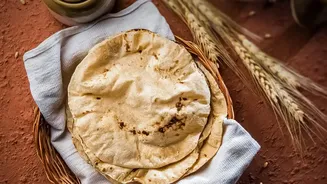
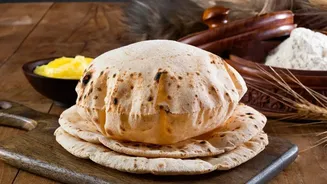
The star of our list is the savoury flatbread, a simple recipe that highlights arrowroot's unique properties. Unlike wheat flour, arrowroot creates a bread that is delightfully crispy on the outside with a satisfyingly chewy interior. Because it's gluten-free
and grain-free, it's an excellent choice for those with dietary sensitivities. To make these, simply combine one cup of arrowroot flour, one cup of cassava flour, and a can of full-fat coconut milk. Whisk until smooth, adding salt or herbs like rosemary and garlic for extra flavour. Heat a non-stick or cast-iron skillet over medium heat, pour in about a quarter cup of the batter, and cook for 3-5 minutes per side until it gets crispy and lightly browned. These flatbreads are incredibly versatile and perfect for serving with curries, dips, or as a wrap.
2. The Crispiest Chicken Coating
Forget heavy batters; arrowroot flour provides an incredibly light and crispy coating for fried foods. It has a finer texture than cornstarch and doesn't absorb as much oil, resulting in a less greasy finish. For delicious gluten-free chicken nuggets, start by cutting chicken breasts into bite-sized pieces. In a shallow bowl, mix half a cup of arrowroot flour with seasonings like paprika, garlic powder, salt, and pepper. Coat the chicken pieces in the mixture and pan-fry them in a skillet with hot coconut or avocado oil for about 5-7 minutes, flipping halfway through, until golden and cooked through. The result is a satisfyingly crunchy exterior that keeps the chicken inside juicy and tender.
3. A Superior Sauce and Gravy Thickener
Arrowroot is a fantastic alternative to cornstarch or wheat flour for thickening sauces, soups, and gravies. It has twice the thickening power of wheat flour and creates a beautiful, glossy finish without making sauces cloudy or adding a starchy taste. Unlike cornstarch, it also holds up well in acidic recipes and freezes without becoming spongy. The trick is to create a 'slurry' by mixing one part arrowroot powder with two parts cold water before adding it to your hot liquid. Whisk it in at the end of cooking and heat just until it thickens; overcooking can cause it to lose its thickening power.
4. Light and Airy Chocolate Pudding
This ingredient isn't just for savoury dishes. Its ability to create a smooth, silky texture makes it ideal for desserts like custards and puddings. For a simple and creamy chocolate pudding, start by making a slurry with a quarter cup of arrowroot powder and a little cold milk. In a saucepan, gently heat two cups of milk (dairy or plant-based), a third of a cup of sugar, and a quarter cup of cocoa powder, whisking until smooth. Gradually whisk in the arrowroot slurry and continue to stir over medium-low heat until it thickens, which only takes a few minutes. Remove from the heat, stir in vanilla extract, and pour into serving dishes to cool. The arrowroot ensures a perfectly smooth consistency every time.
5. Simple Gluten-Free Cookies
In gluten-free baking, arrowroot helps lighten the texture of baked goods, preventing them from becoming too dense. These simple arrowroot cookies are a perfect example. In one bowl, mix one and a quarter cups of arrowroot flour with a quarter cup of powdered sugar and a pinch of salt. In a separate small bowl, whisk together one egg and one egg yolk, a quarter cup of melted butter, and a half teaspoon of vanilla extract. Combine the wet and dry ingredients and mix well. If the dough is too stiff, add a teaspoon of milk at a time until it's workable. You can then use a cookie press or drop spoonfuls onto a baking sheet and bake at 150°C for about 12-15 minutes until the edges are golden.