




Why Ticks Thrive in the Monsoon
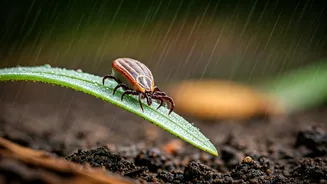
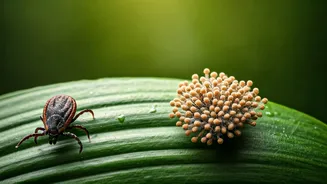
While ticks can be a year-round menace, the monsoon season is their prime time. The combination of high humidity and moderate temperatures creates the perfect breeding ground for these parasites. During the rains, vegetation like grass and shrubs grows
wild and dense, providing ticks with the ideal environment to hide and wait for an unsuspecting host—your dog or cat—to pass by. After a walk through a park or even a small patch of grass, your pet can easily bring these blood-sucking arachnids home. They latch on, often in hard-to-see places like between the toes, inside the ears, or under the collar.
Your Tick Prevention Checklist
Prevention is far better than cure. Start by using a vet-recommended tick and flea treatment. Options include monthly spot-on liquids, anti-tick collars, or oral tablets. These products are highly effective at killing ticks or preventing them from latching on. Secondly, make post-walk checks a non-negotiable routine. Run your fingers through your pet’s coat, feeling for any small bumps. Pay close attention to warm, dark areas. If you find a tick, remove it carefully with tweezers, grabbing it as close to the skin as possible and pulling straight out without twisting. Finally, keep your environment clean. Trim the grass in your garden and consider using pet-safe pest control in your compound to reduce the tick population.
Beyond the Bite: The Danger of Tick Fever
A tick bite is more than just an itchy irritation; it can transmit dangerous diseases, collectively known as 'tick fever'. In India, the most common forms are Babesiosis and Ehrlichiosis. These diseases attack your pet's red blood cells or platelets, leading to serious health complications. The symptoms can be subtle at first but are crucial to recognise. Watch out for recurring fever, lethargy, loss of appetite, pale gums, and unusual bleeding or bruising. If you notice any of these signs, especially after finding a tick on your pet, it is critical to see a veterinarian immediately for blood tests and treatment.
The Fungal Foe: Dampness and Skin Infections
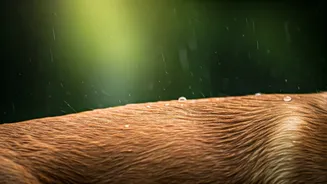
The other major villain of the monsoon is fungus. The constant dampness in the air and on the ground means your pet’s coat and skin may never be completely dry. This persistent moisture creates the perfect environment for fungal spores to multiply, leading to nasty skin infections. The most common culprits are ringworm (a fungus, not a worm) and Malassezia, a type of yeast. These infections thrive in skin folds, between paw pads, and under the tail—areas that trap moisture and don’t get enough air circulation. Pets with long coats or those with pre-existing skin allergies are particularly susceptible.
Identifying a Fungal Problem
Fungal infections manifest in ways that cause significant discomfort for your pet. The most obvious sign is intense itching, which may lead your pet to scratch, lick, or chew the affected area relentlessly. Look for circular patches of hair loss, red and inflamed skin, crusty or scaly lesions, and sometimes a distinct musty odour. Their paws might become red and swollen from constantly licking them. Unlike a flea bite, which is a specific spot, a fungal infection often covers a larger, more irritated patch of skin. Early detection is key to preventing the infection from spreading and becoming more difficult to treat.
How to Keep Your Pet Dry and Healthy
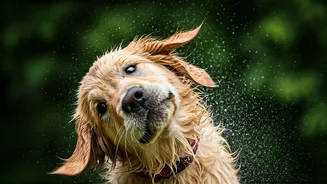
Keeping your pet dry is the number one rule for preventing fungal infections. After every walk in the rain, towel-dry your pet thoroughly. Use a hairdryer on a low, cool setting for pets with thick coats, ensuring their fur is dry right down to the skin. Pay special attention to their paws; wipe and dry them after every single outing. Regular grooming helps by improving air circulation to the skin. Consider using a vet-approved anti-fungal powder or shampoo as a preventive measure, especially for susceptible breeds. A clean, dry bed and living area also go a long way in keeping fungal spores at bay.