
A Return to Tradition
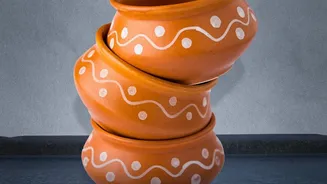
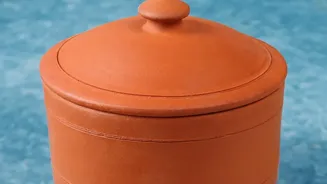
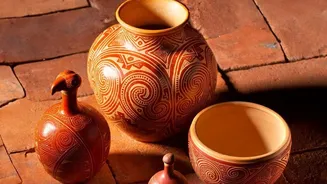
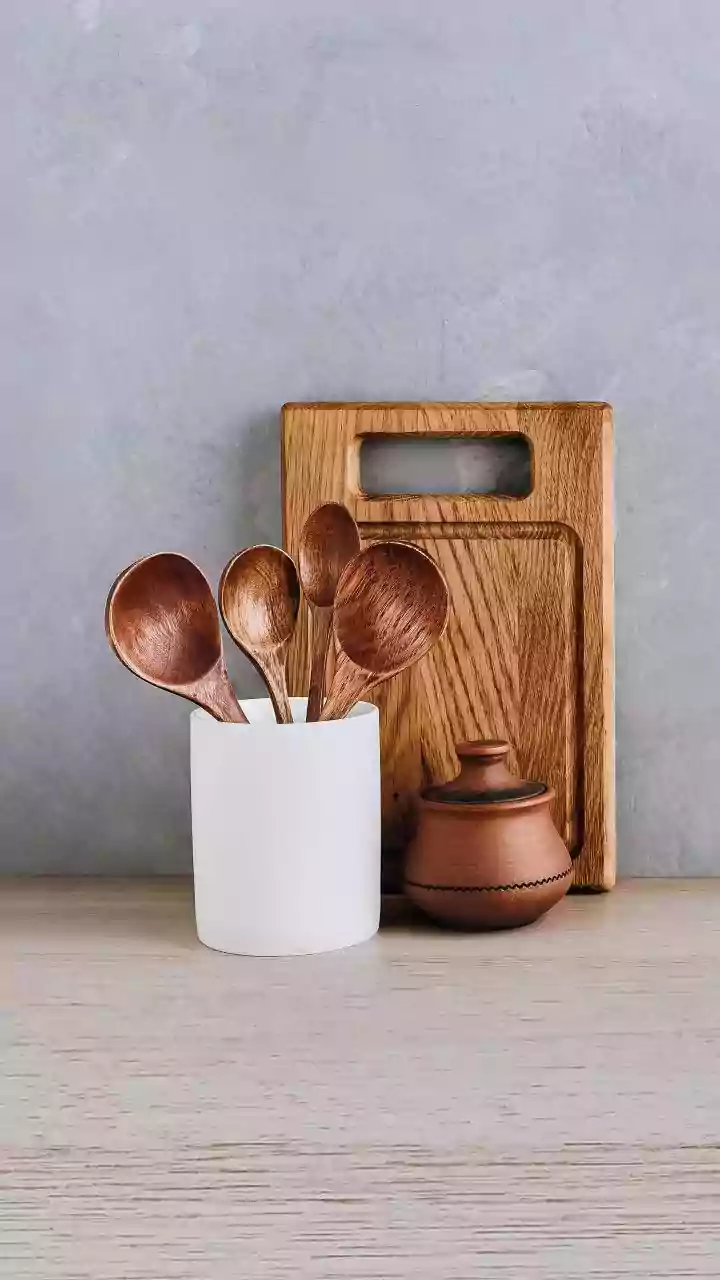
For centuries, clay pots have been a cornerstone of Indian cooking, known by names like 'handi' or 'matka'. This traditional cookware was prized not just for its function but for its ability to transform a dish. The modern revival of terracotta is about
more than just nostalgia; it’s a rediscovery of how the right vessel can fundamentally improve the food we cook and eat. By choosing earthenware, home cooks are tapping into a culinary practice that prioritizes slow, mindful preparation and rich, authentic flavours, connecting the contemporary dining table to a long and flavourful history.
The Secret to Deeper Flavour
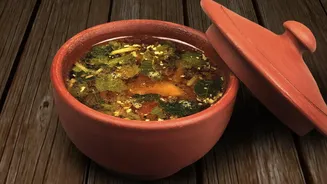
The primary reason chefs and home cooks are returning to clay is the unparalleled taste. Unlike metal pots that heat up quickly and can create hotspots, terracotta distributes heat gently and evenly. This slow-cooking process allows ingredients to release their aromas gradually, letting flavours meld and deepen in a way that faster methods can't replicate. The porous nature of clay is key; it allows the pot to breathe, retaining moisture and circulating steam, which keeps food tender and juicy. This self-basting effect means dishes stew in their own juices, resulting in a depth of flavour and a subtle, earthy note that is unique to clay pot cooking.
Healthier Cooking, Naturally
Beyond taste, terracotta offers significant health benefits. Its natural porosity and heat retention mean less oil is needed for cooking, making meals lower in fat. Clay is also naturally alkaline, which helps to neutralize the acidity in foods like tomatoes, making them easier to digest and balancing the overall pH of the meal. Furthermore, because the gentle cooking process preserves more of the essential vitamins and minerals in food, your meals are not just tastier but also more nutritious. Pure, unglazed terracotta is free from the harmful chemicals and toxins that can sometimes be found in synthetic non-stick coatings, ensuring a safer cooking experience.
From Kitchen to Table: Rustic Elegance
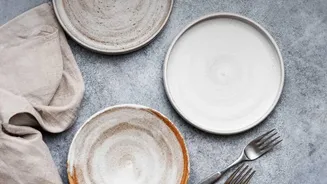
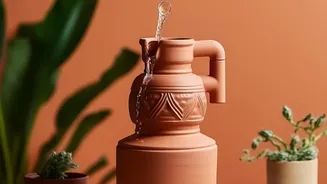
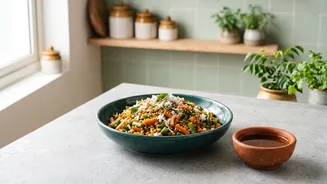
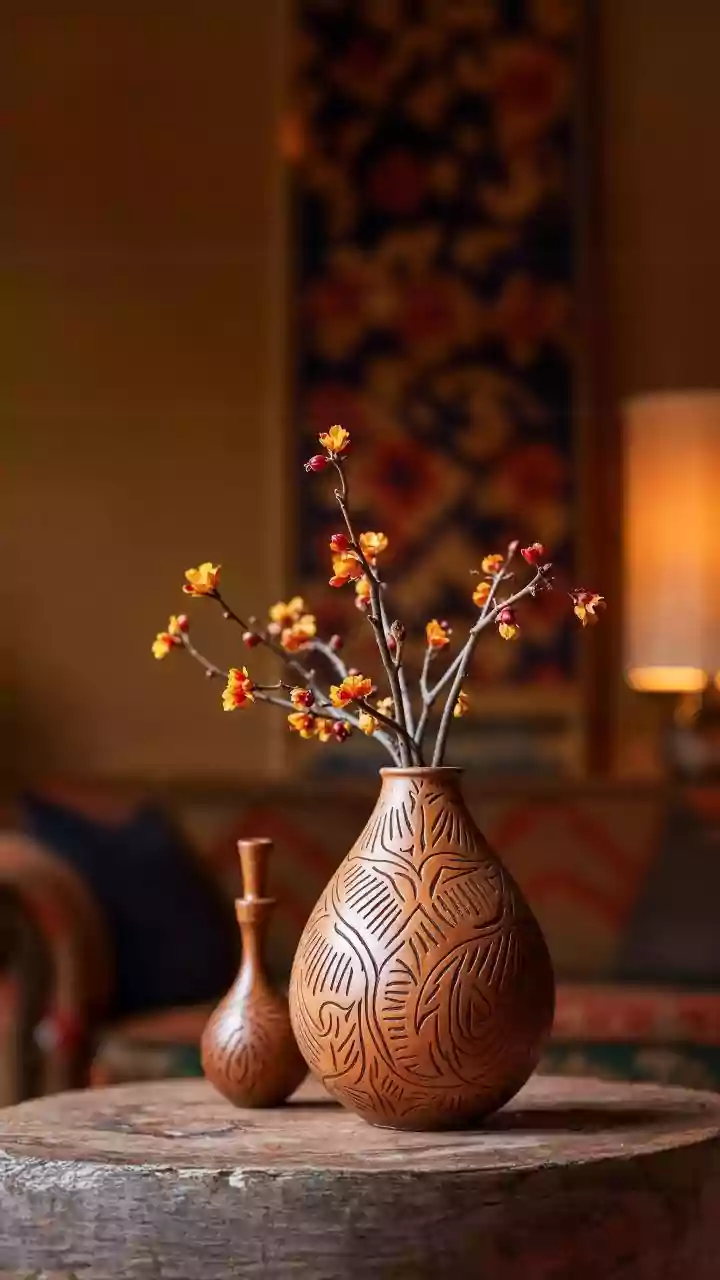
The appeal of terracotta extends beyond the cooking process to the dining table itself. The warm, earthy tones and matte texture of terracotta plates and bowls bring an immediate sense of rustic elegance to any meal. In a world of glossy, uniform dinnerware, the unique, slightly imperfect nature of handcrafted clay offers a grounding presence. It swaps a showroom feel for a lived-in sanctuary, making a simple weeknight dinner feel more like a special occasion. The material also has functional benefits for serving; it holds temperature well, keeping cool salads crisp and warm stews comforting for longer.
Caring for Your Earthenware
To get the most out of your terracotta, a little care is required. Before its first use, a new pot needs to be seasoned. This typically involves soaking it in water for several hours, which allows the porous clay to absorb moisture. This prevents the pot from cracking and helps create a natural, non-stick surface. When cooking, always start with a low heat and increase it gradually to avoid thermal shock. For cleaning, avoid harsh detergents that the clay can absorb. Instead, use hot water and a soft brush or baking soda for scrubbing. With proper care, your terracotta pieces will last for years, becoming a cherished part of your kitchen.