







Why Monsoon is a Gardener's Best Friend
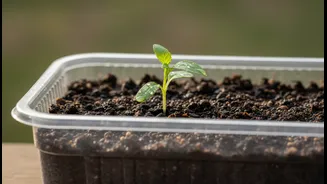
The rainy season provides a unique advantage for starting a garden. The consistent moisture from natural showers reduces the need for manual watering, saving both time and effort. Cooler temperatures, typically ranging from 20°C to 30°C, are ideal for seed
germination and help reduce stress on young plants. Furthermore, the high humidity helps plants with nutrient absorption, while the rain softens compacted soil, making it easier to prepare your pots and containers for planting. This combination of factors creates a nurturing environment where plants can establish strong roots and grow vigorously.
Your Essential Starter Kit
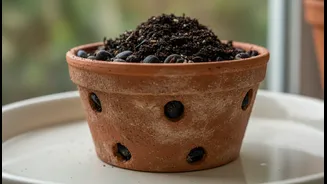
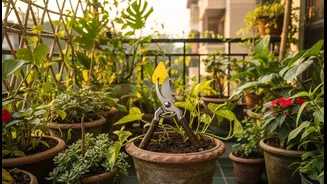
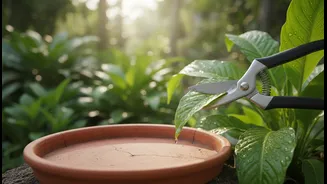
Before you begin, gather a few essential supplies. You will need containers, such as terracotta pots, recycled buckets, or lightweight grow bags, which are excellent for terraces due to their reduced weight. Ensure every container has drainage holes at the bottom to prevent waterlogging. You will also need a small trowel and a garden fork for handling soil. For climbing plants like gourds or beans, a trellis or support structure is necessary. Finally, consider getting a watering can for days when the rain takes a break. Having these items ready will make the planting process smooth and enjoyable.
The Perfect Potting Mix
Using the right soil is critical, especially during the monsoon. Heavy garden soil retains too much water and can lead to root rot. Instead, create a lightweight and well-draining potting mix. A reliable recipe is a combination of coco peat, vermicompost (or other well-rotted compost), and perlite or coarse sand. A common ratio is 40% coco peat, 30-40% compost, and the remainder as perlite or sand. This mixture holds enough moisture and nutrients while allowing excess water to drain away freely, which is crucial for healthy roots during the rainy season.
Choosing Your Monsoon Champions
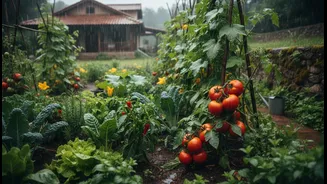
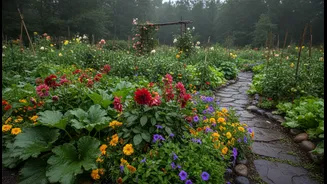
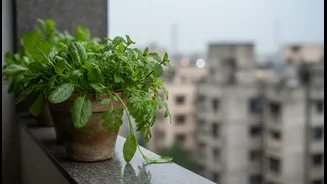
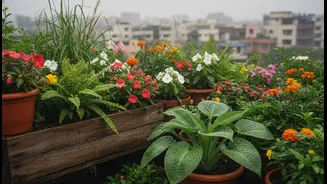
Many plants thrive when sown during the Indian monsoon. For vegetables, this is an excellent time for gourds like bottle gourd (lauki) and bitter gourd (karela), as well as okra (bhindi), cucumber, and beans. Leafy greens like spinach and amaranth also grow quickly in the moist conditions. If you enjoy herbs, mint and coriander are fantastic choices. For a splash of colour, consider flowers that love the rain, such as marigolds, hibiscus, balsam, and rain lilies. Starting with these hardy and season-appropriate plants increases your chances of a successful first harvest.
Managing Water and Drainage
While rain is a benefit, too much of a good thing can be a problem. The primary challenge during monsoon is preventing waterlogging. Always check that your pots have clear drainage holes. It's also a good practice to elevate your containers on bricks or plant stands to ensure water can escape and doesn't pool around the base. On days with heavy downpours, you won't need to water at all. On drier days, check the soil moisture by inserting a finger two inches deep; if it feels dry, it's time to water. This careful management prevents roots from suffocating.
Guarding Against Pests and Disease
The high humidity of the monsoon is an ideal breeding ground for pests like slugs and snails, as well as fungal diseases like powdery mildew. Prevention is the best strategy. Ensure good air circulation by not overcrowding your plants. Remove any weeds promptly, as they compete for nutrients and can harbour pests. A preventive spray of neem oil solution (5ml of oil mixed with a litre of water) every 10-14 days can keep many common pests and fungal issues at bay. Regularly inspecting your plants for any early signs of trouble will help you address issues before they spread.