






What Exactly Is Ambali?
Ambali is a traditional porridge-like drink originating from the southern states of India, especially Karnataka, Andhra Pradesh, and Telangana. For generations, it has been a nourishing staple for farmers, providing hydration and energy during hot summer
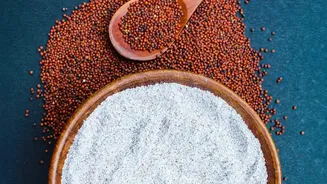
months. At its core, it’s a simple preparation: finger millet flour, known as ragi, is cooked with water to form a gruel. This mixture is then allowed to cool and ferment naturally, typically overnight. The fermentation process gives Ambali its characteristic slightly tangy and earthy flavour. Often, it's mixed with buttermilk or curd, salt, and sometimes seasoned with finely chopped onions, curry leaves, and green chillies, transforming it into a savoury, refreshing beverage.
The Powerhouse Grain: Finger Millet
The foundation of Ambali is ragi, a true superfood that has been cultivated in India for thousands of years. What makes ragi exceptional is its dense nutritional profile. It is one of the richest plant-based sources of calcium, boasting significantly more of the mineral than milk or wheat. This makes it crucial for bone health, especially for children and ageing adults. Furthermore, ragi is packed with dietary fibre, which aids digestion and promotes a feeling of fullness, potentially helping with weight management. It's also a good source of iron, essential amino acids, and is naturally gluten-free, making it suitable for those with gluten sensitivities.
The Magic of Fermentation for Gut Health
While ragi itself is nutritious, the fermentation process elevates Ambali to a new level of wellness. When the cooked millet porridge is left to ferment, naturally present microbes get to work. These beneficial bacteria, including Lactobacillus strains, are probiotics that help populate and balance your gut microbiome. A healthy gut microbiome is linked to improved digestion, a stronger immune system, and even better mental health. Fermentation also breaks down anti-nutrients like phytic acid found in grains, which can inhibit mineral absorption. By reducing these compounds, the process makes the calcium, iron, and other minerals in ragi more bioavailable for your body to use.
A Cultural Shift Back to Traditional Wellness
The renewed interest in Ambali isn't just about a single drink; it reflects a broader cultural shift. As people become more aware of the impact of processed foods, there's a growing movement towards traditional, natural, and time-tested remedies. Indian kitchens have a long history of using fermentation, from buttermilk (chaas) and kanji to pickles and dosas, to preserve food and enhance its health benefits. These practices, once seen as old-fashioned, are now being recognized by modern science for their profound effects on health. Ambali's comeback is part of this larger rediscovery of ancestral wisdom, where ancient recipes are seen as sophisticated solutions for modern health concerns like digestive issues and chronic inflammation.