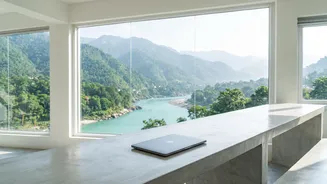








The New Himalayan Workstation
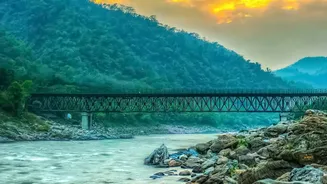
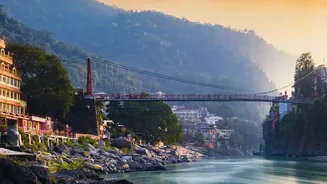
The traditional soundscape of Rishikesh—temple bells, the flowing river, chants from nearby ashrams—is now frequently punctuated by the familiar chime of a video call. Along the lanes of Tapovan and near the iconic Laxman Jhula bridge, a new kind of pilgrim
has arrived. Armed with laptops and smartphones, these remote professionals are transforming cafes, guesthouses, and dedicated co-living spaces into vibrant, modern workplaces. It’s a scene that blends ancient serenity with digital-age hustle: a coder might take a break for a dip in the holy river, or a marketing consultant might finish a strategy deck before heading to an evening yoga class. This fusion is creating a unique work-life rhythm, one where professional deadlines are met against a backdrop of unparalleled natural beauty.
The High-Speed Fiber-Optic Promise
For years, the biggest barrier to working from the mountains was the notoriously unreliable internet. That has changed dramatically. The core of Rishikesh's appeal to digital nomads is the recent arrival of high-speed, fiber-optic internet. Major providers have rolled out connections that offer speeds from 100 Mbps up to 1 Gbps, more than sufficient for data-heavy tasks and seamless video conferencing. Co-living spaces and dedicated coworking hubs have become the most reliable places, often featuring multiple backup lines and full generator support to ensure an uninterrupted connection, even during the monsoon season. While cafe Wi-Fi can still be unpredictable, these purpose-built facilities have made the dream of a Himalayan office a stable and productive reality.
More Than Just a Desk and a Chair
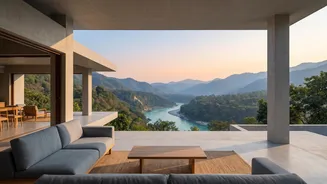
The true value of these hubs extends beyond technology. They are built around the concept of community. Co-living spaces in Rishikesh foster a collaborative environment where freelancers, entrepreneurs, and remote employees from diverse industries can connect. These aren't just hotels with good Wi-Fi; they are curated communities that host networking events, skill-sharing workshops, and communal meals. This social infrastructure is crucial for solo travelers and long-stay professionals looking to build a network and ward off the isolation that can sometimes accompany remote work. The friendships and professional collaborations that emerge from a shared rooftop workspace or a weekend trek are as much a part of the experience as the river view.
Where Wellness Is Part of the Workday
Perhaps the most significant advantage of a Rishikesh workation is the seamless integration of wellness. The town's identity as the world's yoga capital means that opportunities for mental and physical rejuvenation are everywhere. A typical day might start with a sunrise yoga session, a mindful walk along the Ganga, or a meditation class before the workday even begins. This holistic approach is a powerful antidote to corporate burnout. Rather than being an afterthought, wellness is woven into the daily routine. Hubs often offer their own yoga classes, massage therapies, and healthy vegetarian meals, making it easy to maintain a balanced lifestyle while staying productive.
The Practicalities of Paradise
Of course, life as a digital nomad in Rishikesh isn't without its challenges. While increasingly stable, internet can still have its moments, and carrying a mobile hotspot as a backup is a widely recommended practice. The town is also highly seasonal, with crowds and prices fluctuating, especially around major festivals like the International Yoga Festival. Affordability, however, remains a key attraction. A monthly budget for a comfortable lifestyle, including a private room in a co-living space, food, and activities, can be significantly lower than in a major Indian metro city. Finding the right fit requires some research—some areas like Tapovan are quieter and more suited for deep work, while others are more bustling and social.