


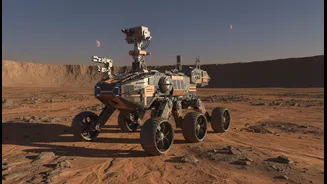

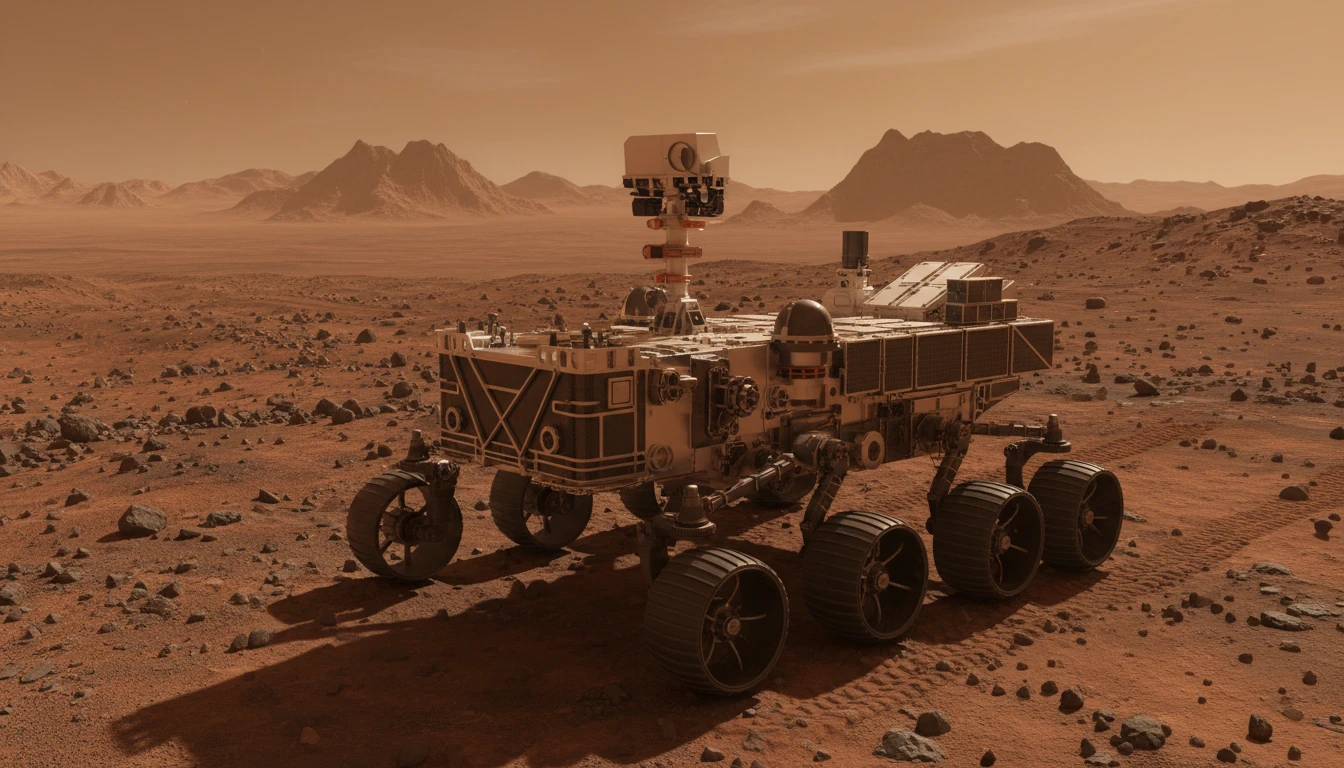


A New Playbook for the Red Planet
In early July 2026, NASA announced it had awarded contracts to seven private companies to develop next-generation robotic mobility systems for Mars. Dubbed the Science Transport and Robotic Innovation for Deployment and Exploration (STRIDE) initiative,
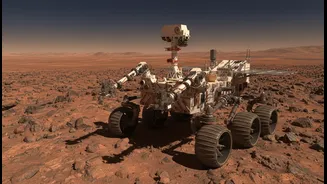
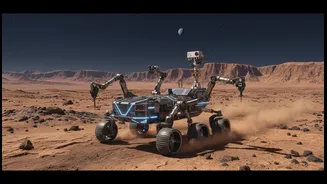
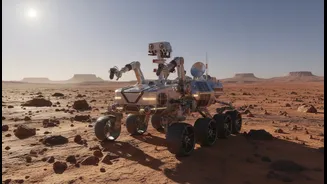
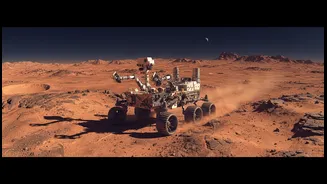
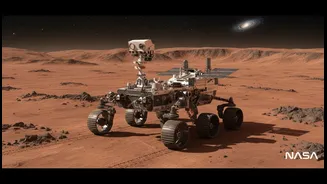
the program is designed to foster new ways to explore the Martian surface. The goal is to develop robotic systems that can travel farther and navigate more challenging terrain than current rovers, opening up scientifically valuable regions that have been out of reach. With a total potential value of around $17 million, these are not blockbuster deals in the grand scheme of space exploration, but their strategic importance is immense.
Meet the New Martian Trailblazers
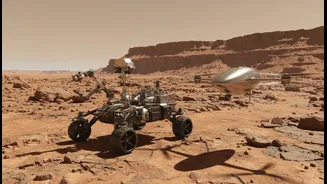
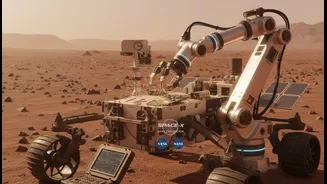
The list of awardees is a mix of established aerospace players and innovative newcomers. It includes companies like Astrobotic, Intuitive Machines, and Honeybee Robotics, alongside AeroVironment, Venturi Astrolab, Ground Control Robotics, and MEI Technologies. This diverse portfolio of companies is a deliberate choice. Rather than relying on a single prime contractor, NASA is seeding a competitive ecosystem. The agency is betting that this approach will yield a variety of innovative solutions, from advanced aerial platforms to rugged ground vehicles, capable of supporting future science missions.
From Custom-Built to Commercial-First
This represents a fundamental shift away from the model that created iconic rovers like Curiosity and Perseverance. Those missions were bespoke, in-house projects costing billions and taking over a decade to develop and launch. While incredibly successful, their cost and complexity limited the frequency of missions. The STRIDE initiative follows a new paradigm that NASA has been cultivating: public-private partnerships. The agency provides the scientific goals and seed funding, while commercial companies invest their own capital to design, build, and operate the systems, which they can then offer as services. This approach aims to leverage commercial economies of scale to create lower-cost, higher-frequency missions.
The Artemis Model Comes to Mars
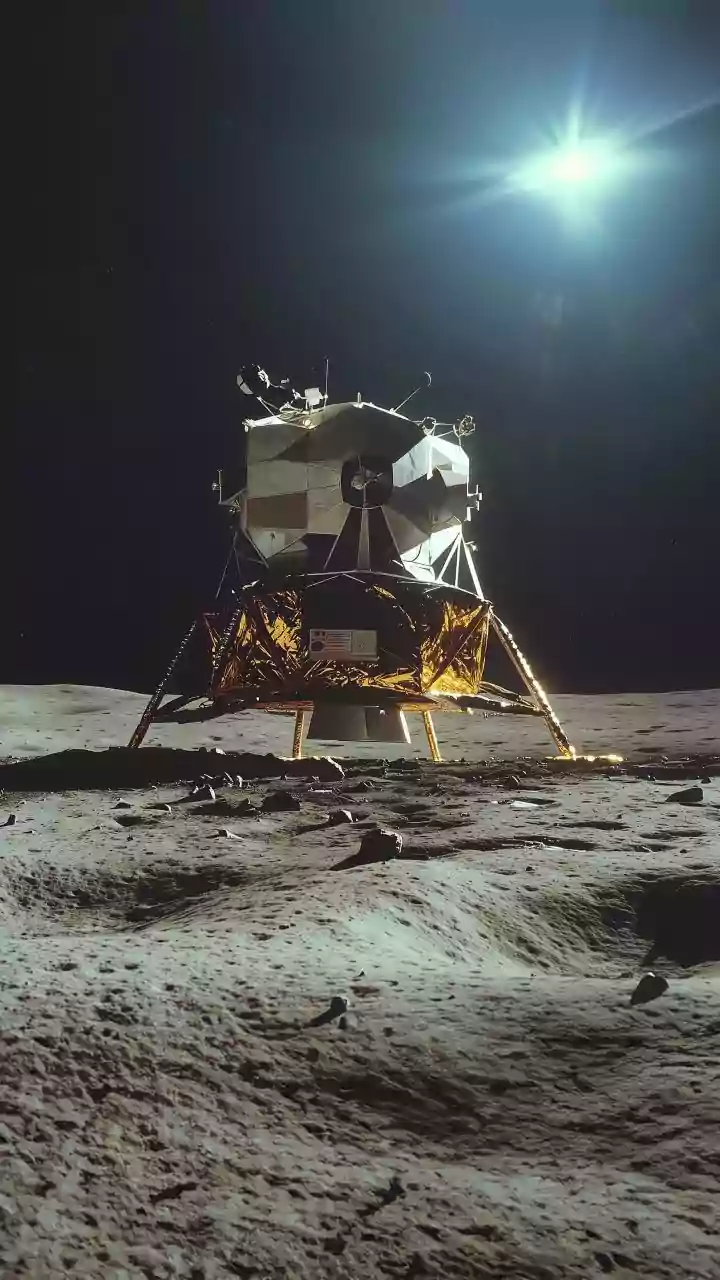
This strategy isn't entirely new for NASA. It mirrors the success of the Commercial Lunar Payload Services (CLPS) program, which pays private companies to deliver scientific and technological payloads to the Moon. The CLPS model has dramatically increased the cadence of lunar missions, and NASA is now applying those lessons to its long-term Mars exploration plan. This shift is also a response to changing fiscal realities. Following the effective cancellation of the ambitious Mars Sample Return program due to soaring costs, NASA has been forced to reimagine its Mars strategy with a focus on more affordable and sustainable exploration.
More Robots, More Science, More Often
The ultimate payoff for this new approach is more science. Instead of one large, exquisitely capable rover every decade, the STRIDE contracts could pave the way for a whole fleet of smaller, more specialized, and potentially more expendable robots on Mars. This would allow scientists to conduct parallel investigations in multiple locations, gather more diverse data, and take greater risks without jeopardizing a single flagship mission. It enables a network approach to planetary science, studying Mars more like we study Earth—with a distributed system of sensors and explorers working in concert. These seven contracts are the first small step in building that network.