


The Record-Breaking Figure
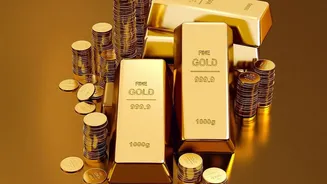
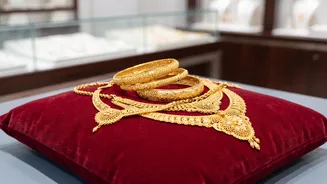
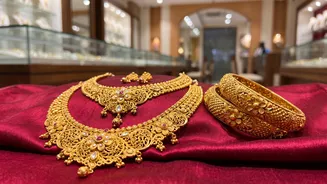
The India Bullion and Jewellers Association (IBJA) confirmed that during the Dhanteras-Diwali period, consumers bought a massive 52 tonnes of gold, amounting to an expenditure of Rs 72,000 crore. This represented a significant 30% increase in the volume
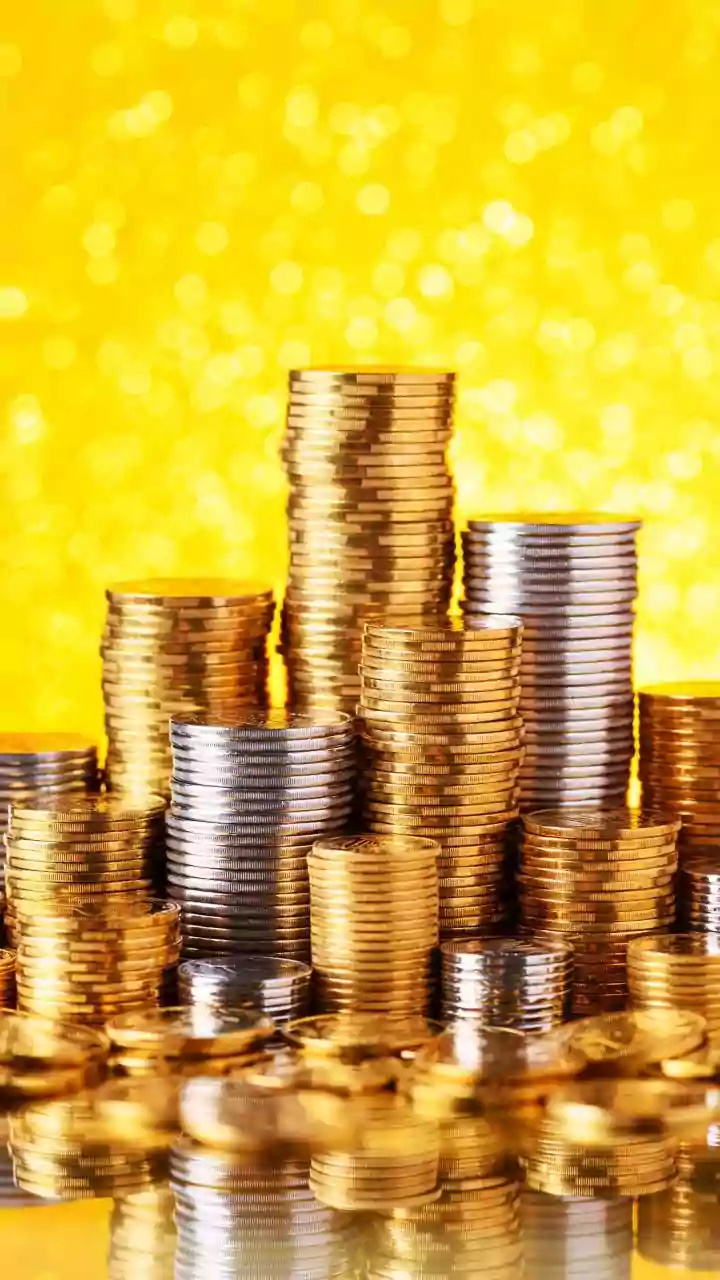
of gold sold compared to the same festive period last year. This surge in buying wasn't limited to just gold; silver sales also saw a 10% jump, with 300 tonnes worth Rs 5,400 crore being purchased. The impressive numbers point towards a strong revival in consumer demand for precious metals ahead of the crucial winter wedding season.
A 'Golden' Opportunity for Buyers
A key driver behind this phenomenal buying was a timely correction in gold prices. The price of 10 grams of gold had fallen to around Rs 1.42 lakh from a peak of nearly Rs 1.8 lakh earlier in the year. This near 21% dip from its record high was perceived by many as a perfect window to invest. Jewellers reported that this price drop brought many customers who had been waiting on the sidelines back into the stores. The sentiment was clear: with prices softening, it was an opportune moment to buy, especially with the possibility of rates climbing again.
The Confluence of Festivals and Weddings
The timing of the festivals played a crucial role in boosting sales. Dhanteras and Diwali fell in early November, a time when many salaried individuals receive their pay and festive bonuses, ensuring healthy cash flow in the market. Furthermore, the festive period directly preceded the start of the winter wedding season, which traditionally kicks off in mid-November. This overlap created a dual engine for demand, as families combined their auspicious festive buying with essential purchases for upcoming weddings, preferring to lock in prices rather than risk future volatility.
Shifting Patterns in a High-Priced World
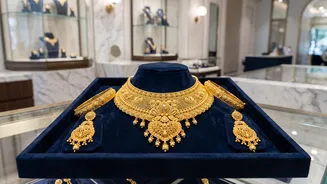
While the overall value of sales was high, jewellers noted a distinct shift in consumer behaviour. To manage budgets against prices that are still historically elevated compared to previous years, many buyers opted for lighter-weight jewellery. There was also a noticeable increase in demand for 14-carat and 18-carat gold pieces, which are more affordable than the traditional 22-carat options. This indicates that while the cultural drive to buy gold remains powerful, consumers are making pragmatic choices, prioritising participation in the tradition without overstretching their finances.
A Barometer for Economic Confidence
This massive expenditure on a discretionary item like gold is being widely interpreted as a positive signal for the Indian economy. It reflects renewed consumer confidence and significant pent-up demand being released into the market. The Confederation of All India Traders (CAIT) had estimated that overall business during Dhanteras would be substantial, with gold and silver forming a major component. The strong performance in the jewellery sector contributes to a broader picture of robust retail activity across various categories, suggesting a healthy economic momentum carrying into the end of the year.