


What Exactly Am I Looking For?
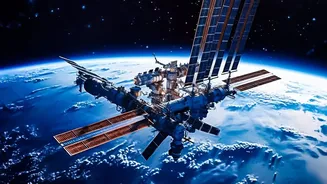
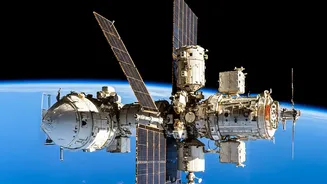
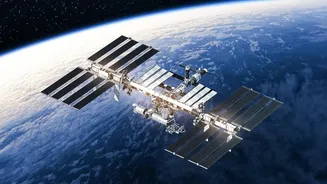
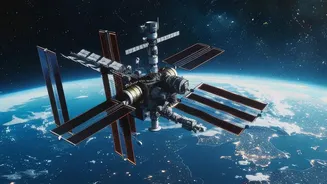
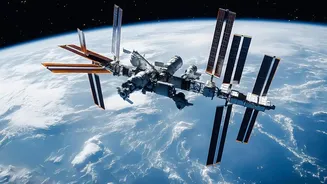
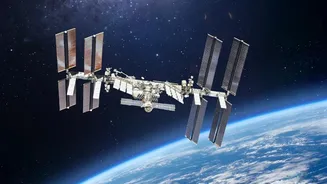
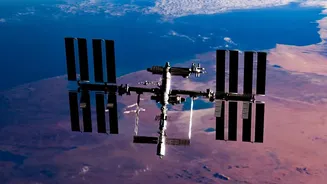
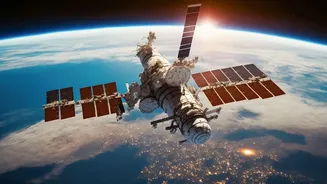
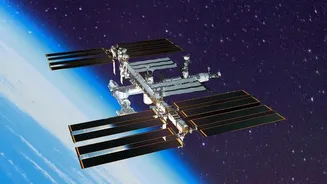
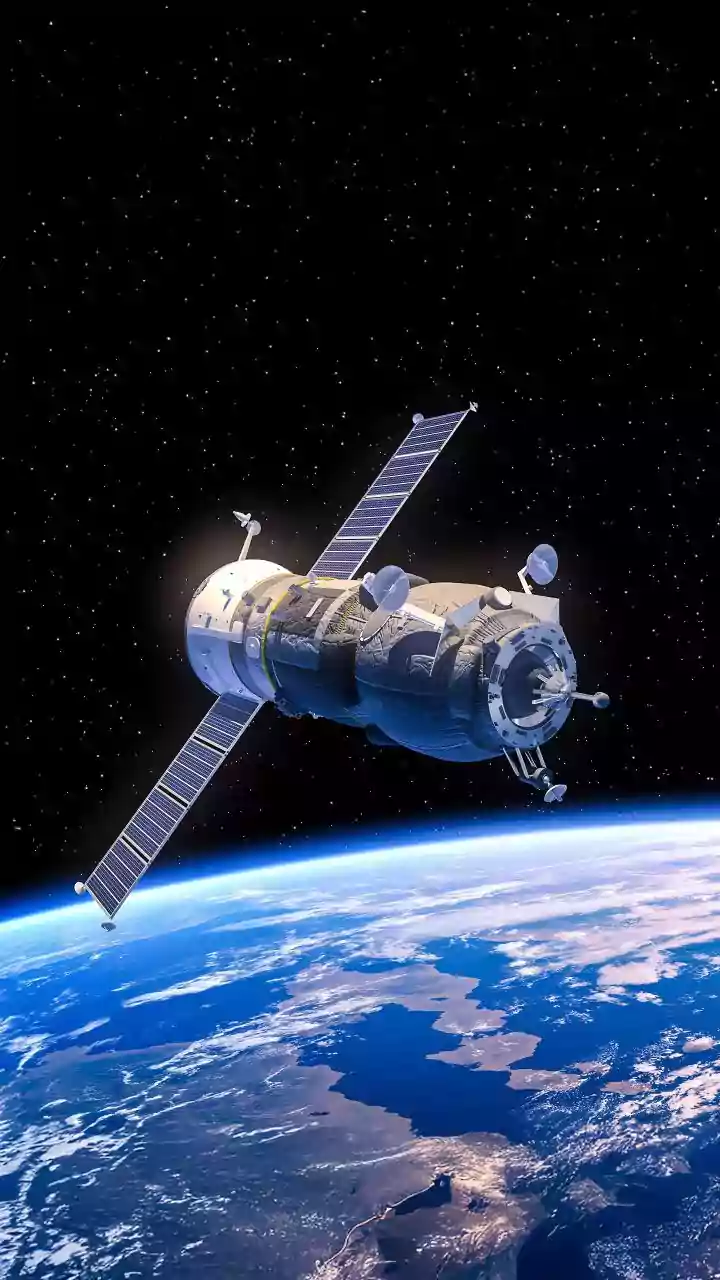
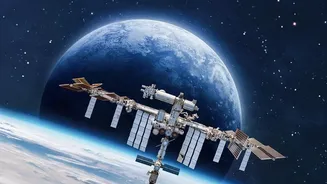
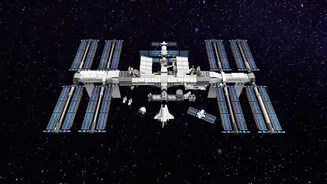
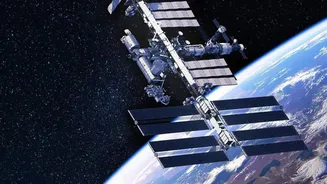
The International Space Station is the largest man-made object in orbit, a sprawling complex of modules and solar arrays that has been continuously inhabited for over two decades. Travelling at a staggering 28,000 kilometres per hour, it circles the Earth
roughly every 90 minutes. To the naked eye, it doesn't look like a complex structure. Instead, it appears as a very bright, steady point of light moving silently and purposefully across the night sky. Unlike an airplane, it does not have flashing or coloured lights, and it won’t change direction. It looks like a fast-moving star, often brighter than any other star or planet in the sky at that moment.
Finding the Perfect Sighting Time
Timing is everything. The ISS is only visible when it's dark where you are, but the station itself is still illuminated by the sun. This means the best viewing opportunities happen in the hours just after sunset or before sunrise. Luckily, you don't need to guess. Several excellent and free tools can tell you exactly when and where to look. NASA's official "Spot The Station" website and mobile app are fantastic resources. You can sign up for email or text alerts for your specific city, and it will notify you of upcoming passes, including details like duration, maximum height, and the direction it will travel. Other popular and reliable apps include ISS Detector and Heavens-Above, which provide detailed tracking information for the ISS and other satellites.
A Step-by-Step Viewing Guide
Once you have your sighting time, a little preparation goes a long way. First, check the weather; clear skies are essential. Even a few minutes before the scheduled pass, head outside to your chosen viewing spot. This allows your eyes to adjust to the darkness, making it easier to spot the station. Look in the direction indicated by your tracking app (e.g., 'appears from the southwest'). The ISS will emerge over the horizon as a faint dot and grow brighter as it climbs higher in the sky. It will cross the sky over several minutes before fading and disappearing as it enters Earth's shadow. The entire event is a silent, graceful arc of light.
Tips for Stargazing in the City
Urban light pollution is the biggest challenge for any city-based skywatcher. While it can obscure fainter stars, the good news is that the ISS is often bright enough to cut through the glow of a major city. To improve your chances, find a location with the clearest possible view of the sky, away from the direct glare of streetlights. A rooftop terrace, a large park, or even the top floor of a tall apartment building can make a significant difference. If possible, observe later at night, as city brightness can decrease after shops close and traffic subsides. Putting a large building or a line of trees between you and the brightest parts of the city can also help create a darker patch of sky to watch.
Upcoming Sighting Windows For India
ISS sightings come in clusters, often with several visible passes over a few weeks, followed by a period of no visibility. For example, a search for August 2026 shows potential morning and evening passes over various parts of the country. A site like Heavens-Above or the NASA app will give you precise times for your location. For example, on a given morning, a pass might be visible from Prayagraj starting at 4:29 AM, moving from west-southwest to north-northeast. Always check the tracker on the day of your planned viewing, as timings can be updated. These apps will show you the exact path across the sky, the maximum height it will reach, and its brightness, helping you prepare for a perfect sighting. The brightness is often measured in magnitude, where a more negative number indicates a brighter pass.