




The Instant Energy Booster: Sabudana Khichdi
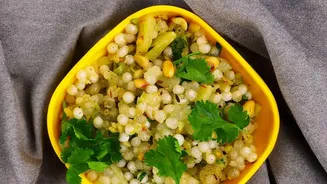
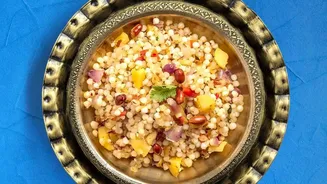
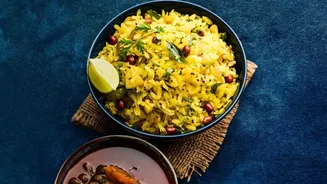
Sabudana Khichdi is a beloved fasting dish for a reason. Made from tapioca pearls, it is packed with carbohydrates that provide a quick and sustained release of energy, which is crucial when you are observing a fast. Sabudana is also easy to digest, making
it gentle on the stomach during a period of restricted eating. While simple, the key to a perfect khichdi is preparation. The pearls must be soaked correctly to ensure a fluffy, non-sticky texture. A 1:1 ratio of sabudana to water, soaked for at least four to six hours, is a reliable method. When you press a soaked pearl, it should mash easily. This starchy base is then typically tempered with cumin seeds, green chillies, and curry leaves, and combined with boiled potatoes and roasted, crushed peanuts for added texture and flavour. The peanuts also add a welcome dose of protein and healthy fats. A final squeeze of lemon juice brightens the entire dish, creating a meal that is both comforting and revitalizing.
A Simple Sabudana Khichdi Recipe
To make a classic vrat-friendly khichdi, start by rinsing one cup of sabudana until the water runs clear, then soak it in one cup of water for at least four hours or overnight. Once soaked, drain any excess water. Heat a tablespoon or two of oil or ghee in a pan and add a teaspoon of cumin seeds. Once they sizzle, add chopped green chillies and curry leaves. Next, add one diced potato and cook until tender, seasoning with sendha namak (rock salt). To this, add a quarter cup of coarsely crushed roasted peanuts and cook for another minute. Finally, add the drained sabudana. Stir gently and cook for a few minutes until the pearls turn translucent. Be careful not to overcook, as this can make them mushy. Finish by stirring in a tablespoon of lemon juice and garnishing with fresh coriander. Serve hot with a side of plain yoghurt for a complete and satisfying meal.
The Wholesome Powerhouse: Kuttu Puris
Kuttu ka atta, or buckwheat flour, is a nutritional champion in the world of fasting foods. Despite its name, it is not a type of wheat but a gluten-free seed, making it an excellent choice for those with sensitivities. It is rich in protein and dietary fibre, which helps in promoting a feeling of fullness and aids digestion. Kuttu is also packed with essential minerals like magnesium and antioxidants. Its low glycemic index ensures a slow release of energy, preventing the sugar spikes and crashes associated with some other carbohydrates. Traditionally, kuttu puris are made by combining the flour with a binding agent like boiled and mashed potato or arbi (taro root) to create a pliable dough. These puris have a distinct nutty flavour and a delightfully crisp texture, offering a satisfying and substantial meal that pairs perfectly with vrat-wale aloo or a cooling raita.
Easy Kuttu ki Puri Recipe
To prepare these crispy puris, combine one cup of kuttu ka atta with one large boiled, peeled, and mashed potato in a bowl. Add sendha namak to taste and half a teaspoon of cumin powder for flavour. Mix these ingredients well; the moisture from the potato will help bind the flour. If needed, add a small amount of warm water, a tablespoon at a time, to form a firm, smooth dough. Let the dough rest for about 15-30 minutes. Afterwards, divide the dough into small, equal-sized balls. Grease your palms or a rolling surface with a little oil and roll each ball into a small circle, slightly thicker than a regular puri. Heat ghee or oil for deep frying in a kadai. Once the oil is hot, carefully slide in a puri. Press it gently with a slotted spoon to help it puff up. Fry until it's golden brown and crisp on both sides, then remove and place it on a paper towel to drain excess oil. Serve these hot and fresh.
The Creamy Indulgence: Makhana Kheer
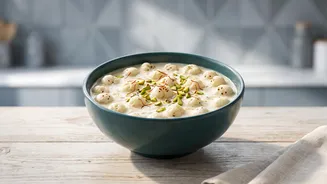
Makhana, or fox nuts, are a light yet incredibly nutritious snack that transforms into a luxuriously creamy dessert. These puffed lotus seeds are low in calories and fat but rich in protein, fibre, and minerals like magnesium, potassium, and calcium. They are also packed with antioxidants, which help combat oxidative stress in the body. When used in a kheer, makhana provides a guilt-free indulgence that is both nourishing and delicious. The process involves roasting the makhana in ghee until crisp, which is a crucial step to prevent them from becoming slimy in the milk. Some of the roasted makhana are coarsely crushed to help thicken the kheer, while others are left whole to provide a delightful, slightly chewy texture. Simmered in milk with sugar and cardamom, this kheer is a comforting sweet dish to conclude a fasting day.
A Rich and Creamy Makhana Kheer Recipe
For a delightful makhana kheer, start by heating a teaspoon of ghee in a heavy-bottomed pan. Add one to two cups of makhana and roast on low heat for about five minutes until they are crisp. Set them aside to cool. In the same pan, bring one litre of full-fat milk to a boil, then reduce the heat and let it simmer for about 10 minutes until it thickens slightly. While the milk simmers, coarsely crush about half of the roasted makhana. Add both the crushed and whole makhana to the simmering milk and cook for another 8-10 minutes, stirring occasionally, until the fox nuts soften. Stir in sugar to taste (around 4-5 tablespoons) and cook for two more minutes until it dissolves. Finally, add half a teaspoon of cardamom powder and a handful of chopped nuts like almonds and pistachios. Let it rest for a few minutes before serving. This kheer is delicious served either warm or chilled.