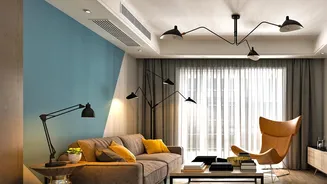


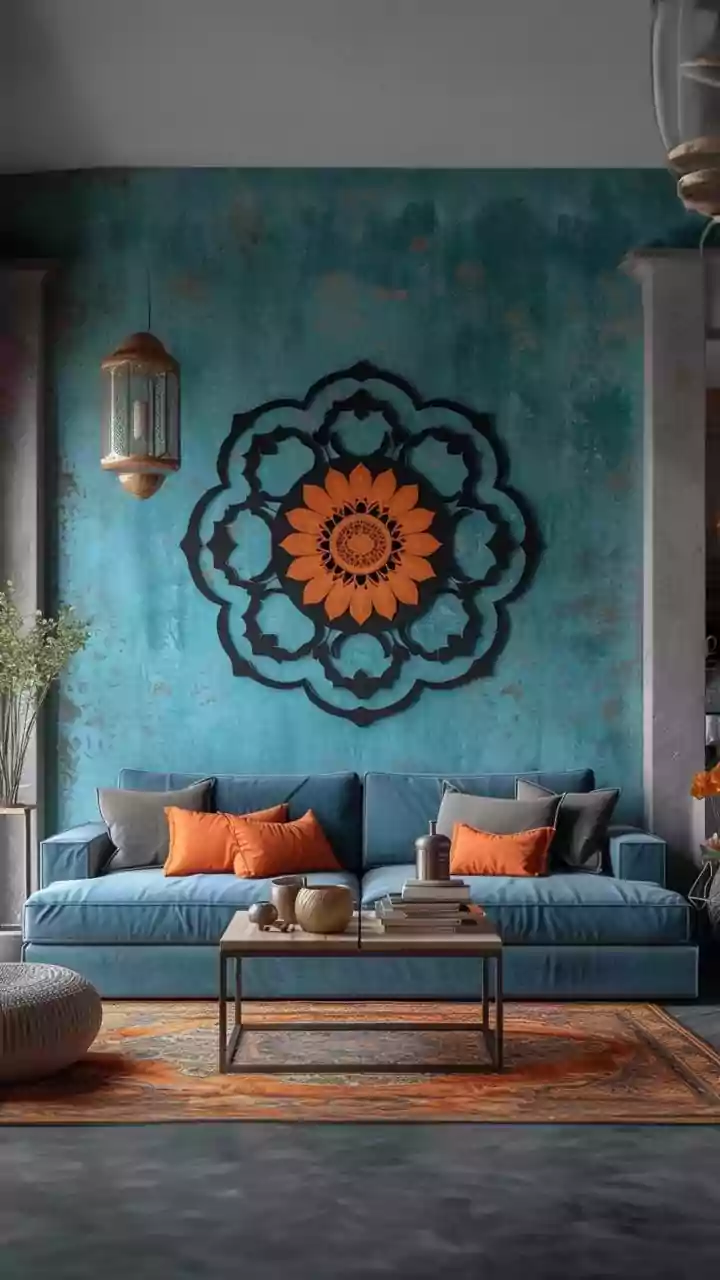

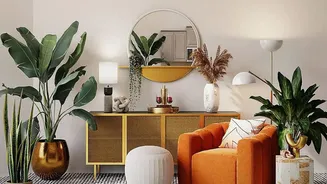
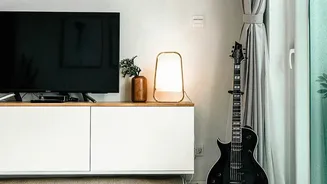

We’ve all felt the pull of the perfectly matched furniture set in a showroom. It seems like the easiest path to a polished room, but the real secret to a space that feels both stylish and comfortable isn't matching—it's mastering size.
The Showroom Trap
Walking into a furniture
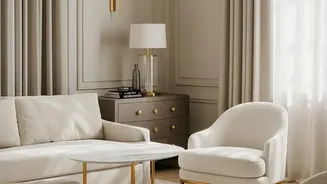
store, it’s easy to be drawn to coordinated collections where the sofa, loveseat, and armchair are all cut from the same cloth. It feels safe and decisive. However, what looks cohesive in a cavernous showroom often feels bulky and monotonous in a real living room. These sets are designed for simple selling, not always for sophisticated living. The result can be a room that lacks personality and, more importantly, doesn't function as well as it could. A room filled with pieces of the exact same style and height can feel flat. In contrast, a curated mix of furniture creates layers and interest, making a space feel more personal and evolved.
Scale and Proportion: The Golden Rules
The two most important words in interior design are often 'scale' and 'proportion'. Scale refers to how the size of a piece of furniture relates to the room itself. A huge, overstuffed sectional might technically fit in a small apartment, but it will make the space feel cramped and overwhelming. Conversely, a tiny loveseat in a large room with high ceilings can feel lost and unfinished. Proportion, on the other hand, is about how different pieces relate to each other. A delicate coffee table might look awkward in front of a heavy, solid-base sofa. The goal is to create a sense of balance. Before buying anything, measure your room's length, width, and ceiling height. This simple step is the most common one people skip, leading to the most frequent decorating mistakes.
Function, Flow, and Breathing Room
Getting the size right is about more than just aesthetics; it's about how you live in the space. Furniture that is properly scaled ensures there is comfortable circulation. A fundamental rule is to leave 30 to 36 inches for main walkways. This ensures you can move freely without sidling past a bulky armchair or bumping into a coffee table. When furniture is too large, it not only shrinks the room visually but also physically, creating awkward paths and unusable zones. Think about how you use a room. A living room needs clear paths from the doorway to the sofa. A dining room requires enough space to pull out chairs comfortably, ideally at least 36 inches between the table and the wall. Correctly sized furniture makes a room feel intuitive and effortless to be in.
Understanding Visual Weight
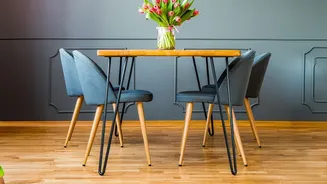
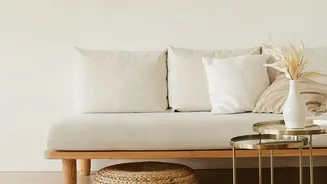
Beyond physical dimensions, every object has 'visual weight'. This is the perceived heaviness of a piece based on its color, material, and form. A dark, solid cabinet will feel much heavier than a glass-and-metal console table of the same size. Similarly, a sofa with chunky arms that sits directly on the floor appears more massive than a sofa of the same width with slim arms and visible legs. This is a powerful tool. In a smaller room, choosing furniture with lighter visual weight—pieces with legs, slender profiles, and paler colors—can make the space feel more open. In a large room, more substantial pieces can help ground the space and prevent it from feeling empty. Balancing visual weight is key to ensuring no single piece dominates or disappears.
How to Create a Cohesive Look Without Matching
If you ditch the matching set, how do you prevent your room from looking like a random collection of items? The key is to create connections through other elements. One of the easiest methods is to stick to a consistent color palette. Your sofa, chairs, and tables don't need to match if they share or complement a few key colors. Another strategy is to repeat materials. For example, you can have a wooden coffee table, a wooden-framed mirror, and wooden legs on an accent chair. The wood tones don't have to be identical, but the repetition of the material creates a sense of harmony. Finally, a large area rug is a designer's best friend. It acts as an anchor, creating a unified zone that visually ties different pieces of furniture together, making them feel like a deliberate grouping.