






Why Pest Control is Non-Negotiable
Pests like cockroaches, rodents, and flies are more than just a nuisance; they are significant threats to public health. They can contaminate food and preparation surfaces with dangerous pathogens, leading to foodborne illnesses. Recent inspections in cities
like Bengaluru and Mumbai have shown that even popular establishments can fail on this front, with authorities shutting down kitchens and suspending licenses for hygiene violations. This is why the Food Safety and Standards Authority of India (FSSAI) has made stringent pest control a mandatory legal requirement, not just a suggestion, for all food businesses.
What FSSAI Mandates
Under FSSAI regulations, every restaurant must implement and maintain a formal pest control program. This is not a one-time spray but a continuous, documented process. Key requirements include: ensuring the premises are free of pests by sealing entry points; regular, scheduled treatments by a licensed professional; using only approved, food-safe chemicals; and meticulous record-keeping. Inspectors will ask to see a complete pest control file, including service reports, chemicals used, and a log of any pest sightings by staff. The absence of this paperwork is a compliance failure in itself.
Reading the Signs: Cockroaches and Rodents
As a customer, you can't see the paperwork, but you can look for clues. For cockroaches, keep an eye out for live or dead insects, especially during the day, which can indicate a heavy infestation. Other signs include droppings that look like black pepper or coffee grounds, shed skins, and a distinct musty or oily odour. For rodents, telltale signs include small, dark droppings, gnaw marks on packaging or structures, and greasy smudge marks along walls where they frequently travel. Seeing any of these in dining areas is a major red flag for what might be happening in the kitchen.
Flies and Stored-Product Pests
Flies are often dismissed as a minor annoyance, but their presence is a critical hygiene indicator. They feed on decaying matter and can transfer pathogens to food surfaces with a single touch. Frequent sightings of flies around food or trash areas are a sign of a sanitation problem. Another invisible threat comes from stored product insects (SPIs) like Indianmeal moths and flour beetles. These pests infest dry goods like grains, spices, and flours, contaminating them with webbing, eggs, and feces. While difficult for a customer to spot, they are a key focus for inspectors checking storage rooms.
Signs of Good Pest Management
A lack of visible pests is a good start, but proactive measures are even better. A truly clean restaurant shows signs of preventing pests, not just reacting to them. Look for cleanliness in general: floors clear of debris, clean drains, and well-maintained trash areas. Notice if doors have door sweeps at the bottom and if windows have screens to block entry points. In some areas, you might spot discreet, tamper-resistant bait stations placed against exterior walls, or UV fly killers installed away from food prep zones. These show the management is investing in a professional, integrated pest management (IPM) program.
What an Inspector Sees
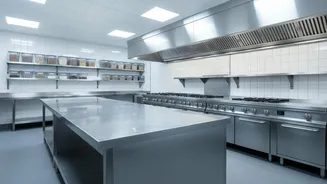
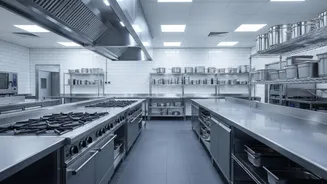
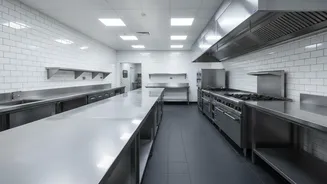
A formal inspection goes much deeper than a customer's glance. An inspector from the FSSAI or local food authority will scrutinize every corner of the kitchen, from behind heavy equipment to inside storage containers. They check for the structural integrity of the building, ensuring there are no holes or gaps for pests to enter. They verify that pest control chemicals are stored safely away from food. Most importantly, they review the documentation. An inspector can tell from the records if treatments are regular, if the pest control operator is licensed, and if the restaurant is tracking and responding to pest activity.