




The Daily Blood Sugar Cycle
Many people are familiar with the feeling: you eat a simple, carb-heavy breakfast like toast or a sugary cereal, and you feel an initial burst of energy. But by 10 or 11 a.m., that energy vanishes, replaced by fatigue, irritability, and a craving for
more snacks. This is often the result of a blood sugar spike followed by a crash. After an overnight fast, your body is ready for fuel. A breakfast high in refined carbohydrates causes a rapid release of glucose into the bloodstream. Your body then releases insulin to manage this sugar, but the swift process can lead to an overcorrection, causing your blood sugar to dip too low and triggering that familiar slump. Breaking this cycle starts with rethinking your first meal of the day.
Protein: Your Morning Anchor
Think of protein as the anchor for your morning meal. When you include a good source of protein in your breakfast, it slows down digestion. This, in turn, slows the absorption of glucose from carbohydrates into your bloodstream, preventing the sharp spikes that lead to crashes. Studies show that a protein-rich breakfast not only helps stabilise blood sugar after the meal but can also have a positive 'second meal effect', improving your body's glucose response to lunch. Protein is also crucial for satiety, the feeling of fullness. Including it in your breakfast helps curb mid-morning cravings, which can prevent you from reaching for unhealthy snacks and support weight management.
Fibre: The Unsung Hero
Fibre is the other key player in creating a balanced breakfast. Soluble fibre, in particular, dissolves in water to form a gel-like substance in your digestive system. This gel slows down the entire digestive process, including the breakdown of carbohydrates and the absorption of sugar. Foods rich in fibre, like oats, whole grains, seeds, and vegetables, help ensure a steady, gradual release of energy. Beyond blood sugar control, fibre is essential for good gut health and contributes to feeling full and satisfied after a meal, working alongside protein to keep you energised until your next meal.
The Savoury Pancake Power-Up
For a classic Indian breakfast that ticks all the boxes, look no further than moong dal chilla or besan chilla. Lentils and gram flour are excellent sources of plant-based protein and fibre. The batter can be prepared in advance to save time on busy mornings. To boost the nutritional value, add finely chopped vegetables like spinach, onions, tomatoes, or grated carrots directly into the batter. This increases the fibre content and adds essential vitamins. Serve your chilla with a side of plain curd or Greek yogurt for an extra protein boost, making it a complete and satisfying meal that will keep you steady for hours.
A Modern Twist on Oats
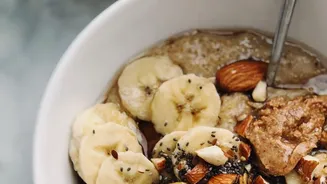
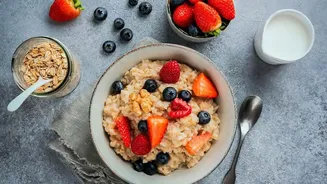
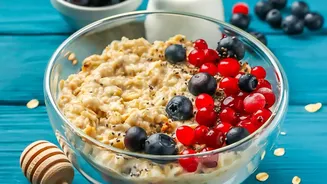
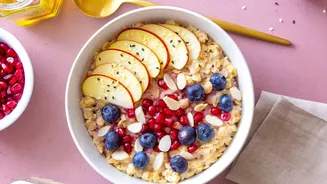
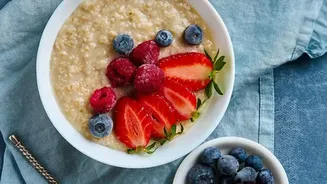
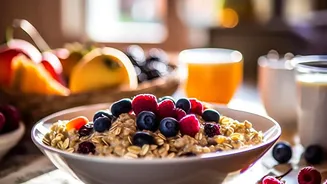
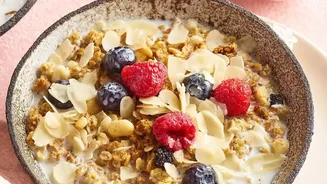
Oats are a fantastic source of soluble fibre, which is known to help manage blood sugar. Instead of a sweet, sugary porridge, try a savoury 'masala oats'. Cook rolled oats with water or milk and add vegetables like peas and carrots. To significantly increase the protein, stir in some roasted peanuts or even some soaked moong dal while cooking. Alternatively, a simple bowl of overnight oats made with milk or yogurt and topped with nuts, chia seeds, or flax seeds provides a powerful combination of protein, fibre, and healthy fats that requires zero morning prep time.
The Five-Minute Wonder Bowl
When time is truly short, a yogurt bowl is your best friend. Plain Greek yogurt is an exceptional source of protein, with significantly more than regular dahi. Use it as a base and top it with high-fibre berries, a handful of nuts like almonds or walnuts, and a spoonful of chia seeds or flax seeds. This combination delivers a potent mix of protein, fibre, and healthy fats, requires no cooking, and can be assembled in minutes. For a savoury twist, you can mix chopped cucumber and tomato into a bowl of cottage cheese (paneer).
The Classic Scramble, Upgraded
Eggs are a breakfast champion for a reason—they are packed with high-quality protein. An egg bhurji, or scrambled eggs, can be made into a balanced meal by loading it with vegetables like onions, tomatoes, and spinach. This not only adds fibre and nutrients but also volume, making the meal more filling. Pair your bhurji with a slice of whole-wheat or multigrain toast instead of white bread. The fibre from the whole grains will work with the protein from the eggs to ensure a slow and steady release of energy to power your morning.