



More Than Just Bad Breath
Many pet owners dismiss bad breath as a normal part of having a dog or cat. However, persistent foul odour is often the first and most common sign of underlying dental issues. This smell is caused by a buildup of bacteria in plaque and tartar. Plaque
is a soft film of bacteria and food particles that forms daily, while tartar is the hardened version that can't be brushed away. This buildup leads to gingivitis, which is the inflammation of the gums and the earliest stage of periodontal disease. Up to 80% of dogs and 70% of cats show signs of dental disease by age three, making it one of the most common health problems veterinarians see.
Decoding the Red Flags
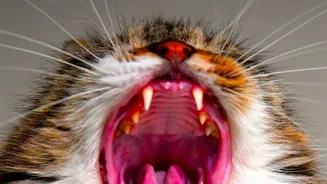
The headline symptoms—red gums and difficulty chewing—are clear indicators that the problem has progressed beyond simple plaque. Red, swollen, or bleeding gums are a classic sign of gingivitis. Healthy gums should be a firm, bubblegum-pink colour; bright red gums signal inflammation and irritation. When you notice your pet struggling to eat, it's a direct sign of pain. They might chew on only one side of their mouth, drop food, prefer softer meals, or avoid eating altogether. Because pets are masters at hiding pain, they often continue to eat despite significant discomfort, which means the disease can become advanced before owners notice a problem.
The Four Stages of Dental Disease
Veterinarians classify periodontal disease into four stages. Stage 1 is gingivitis, where gums are inflamed but the damage is reversible with a professional cleaning. Stage 2, or early periodontitis, involves minor bone loss around the teeth. By Stage 3, moderate periodontitis, there is significant bone loss (25-50%), and teeth may become loose. Stage 4 is advanced periodontitis, where infection is severe, bone loss is over 50%, and teeth are often lost. Red gums and chewing difficulty often point to stages 3 or 4, where the damage is serious and requires immediate veterinary intervention.
A Whole-Body Problem
Advanced dental disease isn't just a problem for the mouth. The bacteria thriving in an infected mouth can enter the bloodstream and travel throughout the body. This has been linked to serious systemic health issues, potentially affecting vital organs like the heart, kidneys, and liver. The chronic inflammation can also weaken your pet's overall immune system, impacting their energy, mood, and quality of life. This is why treating dental disease is not just about saving teeth—it's about protecting your pet's long-term health.
What to Expect at the Vet
If you notice these warning signs, a trip to the veterinarian is essential. A thorough dental examination and cleaning must be performed under general anaesthesia. This allows the vet to safely and completely clean the teeth above and below the gumline, where the real damage occurs. They will use dental probes to check for deep pockets and take dental X-rays to see the extent of bone loss, which is invisible to the naked eye. Based on these findings, they will recommend a treatment plan, which may include tooth extractions for teeth that are too damaged to be saved.
Prevention Is the Best Protection
The good news is that dental disease is largely preventable. The single most effective thing you can do at home is daily tooth brushing with pet-specific toothpaste. If brushing isn't possible, other options can help, including dental diets, specialized chews and treats, and water additives or oral gels. Look for products approved by the Veterinary Oral Health Council (VOHC), which have been proven to help reduce plaque or tartar. Regular professional cleanings, as recommended by your vet, are also a cornerstone of preventing severe disease.