


The Perils of Popularity
Many of India's most famous Himalayan treks are grappling with the consequences of their own fame. Trails to destinations like Kedarkantha, Triund, and Kheerganga often see hundreds, sometimes thousands, of trekkers on a single day during peak season.
This phenomenon, known as overtourism, leaves a visible scar. The massive footfall leads to soil erosion, while single-use plastics and other waste accumulate, choking streams and polluting the environment. The sheer volume of people not only diminishes the sense of solitude that many seek in the mountains but also places immense strain on the fragile alpine ecosystems, which struggle to recover from the impact. This unchecked tourism growth threatens the very beauty that attracts visitors in the first place.
The Eco-Trail Philosophy
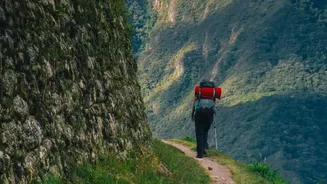
In response to the growing environmental crisis, a more sustainable approach to trekking is gaining ground. Eco-trails are defined not just by their beauty, but by a philosophy of conservation and community partnership. These routes intentionally limit the number of trekkers to minimize the ecological footprint. A core component is the involvement of local communities, who act as guides, run homestays, and manage conservation efforts, ensuring that tourism revenue directly supports the local economy and provides an incentive to protect the environment. Many of these initiatives are born from a desire to offer travellers a more authentic experience, far from the commercialized routes, where one can trek for days seeing only the trail ahead and the occasional fellow traveller.
Himachal's Unspoilt Paths
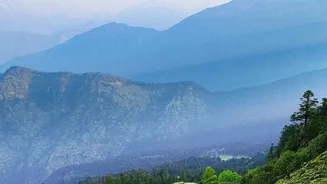
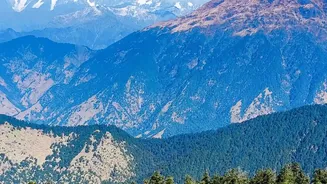
Himachal Pradesh, while home to bustling tourist hubs, also boasts vast, protected wilderness perfect for the eco-conscious traveller. The Great Himalayan National Park (GHNP), a UNESCO World Heritage Site, is a prime example. Unlike many popular parks, permanent settlements are prohibited, and trekking is only possible with local guides, ensuring a truly immersive and low-impact experience. Trails here remain largely unmarked and uncrowded. Another alternative to a crowded route is the Pin Bhaba Pass trek, which offers a dramatic crossover from the lush Bhaba Valley to the arid Pin Valley in Spiti. It serves as a less-congested alternative to the popular Rupin Pass, showcasing a stunning variety of landscapes without the heavy footfall. Similarly, the Kugti Pass and Debsa Pass treks are challenging routes that reward seasoned trekkers with unparalleled solitude and raw, alpine beauty.
Uttarakhand's Quiet Corners
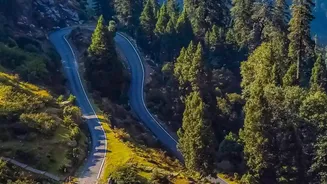
Uttarakhand offers a wealth of quieter alternatives to its famous but often overcrowded pilgrimage and trekking circuits. Instead of the bustling Kedarkantha trail, trekkers can opt for the nearby Phulara Ridge, a unique trek that follows a long, scenic ridge with panoramic views and sees far fewer people. For those drawn to the mythological allure of Har Ki Dun, the Dev Kyara trek offers a similar valley experience but with more solitude and a wilder feel. Similarly, Brahmatal is a fantastic winter trek option that provides stunning views of Mt. Trishul and Mt. Nanda Ghunti without the crowds often found on other winter trails. These treks often involve camping on durable surfaces, using community-run services, and adhering to strict waste management policies, ensuring the landscape remains pristine.
How You Can Be a Responsible Trekker
Preserving these mountain landscapes is a shared responsibility. The most fundamental principle is 'Leave No Trace'. This means packing out everything you pack in, including all non-biodegradable waste like plastic wrappers and bottles. Opt for a reusable water bottle with a filter instead of buying single-use plastic bottles. Whenever possible, choose to stay in local homestays and hire guides from the community; this directly supports the local economy and encourages conservation. Stick to the established trails to prevent erosion and avoid disturbing fragile vegetation. Finally, respect the local culture by being considerate, asking before taking photographs of people, and showing reverence for sacred sites. By making these conscious choices, every traveller can play a part in protecting the Himalayas for generations to come.