





Why Monsoon is a Gardener's Friend
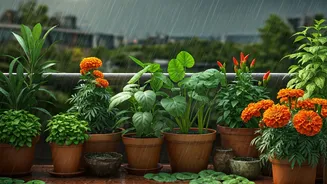
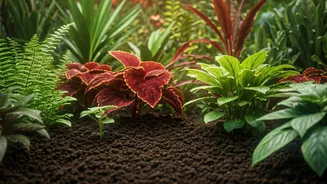
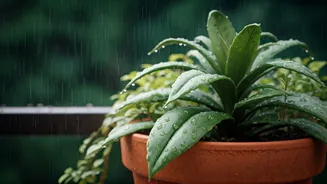
Many new gardeners fear the monsoon, assuming the constant rain and reduced sunlight will doom their plants. But the opposite is often true. The season’s high humidity is a blessing for many tropical plants, promoting lush foliage and vigorous growth.
The naturally soft rainwater is free from the chlorine and salts found in tap water, making it ideal for sensitive plants. Furthermore, the cooler temperatures reduce the stress of extreme heat that scorches plants in the Indian summer. This period is a natural growth spurt for the subcontinent's flora, and with a bit of planning, your pots and planters can join the party. Instead of a challenge to be overcome, think of the monsoon as nature giving your urban garden a helping hand.
Your Monsoon Starter Kit: What to Plant
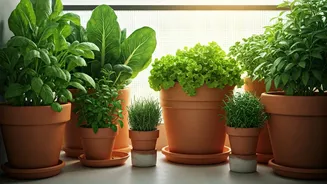
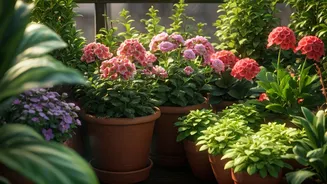
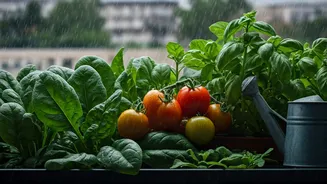
Success begins with selecting the right players for the season. Focus on plants that love moisture and can handle partial shade. For fresh edibles, this is the prime time for leafy greens like spinach (palak), amaranth (chaulai), and fenugreek (methi). Herbs are another fantastic choice; mint (pudina), holy basil (tulsi), and lemongrass will flourish in the humid air. If you want to grow vegetables, consider creepers and climbers like cucumber and bottle gourd if you have the space. For smaller balconies, chillies, okra (bhindi), and brinjal are surprisingly resilient. Don’t forget flowers! Balsam, cosmos, and zinnias add a welcome pop of colour and thrive in the rainy season, lifting spirits on even the gloomiest of days.
The Golden Rule: Perfect Drainage
The single biggest mistake in monsoon gardening is overwatering, which leads to root rot. While the rain is a gift, stagnant water is a killer. Your number one priority must be drainage. Ensure every pot has at least one, preferably multiple, drainage holes at the bottom. Before adding soil, consider lining the bottom of the pot with a layer of gravel, broken pottery shards (thikri), or charcoal to create a space for excess water to escape. Use a light, well-draining potting mix. A good combination is equal parts cocopeat, compost, and coarse sand or perlite. This mixture retains enough moisture for the roots but allows the excess to flow through freely, preventing the waterlogged conditions that fungi and rot love.
Managing Sunlight and Pests
Reduced sunlight is a reality of the season. Observe your space. Which corner gets the most light, even if it's indirect? Place your sun-loving plants like chillies and okra there. Leafy greens and herbs are more tolerant of partial shade. You can also give your pots a quarter-turn every few days to ensure all sides get some exposure to light. The dampness also invites pests like slugs, snails, and fungal diseases. Be proactive. Regularly inspect the undersides of leaves. A simple spray made of neem oil, water, and a drop of liquid soap is a powerful organic deterrent for most common pests. To prevent fungal growth, avoid wetting the leaves when you water; aim for the soil. Pruning any yellowing or diseased leaves immediately will also prevent problems from spreading.
No Balcony? No Problem.
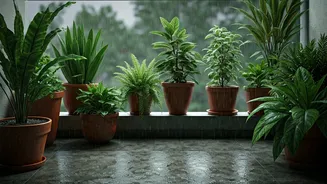
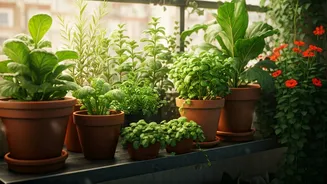
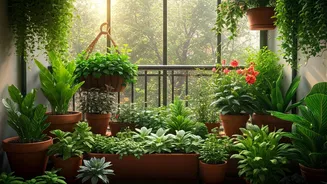
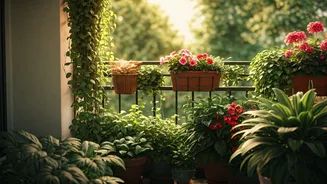
The beauty of urban gardening is its adaptability. You don't need a sprawling terrace to participate. A simple windowsill can become a flourishing herb garden. Small pots of tulsi, mint, and coriander can grow happily indoors, provided they get a few hours of light. You can use vertical planters to maximise a small wall space or hanging baskets for trailing plants like money plant or certain varieties of ferns. These indoor plants not only add life to your home but also act as natural air purifiers. For many, a small collection of indoor plants provides the same mental health benefits—a sense of purpose and a connection to nature—as a larger outdoor garden.