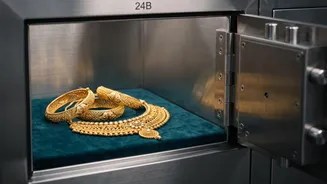







What Triggers a Gold Loan Auction?
A gold loan auction is the legal process lenders use to recover their money when a borrower defaults. This doesn't happen overnight. Typically, an account is flagged after multiple missed payments. A loan is often classified as a Non-Performing Asset
(NPA) if payments are overdue by 90 days. Once this happens, the lender can begin the formal process of auctioning the gold you pledged as collateral. The triggers include failing to pay interest, not repaying the principal amount at the end of the loan tenure, or consistently missing EMIs. Lenders will first send multiple reminders through calls, SMS, and emails before initiating the more serious step of an auction.
Your Right to a Formal Notice
Lenders cannot sell your gold without informing you. The Reserve Bank of India (RBI) has laid down clear rules that mandate a formal notification process to protect borrowers. Before an auction, the lender must send you a detailed notice via a verifiable method like registered post. This notice period, often between 15 and 30 days, serves as your final window to clear the dues and reclaim your assets. The auction notice must contain crucial information, including the outstanding loan amount, details of the pledged gold, and the date, time, and venue of the proposed auction. Some lenders are also required to publish a public notice in at least two newspapers—one national daily and one in the local language.
The Auction Process and Fair Pricing
The auction must be conducted in a transparent manner. According to RBI guidelines, the auction must be managed by a licensed, independent auctioneer and often takes place in the same town or taluka as the branch where the loan was taken. A key protection for borrowers is the 'reserve price'—the minimum price at which the bidding can start. RBI rules stipulate this price must be at least 85% to 90% of the gold's market value, preventing lenders from selling your assets at a throwaway price. This valuation is based on the recent average price of gold, ensuring a fair starting point for the auction. The lender itself is not allowed to participate in the bidding, ensuring an arm's-length transaction.
What Happens After the Sale?
Many borrowers mistakenly believe they lose everything once their gold is auctioned. However, the rules are designed to be fair. The proceeds from the auction are first used to cover the outstanding principal, accrued interest, and any legitimate auction-related costs. If the auction fetches more money than your total dues, this surplus amount must be returned to you. Lenders are required to refund this excess amount, often within a stipulated period such as seven to 30 days. Conversely, if the sale proceeds are not enough to cover the entire debt, you may still be legally liable for the remaining shortfall.
Can You Stop the Auction?
Yes, you can stop the auction process right up until the sale is finalised. The most direct way is to pay the full outstanding amount, including any penalties and charges, before the auction takes place. Even after receiving a notice, communicating with your lender is crucial. Many financial institutions are open to negotiation. You may be able to make a significant partial payment to show intent and request a delay, or even restructure the loan to make repayments more manageable. Ignoring notices is the worst course of action, as it closes all doors to potential solutions and almost guarantees the loss of your gold. Acting quickly is your best strategy to retain your assets.