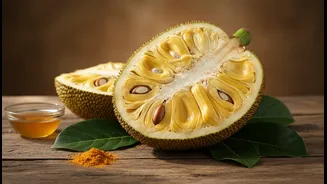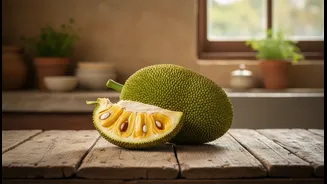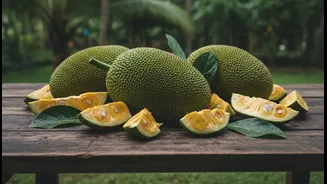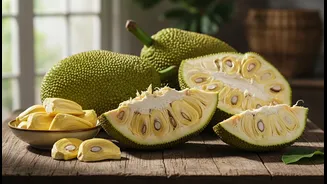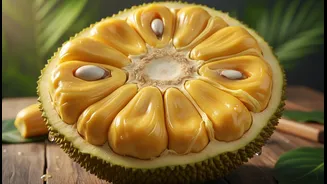



The Return of a Native Superfood
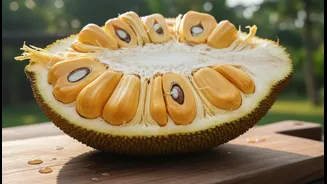
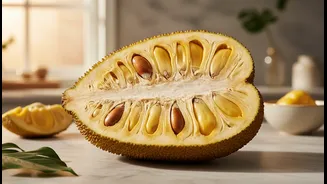
For years, many considered jackfruit a backyard nuisance, with tonnes of it going to waste annually. Now, this humble giant is experiencing a renaissance. A growing interest in plant-based diets, a renewed appreciation for traditional ingredients, and
a deeper understanding of its health benefits are inspiring home cooks to rediscover its potential. The trend is global, with jackfruit gaining fame as a meat substitute in the West, but in India, its comeback is more nuanced. It’s about celebrating a versatile ingredient that has been part of our culinary heritage for centuries. From the coastal kitchens of Kerala and Karnataka to the plains of North India, kathal is being embraced for both its traditional roots and modern adaptability.
A Nutritional Powerhouse
One of the biggest drivers of jackfruit's revival is its impressive nutritional profile. It is packed with essential vitamins like C and A, which boost immunity and support skin health. It's also a great source of potassium, a mineral crucial for regulating blood pressure and supporting heart health. The fruit's high fibre content aids digestion and can help in managing blood sugar levels, making it a smart addition to meals. In fact, studies have noted that jackfruit is digested more slowly than other fruits, preventing rapid spikes in blood sugar. It also contains antioxidants like flavonoids and carotenoids, which help fight inflammation in the body.
More Than Just a Meat Substitute
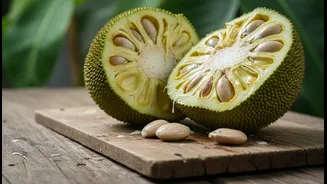
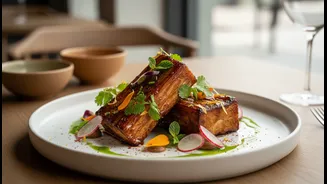
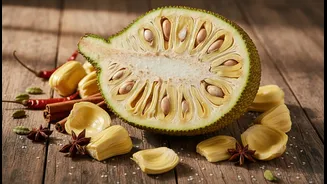
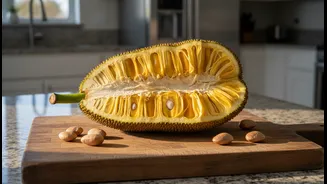
While unripe jackfruit's fibrous, stringy texture makes it an excellent substitute for pulled pork or shredded chicken, its culinary range in India goes far beyond that. When unripe, it has a neutral flavour that allows it to soak up the spices of any dish, making it perfect for savoury preparations. In North India, it stars in Kathal ki Sabzi, a spicy stir-fry, and the celebratory Kathal Biryani. In Bengal, it's fondly called 'gachpatha' (tree goat) and is used to make a mock-mutton curry. Down south, it's used in dishes like Kerala's 'Chakka Veragiyathu' or Karnataka's dry 'Kathal Sukka'. Even the seeds are edible and nutritious, often roasted or added to curries.
Making Friends with Jackfruit
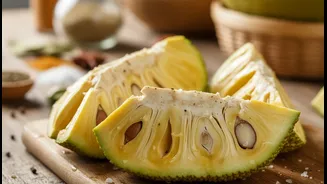
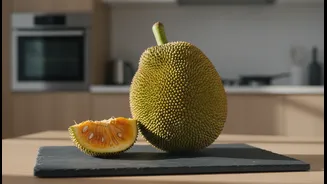
For the uninitiated, a whole jackfruit can be intimidating. It’s large, spiky, and releases a sticky sap when cut. The trick passed down through generations is to apply oil to your hands and knife before you begin chopping. However, its growing popularity means it's now easier than ever to work with. Many vendors sell it pre-cut and cleaned, and canned unripe jackfruit packed in brine or water is readily available in supermarkets. When buying canned, always opt for the one in brine, not syrup, for savoury dishes. Whether you fry it for a crispy texture or pressure cook it for tenderness, preparing jackfruit for a curry or pulao is simpler than it seems.